
Last updated November 24, 2026
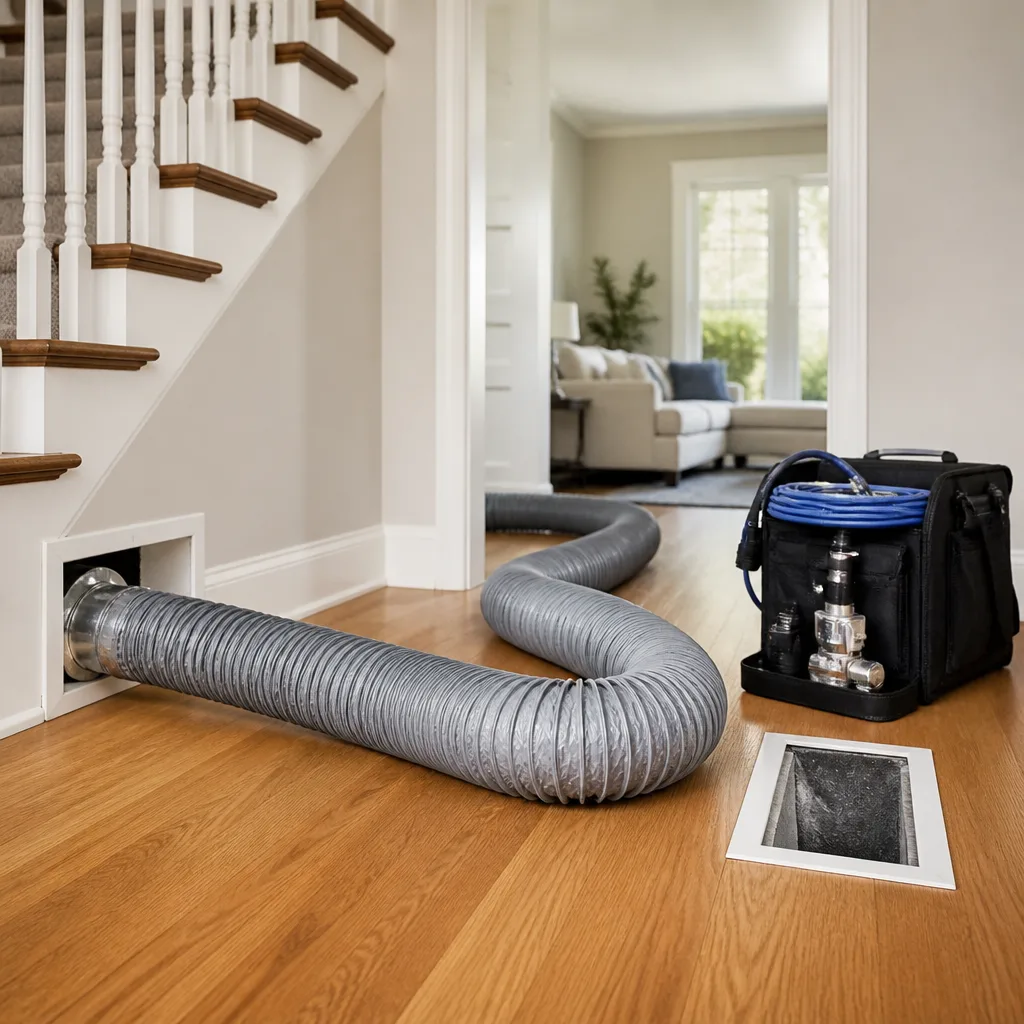 Whole-home duct cleaning
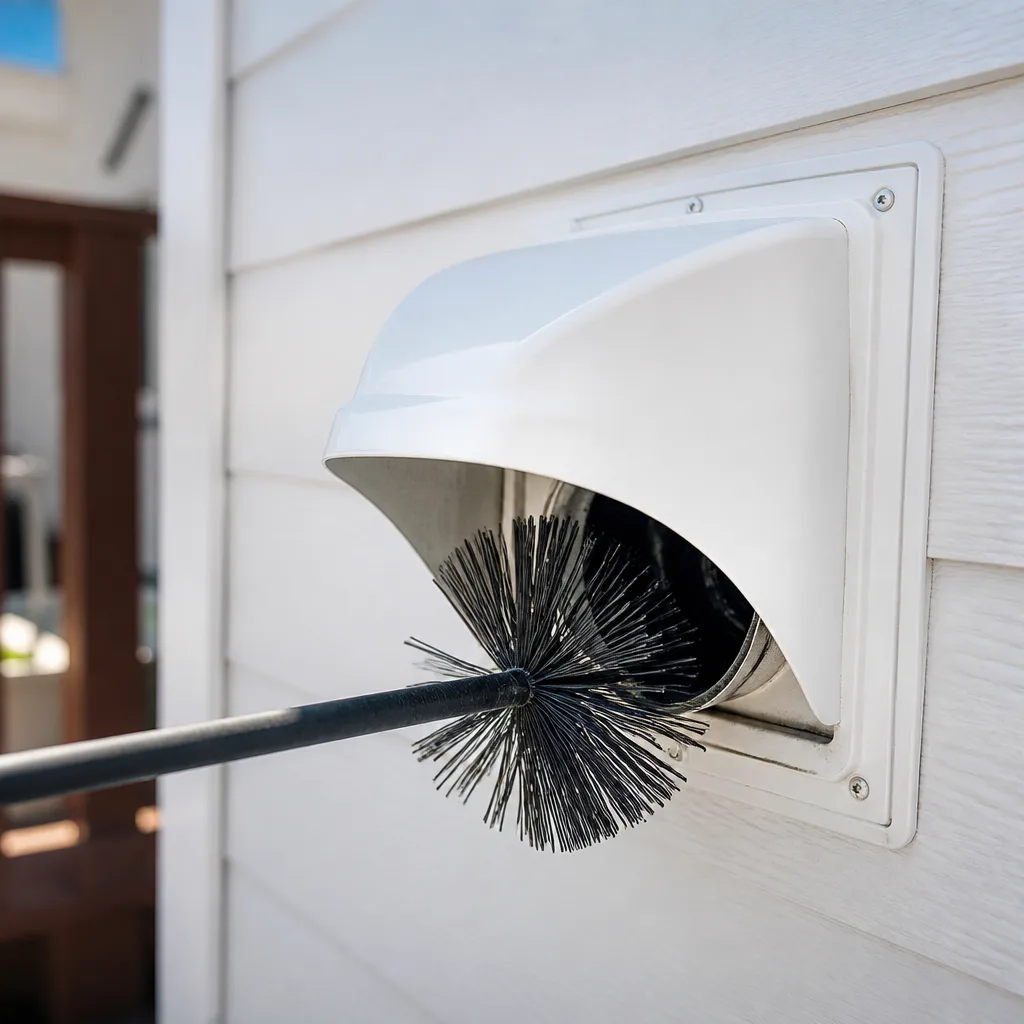 Dryer vent cleaning
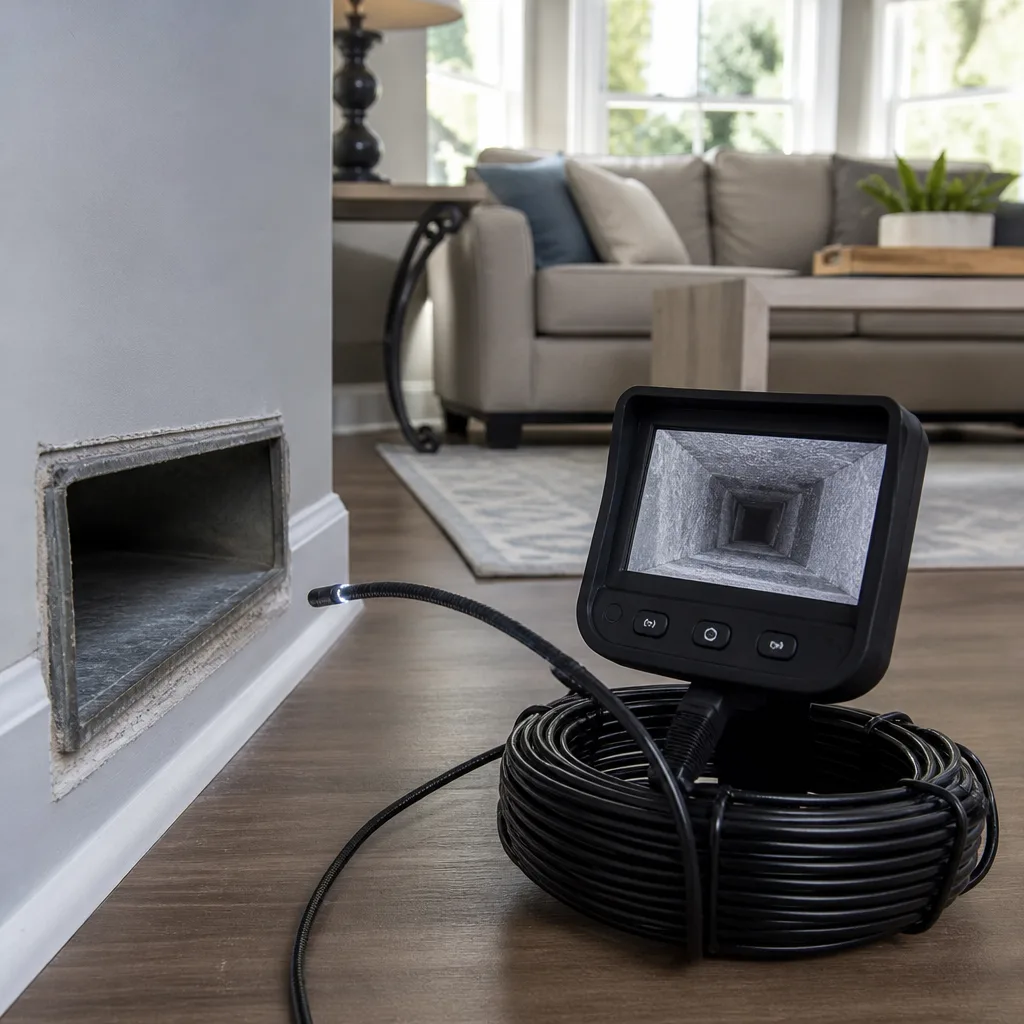 Camera inspection
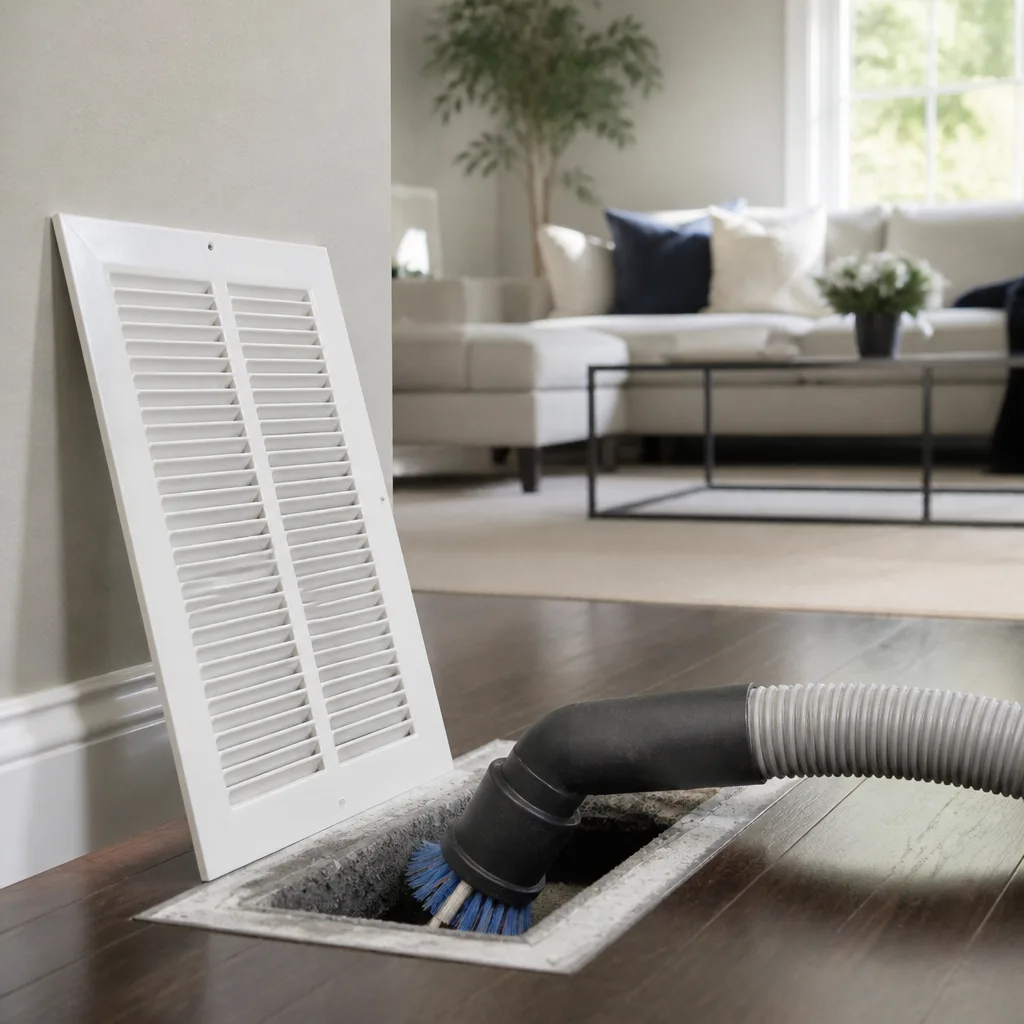 Sanitizing & deodorizing
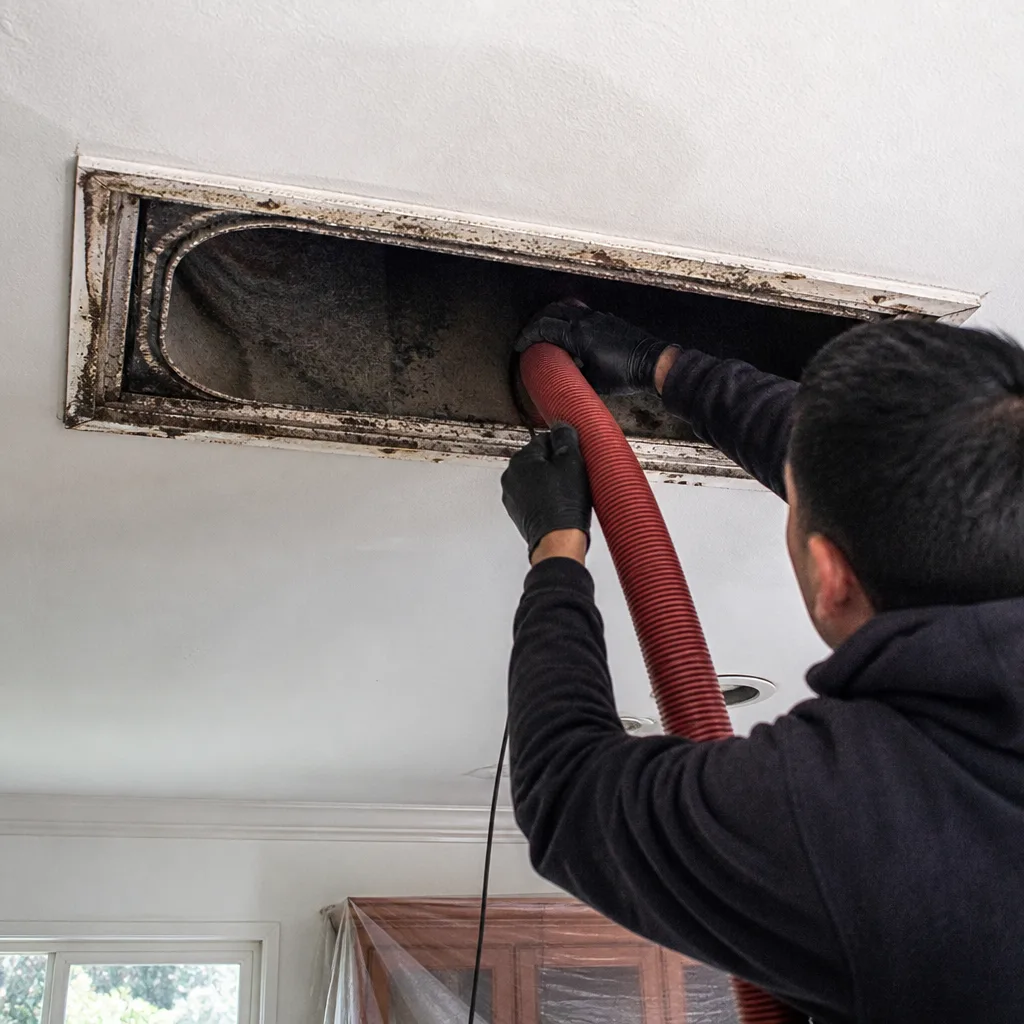
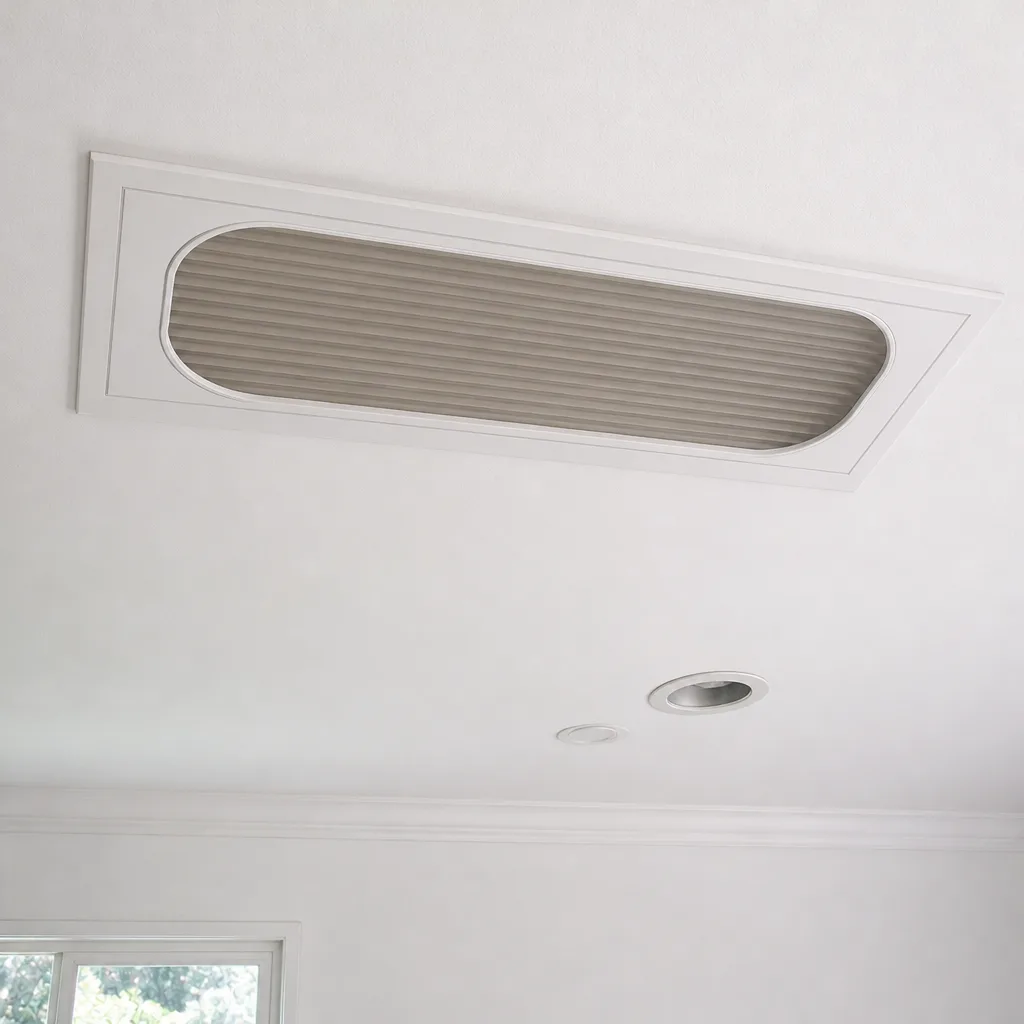
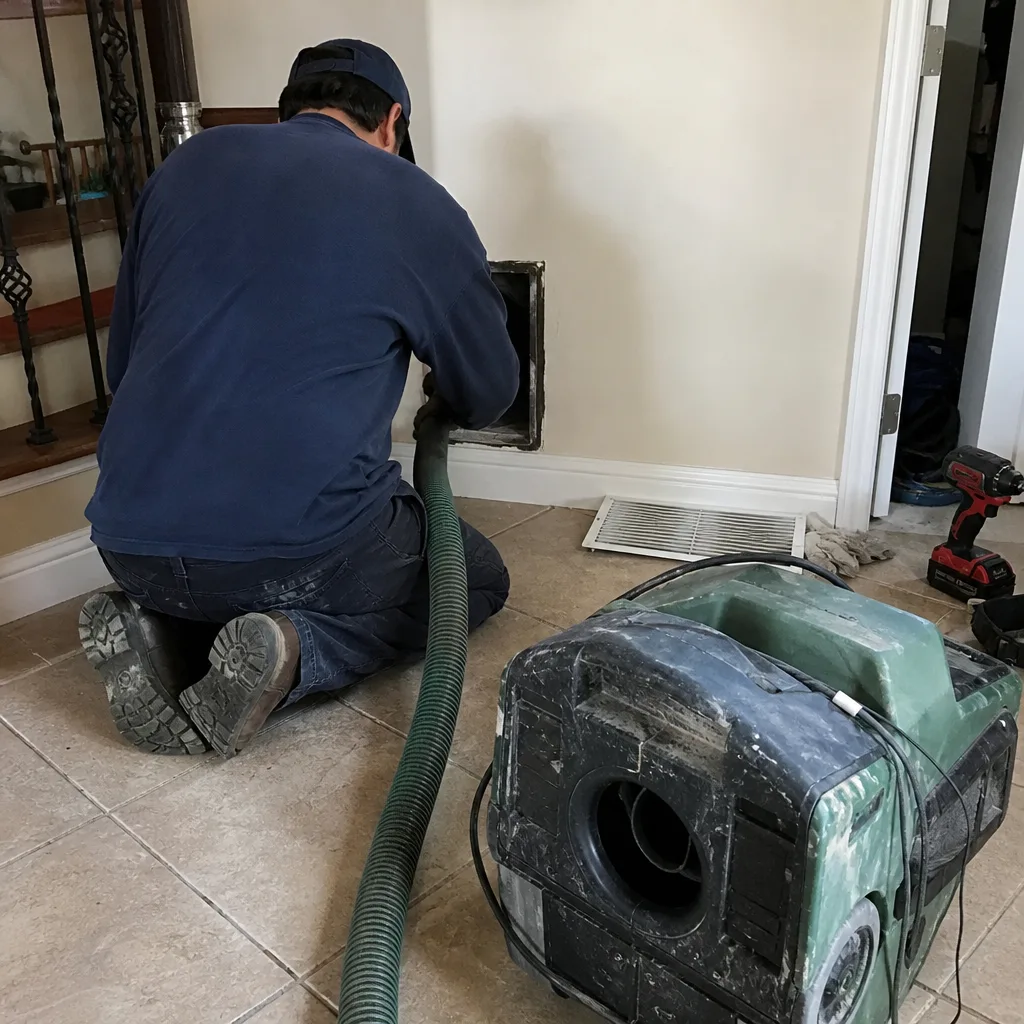
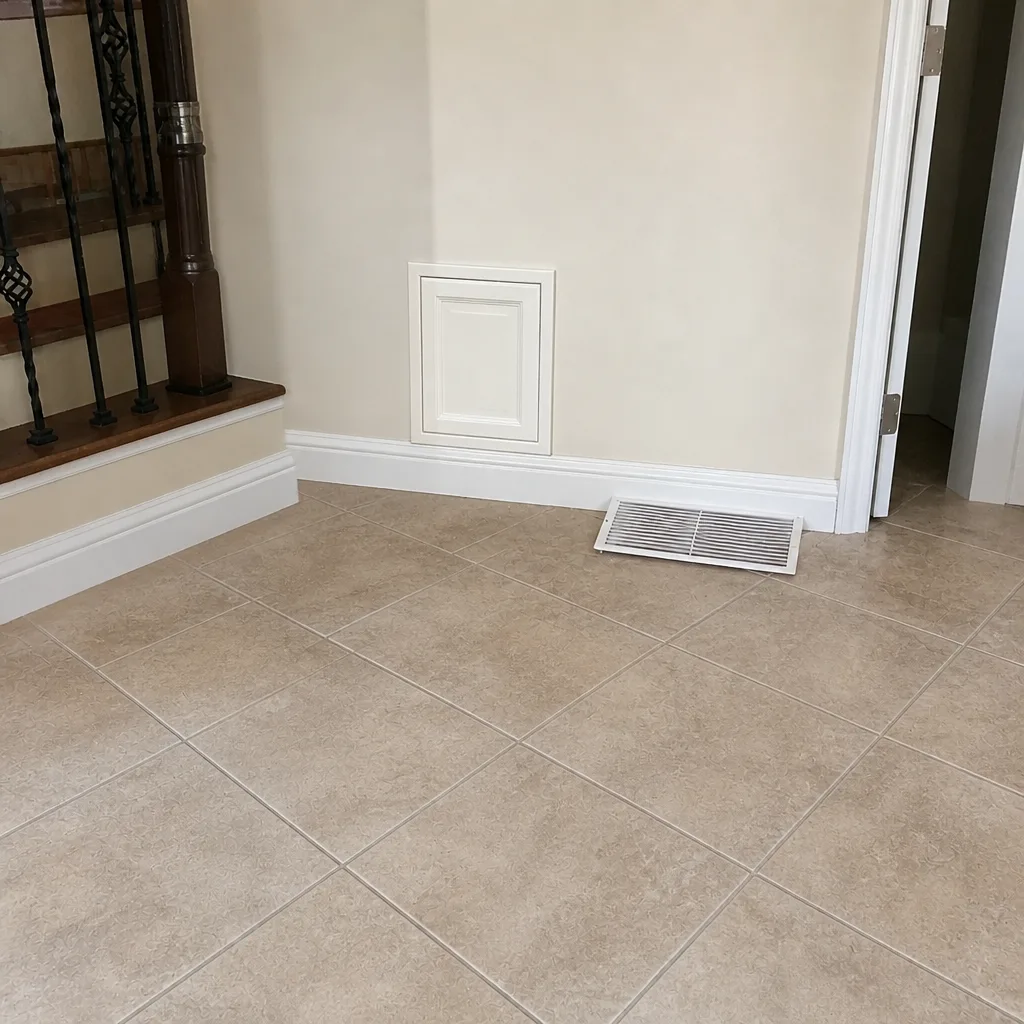
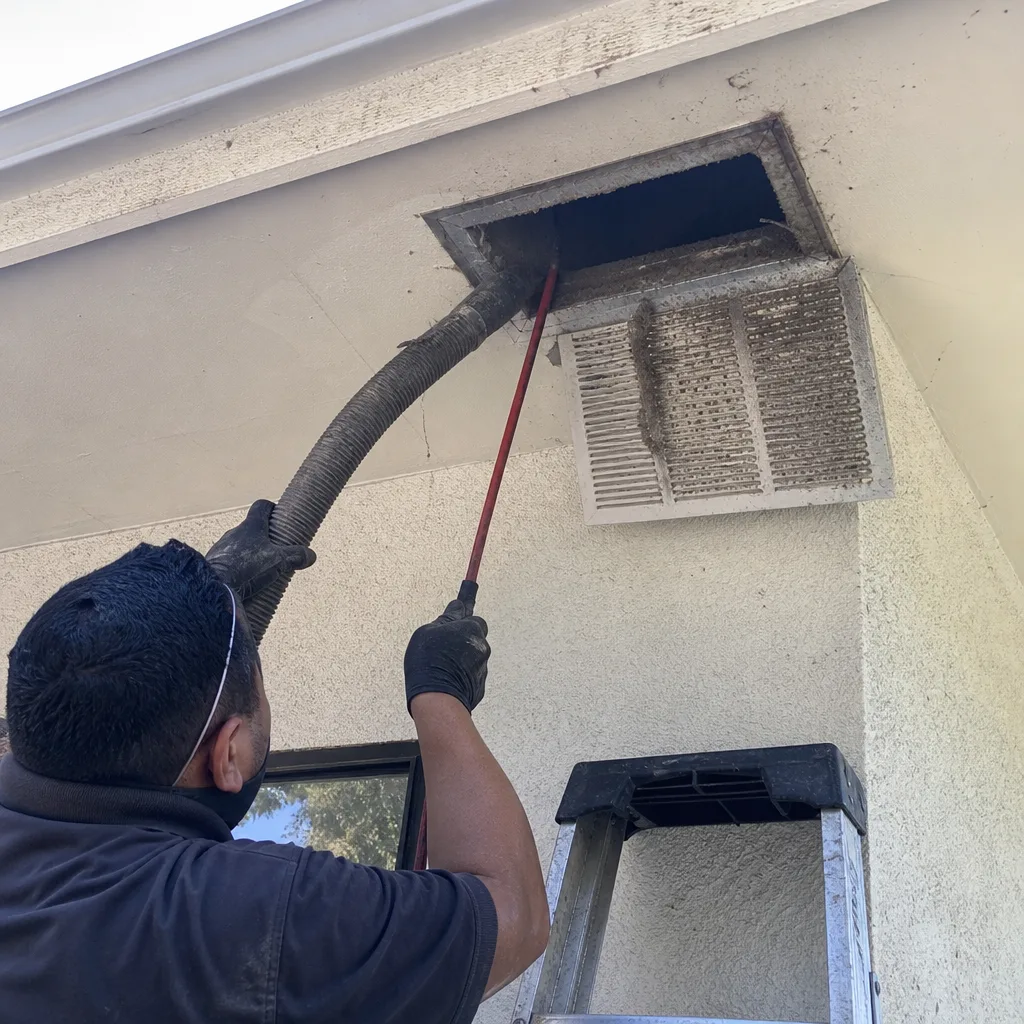
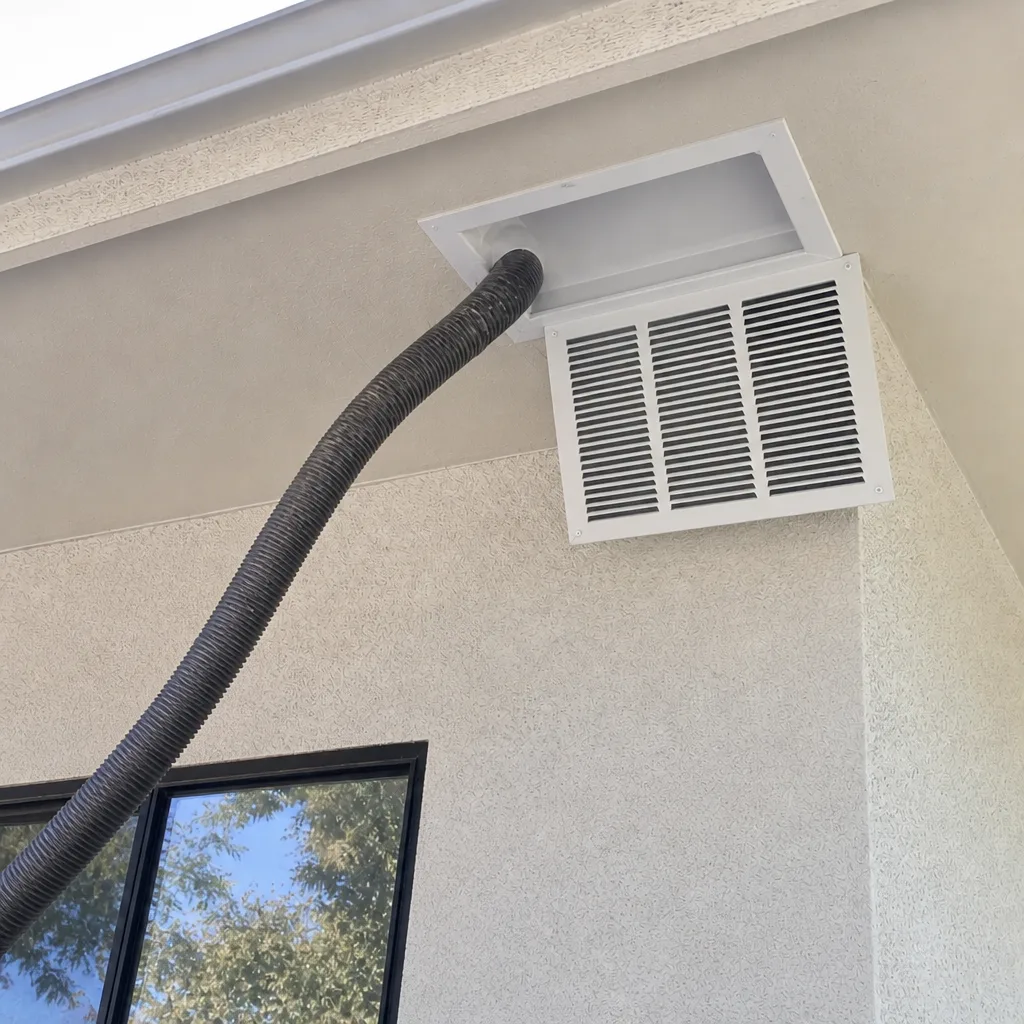
Whole-system duct and dryer vent check with before-and-after photos - you see exactly what came out of your vents
That "$99 whole-house special" is a bait ad - the real number appears once they are in your hallway, or the "clean" is a shop-vac at the register. We photograph the inside of your ducts before and after instead.
DIY vs Professional Air Duct Cleaning: The Turtle Rock Homeowner’s Decision Guide
Nearly every DIY duct cleaning guide you’ll find online recommends a shop vacuum and a brush kit. Here’s the problem with that advice: a residential shop vac generates roughly one-twentieth of the suction force required to hold negative pressure across an entire duct system. That doesn’t mean DIY cleaning is hard. It means the physics don’t work, and most attempts simply push debris from one run of duct into another while redistributing fine particulate into the rooms you breathe in. In this guide, we’ll break down what consumer tools can and cannot do, what Turtle Rock homeowners can legitimately handle themselves, and how to judge whether a professional quote reflects real value or just a bigger vacuum.
Styles & brands we work with
- Whole-home duct cleaning
- Dryer vent cleaning
- Camera inspection
- Sanitizing & deodorizing
Quick Answer
True DIY air duct cleaning is not achievable with consumer equipment because no shop vacuum or brush kit can generate the airflow and negative pressure needed to lift settled debris from a full duct system and contain it. What homeowners can do themselves is filter changes, grille removal and washing, and visual inspection. Everything from the plenum to the branch runs requires truck-mounted or high-capacity professional equipment to clean without spreading contaminants.
Table of Contents
- The Physics of Negative-Pressure Duct Cleaning
- What You Can Legitimately Do Yourself
- How DIY Prep Before a Professional Visit Lowers Your Total Cost
- The Real Risk Profile of Improper DIY Cleaning
- Why Turtle Rock’s Climate and Housing Shape the Answer
- How to Judge Whether a Professional Quote Represents Value
- Common Mistakes to Avoid
- Frequently Asked Questions
The Physics of Negative-Pressure Duct Cleaning
Duct cleaning works on a principle borrowed from industrial contamination control: you establish negative pressure inside the duct system so that loosened debris travels toward the collection point instead of into the living space. That requires two things happening at once – high cubic feet per minute (CFM) airflow to agitate settled dust, and enough static pressure to overcome the resistance of a long, branching duct run.
A typical residential shop vacuum pulls somewhere in the range of 150 to 200 CFM at the hose end, and that figure drops sharply once you attach a length of hose and a brush head. A professional duct cleaning system connected at the main trunk line pulls many times that volume and maintains a seal at the plenum so the whole system is under vacuum while the technician works each branch. Rotobrush and Nikro systems are built for exactly this – the rotary brush agitates material against the duct wall while the vacuum captures it at the source.
What that means practically:
- Consumer vacuums lose most of their suction through the hose, especially over 15 feet.
- Without a sealed connection at the main trunk, the duct system is not under negative pressure at all.
- Agitating dust without containment means it settles somewhere – often into the rooms below.
- Filtration matters as much as suction. Abatement Technologies equipment is designed to capture fine particulates that a shop vac filter releases back into the air.
This is not a matter of technique. It’s a matter of equipment class. That’s the point most DIY guides skip over, and it’s the single most important thing to understand before you decide how to approach your own system in Turtle Rock.
What You Can Legitimately Do Yourself
This is where the DIY decision becomes useful instead of all-or-nothing. A homeowner with basic tools can meaningfully maintain several parts of the air delivery system, and doing so reduces how much work a professional has to perform later.
Filter changes
Replacing the filter on schedule is the highest-return maintenance task in any home. A clogged filter forces the blower to work harder, which raises energy use and reduces airflow to every room. Check the filter’s stated service interval, but inspect it more often during dusty seasons. If you use an Aprilaire or Honeywell filtration cabinet, follow the manufacturer’s guidance for that model rather than a generic rule of thumb.
Grille removal and washing
Supply and return grilles collect dust on the room-facing side and are easy to remove with a screwdriver. Wash them in a sink or outside with a hose, let them dry fully, and reinstall. This won’t clean the duct behind the grille, but it removes a visible dust reservoir and gives you a look into the first section of the run.
Visual inspection
A smartphone camera on a short extension lets you look a few feet into a return duct. You’re checking for visible debris buildup, pest evidence, moisture staining, or disconnected joints. Write down what you see. A clear description of what you noticed helps a technician focus the visit and often shortens the time on site.
What stays out of reach
- The main trunk line and plenum, which need a sealed vacuum connection.
- Long branch runs where debris has settled beyond the first few feet.
- The interior surfaces of flex duct, which are fragile and easy to damage.
- The HVAC unit itself, which involves components most homeowners shouldn’t open.
If you’ve done the three items above, you’ve handled the legitimate DIY share of the job. Clean air starts at the source, and that source lives inside the sealed system.
How DIY Prep Before a Professional Visit Lowers Your Total Cost
Preparation is the one place where DIY effort clearly translates into a lower total bill. A job that starts with clear access and known problem areas takes less time, and time is the main driver of a whole-system estimate. Here’s how to prep in a way that actually helps.
- Clear access to the main trunk and air handler. Move stored boxes, furniture, and anything blocking the panels a technician will need to reach. Make sure the path to the HVAC unit is open.
- Note every register location on paper. Count supply and return vents room by room. A complete count prevents a technician from having to search, and it lets you compare quotes on equal terms.
- Remove and wash the grilles yourself. This is genuinely faster for you than for anyone else, and it saves a small amount of labor on site.
- Replace the filter before the visit, not after. A fresh filter catches what the cleaning kicks loose during the final pass. If you run a Honeywell or Aprilaire cabinet, have the right replacement on hand.
- Document smells, dust patterns, and symptoms. Write down which rooms get dusty fastest, whether you notice a musty odor when the system starts, and how often you’ve had to change the filter early. That information directs the inspection.
- Clear the dryer vent area. If you’re adding dryer vent cleaning to the visit, pull the dryer out a few inches and clear lint from behind it.
None of this replaces professional cleaning. What it does is shorten the job and narrow the scope, which is how preparation turns into a lower written estimate for a Turtle Rock home.
The Real Risk Profile of Improper DIY Cleaning
The downside of a failed DIY attempt isn’t wasted effort. It’s damage that costs more to fix than the cleaning would have. In our experience, these are the three risks that show up most often.
Flex duct puncture
Much of the ductwork in residential systems is flexible duct with a thin inner liner and a layer of insulation around it. A brush run too aggressively or a tool pushed past a bend can tear the inner liner or pierce the outer jacket. Once that happens, the duct leaks conditioned air into a wall cavity or attic space, which shows up on your energy bill before it shows up anywhere else.
Disturbed insulation fibers
Duct board and interior insulation can be friable when disturbed. Improper cleaning can break fibers loose, and without proper containment those fibers end up in the airstream. This is exactly the scenario professional filtration equipment is designed to prevent.
Mold aerosolization
If there’s existing mold growth inside a duct, agitating it with a shop vac turns a contained problem into airborne spores distributed through every room. Rotobrush and Abatement Technologies systems are set up so that material is captured rather than released. That’s the difference between removing a contaminant and spreading it.
There’s also a fourth category: undetected problems. A homeowner cleaning with a shop vac won’t identify a disconnected joint, a crushed flex run, or a leaking duct that’s been quietly raising the energy bill. Duct repair and sealing is part of a complete job, and finding those issues is worth more than the cleaning itself in some homes.
Why Turtle Rock’s Climate and Housing Shape the Answer
Turtle Rock sits in one of Southern California’s mild-winter, warm-summer microclimates, and that pattern shapes how duct systems behave in the neighborhood. Because winters are mild, the HVAC system runs in cooling mode for a larger share of the year than in colder parts of the country. Cooling cycles move more air than heating cycles, and more moving air means more dust and particulate carried through the system and deposited on duct surfaces over time.
Housing stock matters too. Many homes in and around Turtle Rock were built with systems that have since been modified, extended, or added onto. Each addition means more joints, more junctions, and more places where a small leak can develop. When ducts leak, the system pulls unconditioned air from wall cavities and crawl spaces – air that carries dust, insulation particles, and whatever else accumulates in those spaces.
The practical takeaway for Turtle Rock homeowners: the answer to the DIY question isn’t just about suction. It’s about how much of your system is out of sight, how many joints could be leaking, and how much air has moved through it since the last cleaning. In a cooling-dominant climate, that volume adds up faster than most people expect. If you’d like a look at the full scope of what professional air duct cleaning covers in a home like yours, start there before deciding.
How to Judge Whether a Professional Quote Represents Value
A quote isn’t just a price. It’s a description of scope, and a low number that covers only the trunk line isn’t comparable to a higher number that covers the entire system, seals what’s found, and cleans the HVAC unit. Here’s how to read one.
- Is the price per system or per vent? Per-vent pricing leads to surprises. A whole-system flat price agreed before work begins tells you what the job costs before anyone touches a tool.
- Does the scope include the air handler and HVAC unit? Cleaning ducts without cleaning the coil and cabinet leaves the largest debris reservoir untouched. We handle HVAC cleaning as part of a full job for that reason.
- What equipment is on site? Ask specifically. Rotobrush or Nikro systems, Abatement Technologies filtration, and proper containment tell you the job is being done to a standard rather than improvised.
- Will you see before-and-after photos? You should. Photos of your own ducts are the clearest evidence of what was actually removed.
- Does the scope include sealing? We seal what we find. Duct repair and sealing closes the leaks that let debris back in, which is what makes the cleaning last.
- Is the estimate written and free? A written estimate is the final word on price. If a quote is verbal only, ask for it in writing.
When you compare quotes, compare them on those six points. A quote that covers more of the system with documented equipment is usually the better value even when the number is higher.
Common Mistakes to Avoid
- Buying a brush kit and running it deep into flex duct. The inner liner of flex duct tears easily, and a torn liner leaks conditioned air into the attic or wall cavity. If a duct is flexible, leave the interior work to someone who can see what the brush is doing.
- Using a shop vac at a single register and calling it done. A shop vac at one vent creates no system-wide pressure. It moves dust a few feet and pulls more debris toward the register, which is the opposite of cleaning.
- Skipping grille washing because a professional is coming. Grilles are the visible half of the dust problem, and washing them yourself takes minutes. There’s no reason to pay someone to do it.
- Assuming a musty smell is just the house. A musty odor on startup usually points to moisture inside the system or a filtration problem. Cleaning a smelly system without finding the moisture source leaves the cause in place.
- Choosing a quote on price alone without asking about scope. A cheap quote that covers only the trunk line isn’t a bargain. Ask what’s included and compare on that basis.
- Forgetting the dryer vent. Lint accumulation in a dryer vent is a fire risk cited by the NFPA, and it’s separate from the HVAC ducts. If you’re booking a duct visit in Turtle Rock, add dryer vent cleaning and have both handled in one visit.
- Changing the filter after the cleaning instead of before. A loading filter during the final pass means the system pushes against resistance and loose material lingers. Put a new filter in first.
When to Call a Professional
Call a professional when you notice any of the following: visible dust blowing from registers right after a filter change, a musty or stale smell when the system starts, dust streaks on ceilings or walls near vents, inconsistent airflow between rooms, or a home that’s recently had renovation work that generated fine dust. Call if you’ve never had the system cleaned and you don’t know its history. Call if anyone in the household deals with allergies or asthma, since fine particulate is the part that matters most. If your dryer takes two cycles to dry a load, that’s a dryer vent call on its own.
Air Duct Cleaning Turtle Rock offers free estimates in Turtle Rock – call (833) 700-4234. We answer 24/7. Fast dispatch from 7am to 7pm, Sunday through Friday. Our technicians have up to 11 years of experience, and we use professional-grade Rotobrush systems on every job.
Frequently Asked Questions
No, not the full system. Consumer equipment can’t generate the negative pressure needed to remove settled debris across a whole duct system, so a shop vac moves dust rather than extracting it. You can change filters, wash grilles, and inspect visually, which is genuinely useful. Everything past that first section requires professional equipment. Call (833) 700-4234 for a free estimate – we’ll tell you what your system actually needs.
Every job is quoted per system based on the size of the home, the number of runs, and what the inspection finds – call (833) 700-4234 for an exact quote, free of charge. We don’t quote per vent, because per-vent pricing is what leads to surprise invoices on site. The written estimate is the final price, agreed before any work begins.
Cheap quotes usually cover less – often just one trunk line, with the branch runs and the HVAC cabinet left untouched. They may also skip containment and filtration equipment entirely, which means the job looks finished without being finished. Compare quotes on scope, not on the headline number. Call (833) 700-4234 and we’ll walk you through exactly what a full-system job includes.
Ask for before-and-after photos of your own ducts. That’s the clearest record of what came out of the system. A crew that can’t show you the evidence shouldn’t be doing the job. Call (833) 700-4234 for a free estimate and a look at what the process involves in your home.
Most homes go several years between cleanings, and many never need one if the filter is maintained and no contamination source exists. Homes with pets, recent renovations, allergy sufferers, or a history of moisture problems benefit from more frequent attention. Check filters regularly and watch for the symptoms above. Call (833) 700-4234 if you’re unsure where your system stands.
Yes, and for a specific reason – cooling-dominant systems move a lot of air through the year, which carries more particulate into the ducts over time. Many Turtle Rock homes also have older duct systems with modified or extended runs, which means more joints that can leak. Cleaning, sealing, and checking the HVAC unit addresses the whole pathway rather than one part of it. Call (833) 700-4234 for a free estimate.
The Bottom Line
The DIY versus professional question for duct cleaning comes down to equipment physics, not skill level. A shop vac can’t hold negative pressure across a duct system, so a DIY attempt redistributes dust instead of removing it. What you can do is wash grilles, change filters on schedule, and inspect visually – and those tasks genuinely help. What you can’t do is clean the system itself. For anything beyond that, the value of a quote comes down to scope: whole-system pricing agreed up front, professional equipment like Rotobrush and Abatement Technologies on site, sealing included, and before-and-after photos at the end. That’s the standard worth paying for in Turtle Rock, and that’s how you tell a real value quote from a low number that covers half a job.
Call (833) 700-4234 for a free estimate. We answer 24/7. Fast dispatch from 7am to 7pm, Sunday through Friday. For an overview of everything we do, start with Air Duct Cleaning Turtle Rock.
Written by the team at Air Duct Cleaning Turtle Rock.
See the difference
 Before
 After
 Before
 After
 Before
 After