
Last updated November 24, 2026
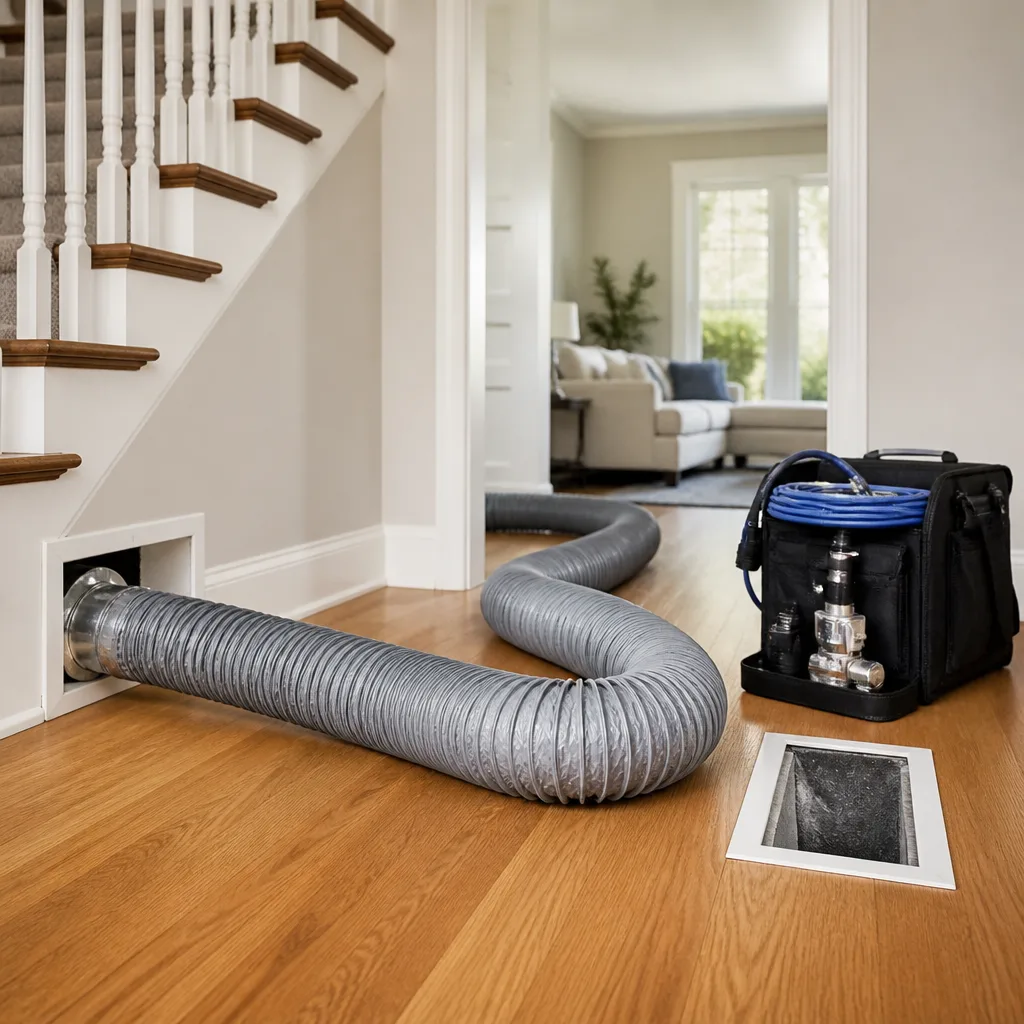 Whole-home duct cleaning
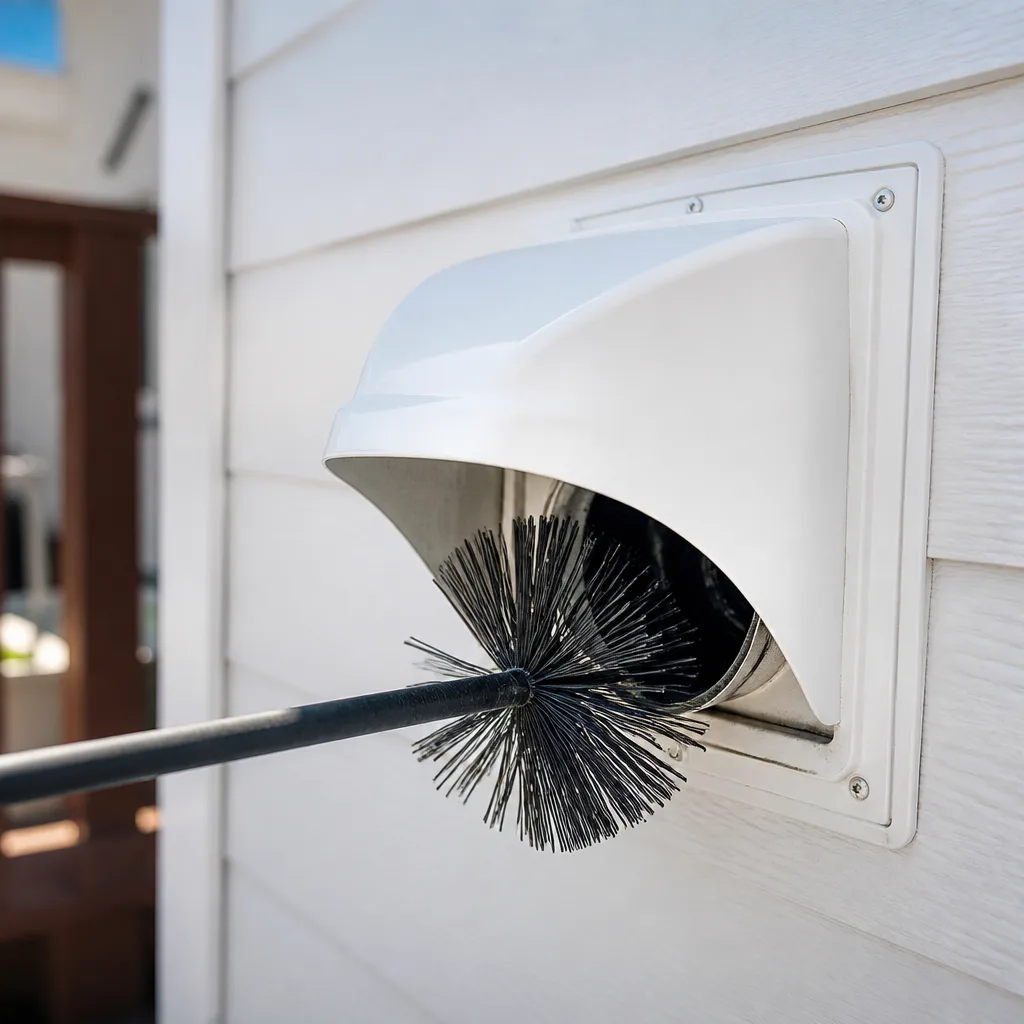 Dryer vent cleaning
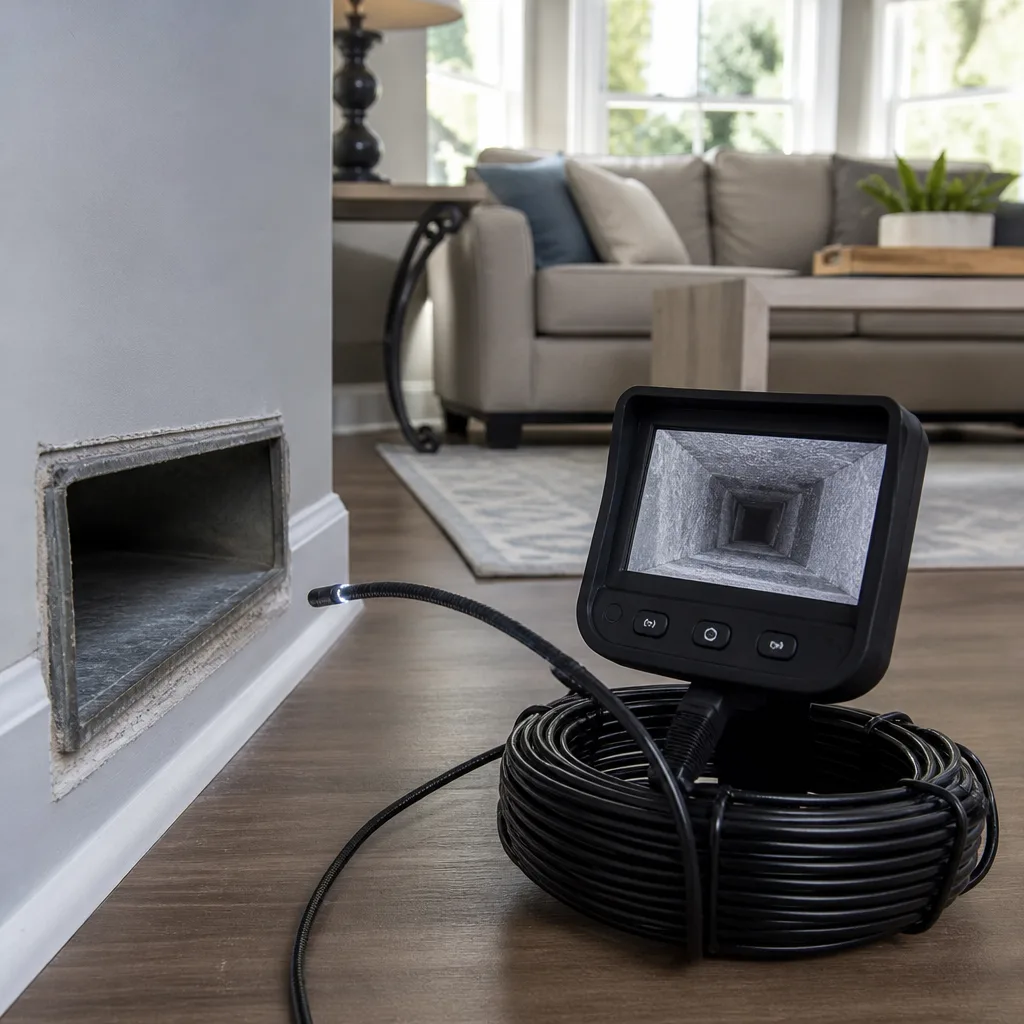 Camera inspection
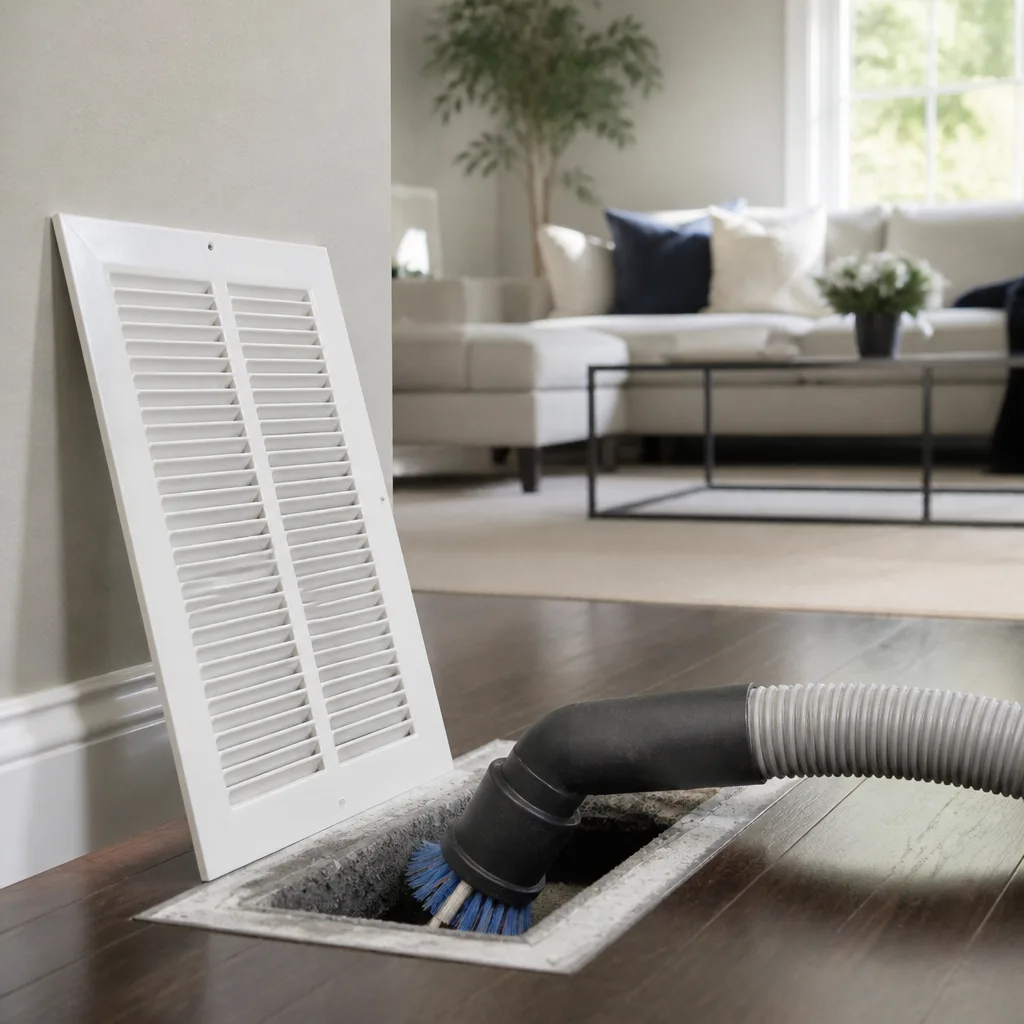 Sanitizing & deodorizing
Whole-system duct and dryer vent check with before-and-after photos - you see exactly what came out of your vents
That "$99 whole-house special" is a bait ad - the real number appears once they are in your hallway, or the "clean" is a shop-vac at the register. We photograph the inside of your ducts before and after instead.
How to Hire an Air Duct Cleaning Contractor in Turtle Rock: A Step-by-Step Guide
California does not require a specific state license to perform air duct cleaning. That single fact changes everything about how you hire. The company offering a bargain headline price and the full-system professional can look identical on a search results page, because there’s no license number separating them. The difference shows up only after they’re in your home, which is why the vetting has to happen before you book. This guide gives Turtle Rock homeowners a concrete framework: the exact questions to ask, how to read a quote, and what a competent contractor’s process actually looks like from the driveway to the last register.
Quick Answer
To hire an air duct cleaning contractor in Turtle Rock, verify what equipment they use, how they contain dust during the job, and what documentation they provide afterward, because California has no specific license for this trade and no state credential will sort out the difference for you. Ask about negative-pressure setup, access-point method, and post-job photo documentation before you compare prices. The contractor who can explain all three clearly is the one worth booking.
Styles & brands we work with
- Whole-home duct cleaning
- Dryer vent cleaning
- Camera inspection
- Sanitizing & deodorizing
Table of Contents
- Why There’s No License to Check in California
- The Questions to Ask Before You Book
- What Negative-Pressure Setup Actually Means
- How to Verify NADCA Membership
- Why a Site Visit Before Quoting Is a Good Sign
- Contract Language Red Flags
- How to Compare Quotes Apples-to-Apples
- Common Mistakes to Avoid
- When to Call a Professional
- Frequently Asked Questions
Why There’s No License to Check in California
Air duct cleaning is not a licensed trade in California. There is no state-issued credential specific to the work, no exam covering duct cleaning, and no registry you can search to confirm a company is qualified. That’s the whole problem in one sentence: the credential-verification step that protects you in electrical or plumbing work simply doesn’t exist here.
What does exist are adjacent credentials. A company that also performs HVAC work may hold a contractor license for that scope. A company doing dryer vent work may carry a business license from the city. These tell you something, but they don’t tell you the company cleans ducts properly. That’s why the vetting falls on you, and why the questions in the next section matter more than any certificate.
In Turtle Rock, this plays out in a specific way. The neighborhood has a mix of older homes and newer construction, and duct systems from different eras need different handling. A 1970s-era flex duct system and a newer rigid metal trunk system require different equipment settings, different access points, and different expectations about what can be cleaned versus what needs repair. A contractor who shows up with a shop vacuum and a brush on a drill can’t tell the difference. A contractor running professional-grade equipment like Rotobrush or Nikro can.
That’s the standard to hold every company to. Not a license number. A process you can explain back to them.
The Questions to Ask Before You Book
Ask these questions on the phone, before anyone comes out. A competent contractor answers them without hesitating. A company that dodges them or pivots to price is telling you something useful.
- What equipment do you use? Listen for named professional systems. Rotobrush and Nikro are contractor-grade duct cleaning platforms, not consumer vacuums. If the answer is vague (“a big vacuum”), ask for specifics.
- How do you create negative pressure? This is the core of dust containment. The answer should describe a vacuum connected to the system that keeps the ducts under negative pressure while agitation happens inside, so loosened debris moves toward the collection unit rather than into your rooms.
- Where do you access the ducts? Every register, or just the main trunk? Access points determine whether the branches actually get cleaned.
- How do you protect the home during the job? Floor coverings, corner guards, sealing of registers not being worked on. Ask what they bring.
- What documentation do you provide after? Before-and-after photos of your own ducts is the standard worth expecting. Ask to see an example.
- What’s included in the price, and what isn’t? A full scope in writing, not a headline number.
- Do you do duct repair and sealing? If they find disconnected joints or torn flex duct, can they fix it or will they hand you off to someone else?
Ask these of every company you consider, including us. When you’re comparing air duct cleaning options in Turtle Rock, the answers separate the field quickly.
What Negative-Pressure Setup Actually Means
Negative pressure is the difference between cleaning ducts and redistributing dust through your house. Here’s how it works in practice, without the sales language.
The contractor connects a high-volume vacuum to the duct system, usually at the main trunk or at a dedicated access cut. That vacuum pulls air out of the ducts, which means the system is at lower pressure than the rooms around it. When the technician agitates debris inside the ducts with a rotary brush or air whip, that debris gets pulled toward the vacuum rather than escaping through register grilles into your living room.
Two things determine whether this actually works:
- The vacuum’s capacity. A shop vacuum doesn’t move enough air volume to maintain negative pressure across a whole residential system. Contractor-grade units like those from Abatement Technologies are built for this.
- The seal. Every register not being actively worked on should be sealed, and the vacuum connection has to be airtight. Gaps in the setup leak pressure, and the whole containment strategy fails.
Ask the contractor to describe their setup. If they can explain it in plain terms, they understand it. If they can’t, they’re running a process they don’t control.
How to Verify NADCA Membership
NADCA, the National Air Duct Cleaners Association, publishes an assessment, cleaning, and restoration standard that has become the reference point for how this work should be done. Membership is voluntary. It is not a license, and it doesn’t replace the questions above. But it does signal something.
What NADCA membership obligates a contractor to do, in general terms:
- Follow a documented cleaning process based on the association’s standard rather than a proprietary shortcut.
- Clean the entire system, including components like the blower and coils, not just the visible duct runs.
- Provide documentation of the work performed.
- Adhere to a code of ethics around pricing and representation.
To verify, use the association’s own member directory rather than taking a logo on a website at face value. Any company can put a badge on a page. The directory confirms whether the membership is current. If a contractor claims membership and isn’t listed, that’s a red flag worth weighing against everything else they’ve told you.
In Turtle Rock, where homes often sit near mature trees and open space, duct systems collect more airborne particulate than a comparable home in a denser urban grid. A contractor operating under a documented standard is more likely to clean the whole system rather than the easy sections.
Why a Site Visit Before Quoting Is a Good Sign
A company that wants to see your system before quoting is doing it right. A company that quotes a firm price over the phone without asking anything about your home is guessing, and the guess tends to get corrected upward once they’re on site.
What a proper pre-quote assessment covers:
- System size and layout. How many registers, how many returns, how the trunk lines run.
- Duct material and condition. Rigid metal, flex duct, or a mix. Visible damage, disconnected joints, crushed sections.
- Access. Where the ducts can be reached, and whether new access points are needed.
- Related components. The air handler, coils, and filter setup, since debris downstream of a dirty coil returns quickly.
- Adjacent services. Whether the dryer vent or HVAC unit needs attention as part of the same visit.
This is a diagnostic step, not a sales tactic. A contractor who skips it is either inexperienced or planning to quote low and adjust later. Either way, you lose. Ask for the assessment. If they can’t do one, keep calling. This is exactly the kind of detailed, in-home evaluation we provide when you call for air duct cleaning, and it’s a fair expectation of any company you hire.
Contract Language Red Flags
Read the quote before you sign it. Most of the problems in this industry live in the fine print, not the headline price.
“Whole house” pricing with no scope definition. If the contract says “whole house duct cleaning” and nothing else, it doesn’t tell you what’s actually being cleaned. How many registers? Are the returns included? Is the air handler included? Insist on a line-item scope.
Waived liability for existing ductwork damage. Some contracts include language releasing the contractor from responsibility for damage to ducts that were already compromised. Some version of this is reasonable, since old flex duct can be fragile. But the language should be specific, not a blanket waiver covering anything they break. Read it and push back if it’s too broad.
No documentation clause. If the contract doesn’t commit to providing before-and-after photos or a written summary of work performed, you have no way to confirm what happened. Add it or move on.
Bundled services with no itemized price. When duct cleaning, dryer vent cleaning, and sanitizing get bundled into one number, you can’t evaluate any of them. Ask for each service priced separately so you can decide what you actually need.
Pressure to sign before leaving. A contract presented as a take-it-or-leave-it on the spot, with no time to read it, is a signal. A professional company gives you the quote in writing and waits for your call.
How to Compare Quotes Apples-to-Apples
Headline price tells you almost nothing when the scopes are different. Two quotes for “duct cleaning” can cover wildly different amounts of work. Use a scope-of-work checklist instead.
- Number of registers and returns cleaned. Count them yourself. The quote should match.
- Air handler and blower included? Yes or no, in writing.
- Coils included? Evaporator coil cleaning is a separate scope in some quotes.
- Equipment named. The specific system, not a generic description.
- Containment method described. Negative pressure setup, floor protection, register sealing.
- Post-job documentation. Photos, written summary, or both.
- Duct repair and sealing included or quoted separately? If found during the job, what happens?
- Sanitizing included or add-on? If you have allergy concerns, this matters. We integrate Honeywell and Aprilaire air quality solutions when sanitizing or filtration work is part of the job, and we quote it as a separate line.
Lay the quotes side by side. The one that covers the most scope for a similar price is usually the better deal, even when it isn’t the lowest number. A quote that’s half the cost and covers half the system isn’t a bargain.
Common Mistakes to Avoid
- Hiring on price alone. The lowest quote is often the thinnest scope. Compare what’s included, not just the total. In a market with no trade licensing, the price is the only variable some companies compete on, and they cut scope to get there.
- Not asking about negative pressure. A contractor who can’t describe their containment setup is likely to leave dust in your home. Ask the question and listen for a specific answer.
- Skipping the pre-quote assessment. A phone quote with no questions about your system is a guess. Insist on an assessment.
- Accepting “whole house” pricing without a scope. Get the register count, the inclusions, and the exclusions in writing before you sign.
- Ignoring the dryer vent. Lint accumulation in dryer vents is a fire risk the National Fire Protection Association has documented for years, and it’s frequently overlooked during a duct cleaning visit. Ask whether the dryer vent can be cleaned in the same appointment.
- Not asking for photos afterward. Without documentation, you can’t confirm the work was done. Ask what they provide, and check that you receive it.
- Hiring a company that can’t handle related work. If your ducts need sealing or your HVAC unit needs cleaning, a company limited to one task will leave you coordinating multiple contractors. In Turtle Rock, where many homes have duct systems that have never been sealed, this matters.
When to Call a Professional
Most homes don’t need duct cleaning on a schedule. They need it when something signals the system has a problem. Call a professional when you notice visible dust blowing from registers shortly after cleaning them, musty odors that persist when the system runs, dust buildup on surfaces that returns within days, or a noticeable rise in energy bills without a change in usage. Call if anyone in the home has allergy or respiratory symptoms that worsen indoors. Call if your dryer takes longer than it used to, which can indicate lint accumulation in the vent. And call if you’ve recently renovated, because construction dust migrates into ducts. Air Duct Cleaning Turtle Rock offers free estimates in Turtle Rock. Call (833) 700-4234. We answer 24/7. Fast dispatch from 7am to 7pm, Sunday through Friday.
Frequently Asked Questions
Ask about equipment, negative-pressure setup, access points, containment, and post-job documentation before you compare prices, because California has no specific license for this trade. Verify NADCA membership through the association’s own directory, request a pre-quote assessment, and compare quotes using a written scope of work rather than the headline number. Call (833) 700-4234 for an exact quote, estimates are free.
No. California does not issue a specific license for air duct cleaning, which means the vetting process falls on the homeowner. Adjacent credentials like an HVAC contractor license or a city business license tell you something about the company, but they don’t confirm the duct cleaning is done properly. Ask about equipment and process instead.
We price per job from a written estimate after assessing the system, not from a per-vent rate or a coupon headline. The variables that move the number are the number of registers and returns, the condition of the duct material, whether the air handler and coils are included, and whether duct repair or sealing is needed. Some companies advertise a low starting figure and then add charges on site for access or scope; we give you one flat price per system, agreed before any work starts. Call (833) 700-4234 for an exact quote, estimates are free.
Cheap quotes usually cover less work: fewer registers, no air handler cleaning, no containment setup, and no documentation. In a market with no licensing requirement, price is the only lever some companies compete on, and they cut scope to hit a number. Ask each company what’s included in writing before you decide the cheaper quote is actually cheaper. Call (833) 700-4234 for an exact quote, estimates are free.
Ask for before-and-after photos of your own ducts and a written summary of what was cleaned. A contractor running a proper negative-pressure setup will have both. If a company can’t or won’t provide documentation, treat that as a signal. We provide photos as part of every job and use professional-grade Rotobrush and Nikro equipment so you can see what was removed. Call (833) 700-4234 for an exact quote, estimates are free.
There’s no universal schedule. Most homes don’t need it on a fixed interval, and the right answer depends on visible dust, odors, allergy symptoms, recent renovation, and the condition of the duct system itself. A contractor who quotes a strict annual schedule without assessing your system is selling maintenance, not diagnosing a need. Ask for the assessment first. Call (833) 700-4234 for an exact quote, estimates are free.
The Bottom Line
Hiring an air duct cleaning contractor in Turtle Rock comes down to three things: what equipment they run, how they contain dust, and what they document afterward. California doesn’t license this trade, so no credential will do the vetting for you. Ask the questions, insist on a pre-quote assessment, read the contract, and compare quotes by scope rather than price. The company that can explain its negative-pressure setup in plain terms is the one worth booking. The one that can’t is the one to pass on. If you want a straightforward assessment of your system, built around a full-system approach that covers ducts, dryer vents, HVAC units, duct repair and sealing, and air sanitizing, that’s what we do. When you’re ready to compare HVAC cleaning or dryer vent cleaning alongside duct work, or just want a clear answer on what your system needs, call (833) 700-4234 for a free estimate. We answer 24/7. Fast dispatch from 7am to 7pm, Sunday through Friday. Our technicians have up to 11 years of experience, and they’ll walk you through the process before any work starts. For a broader look at what we do, visit Air Duct Cleaning Turtle Rock.
Written by the team at Air Duct Cleaning Turtle Rock.
See the difference
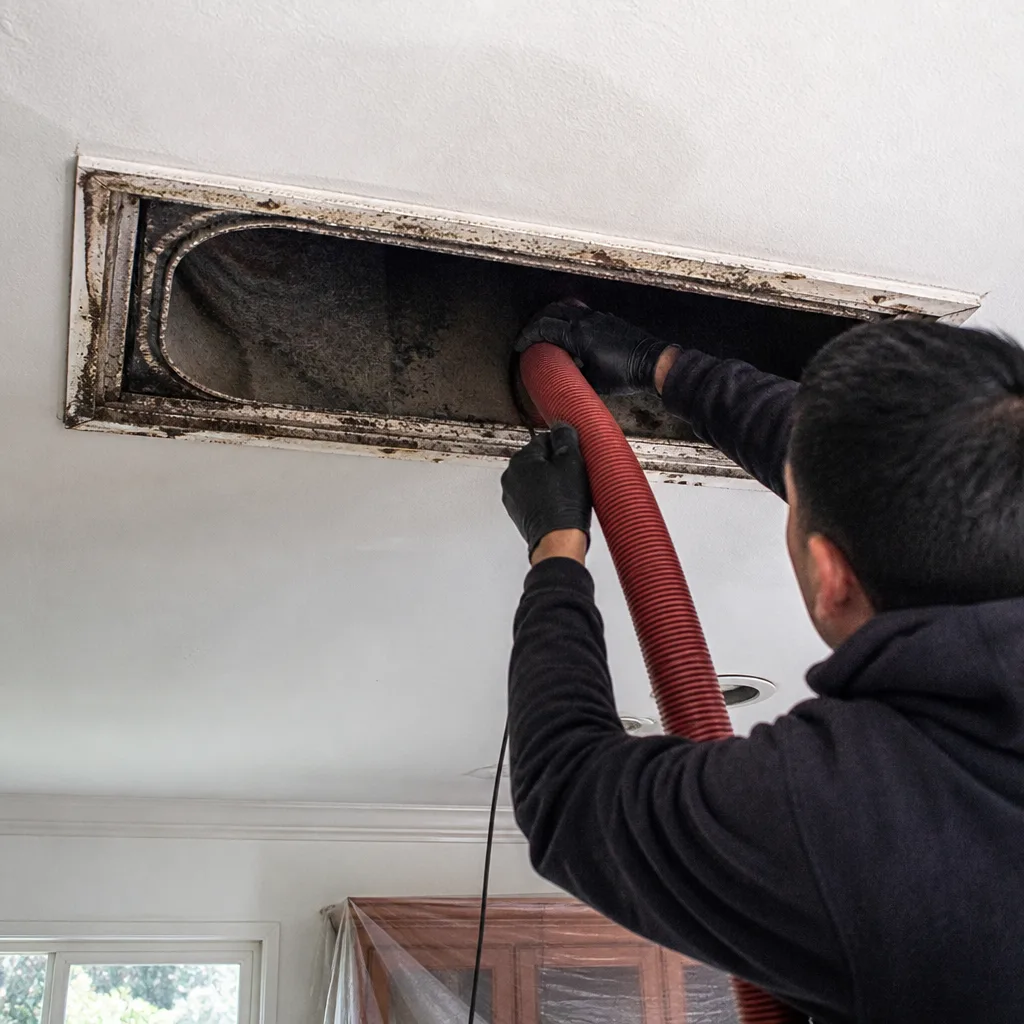 Before
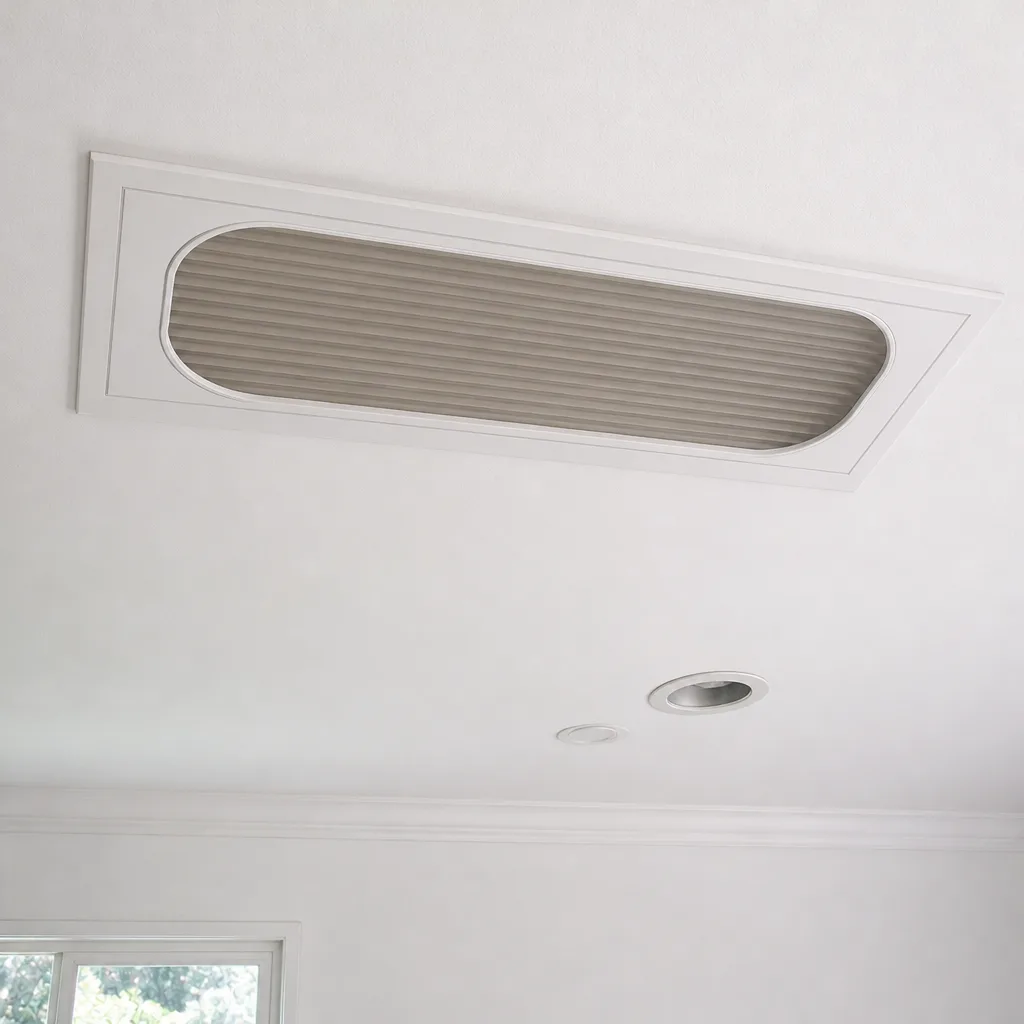 After
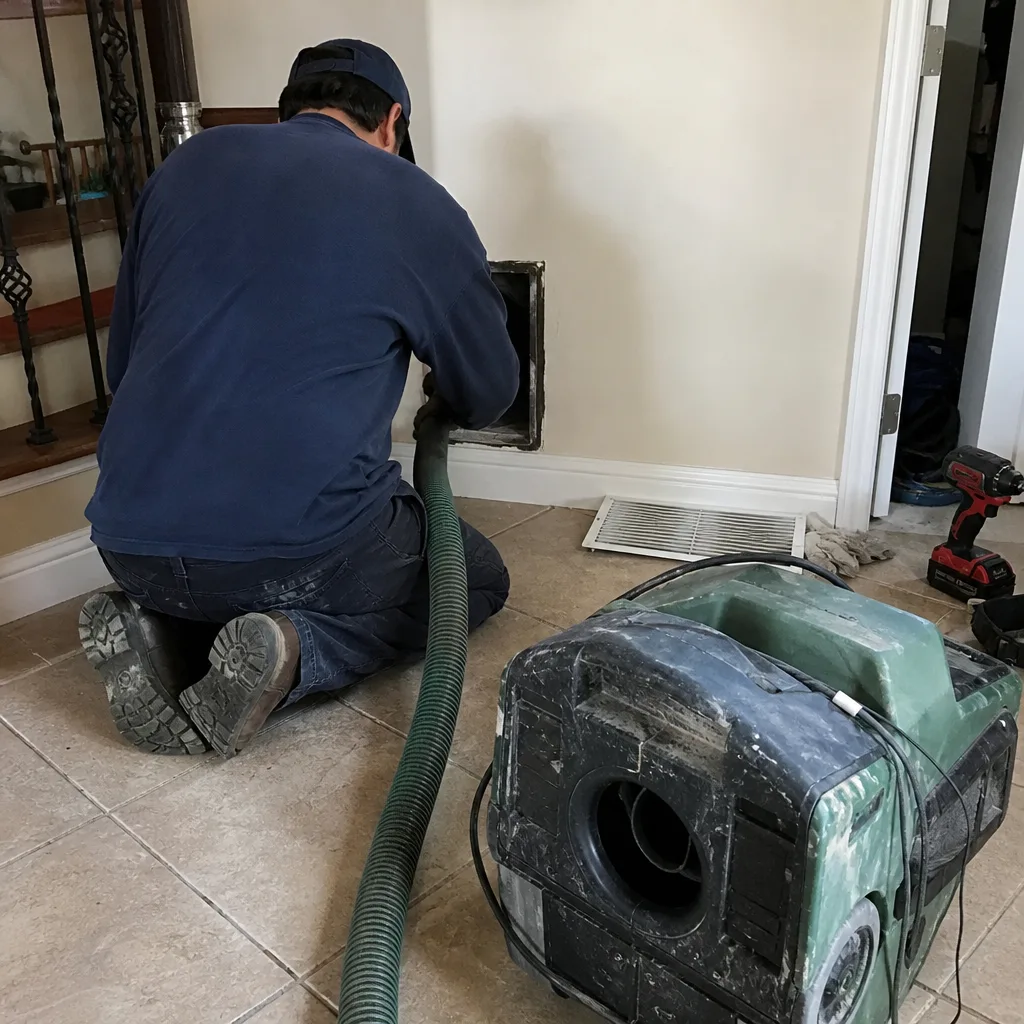 Before
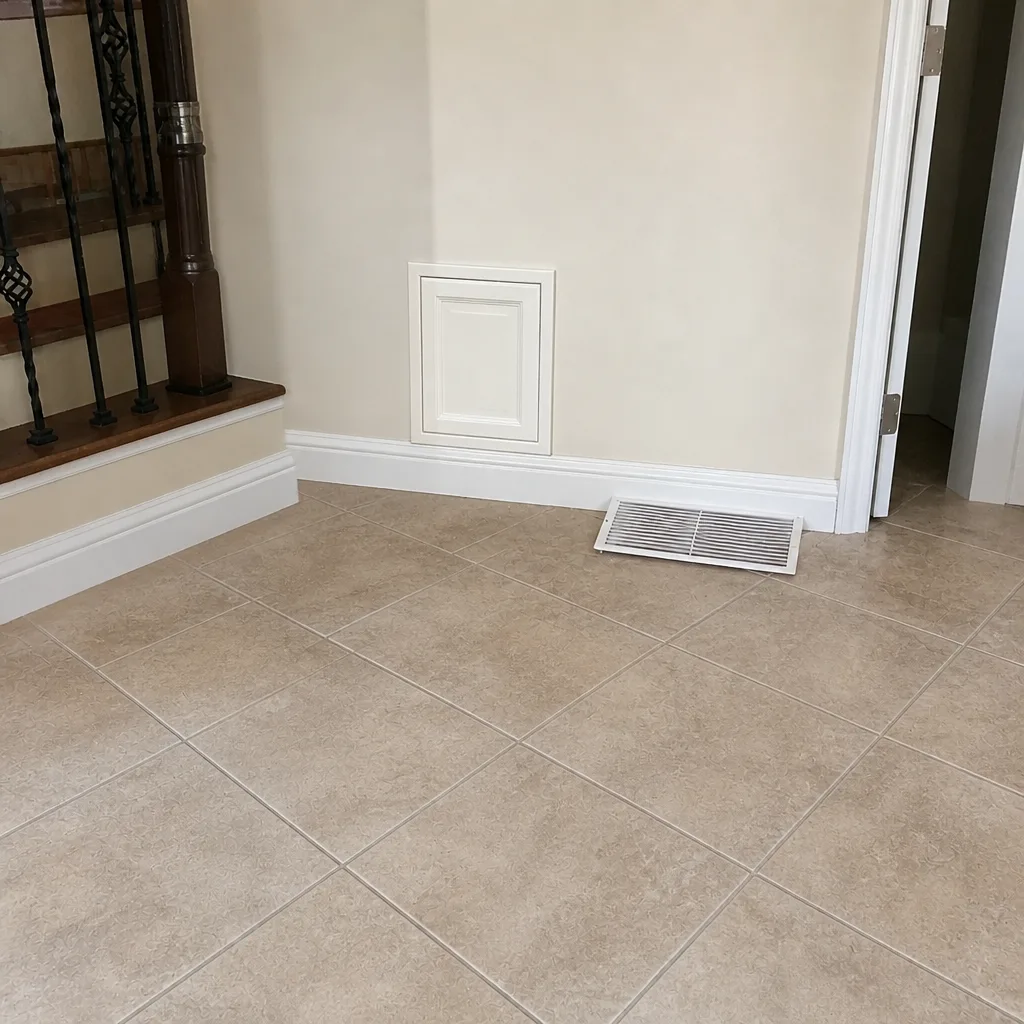 After
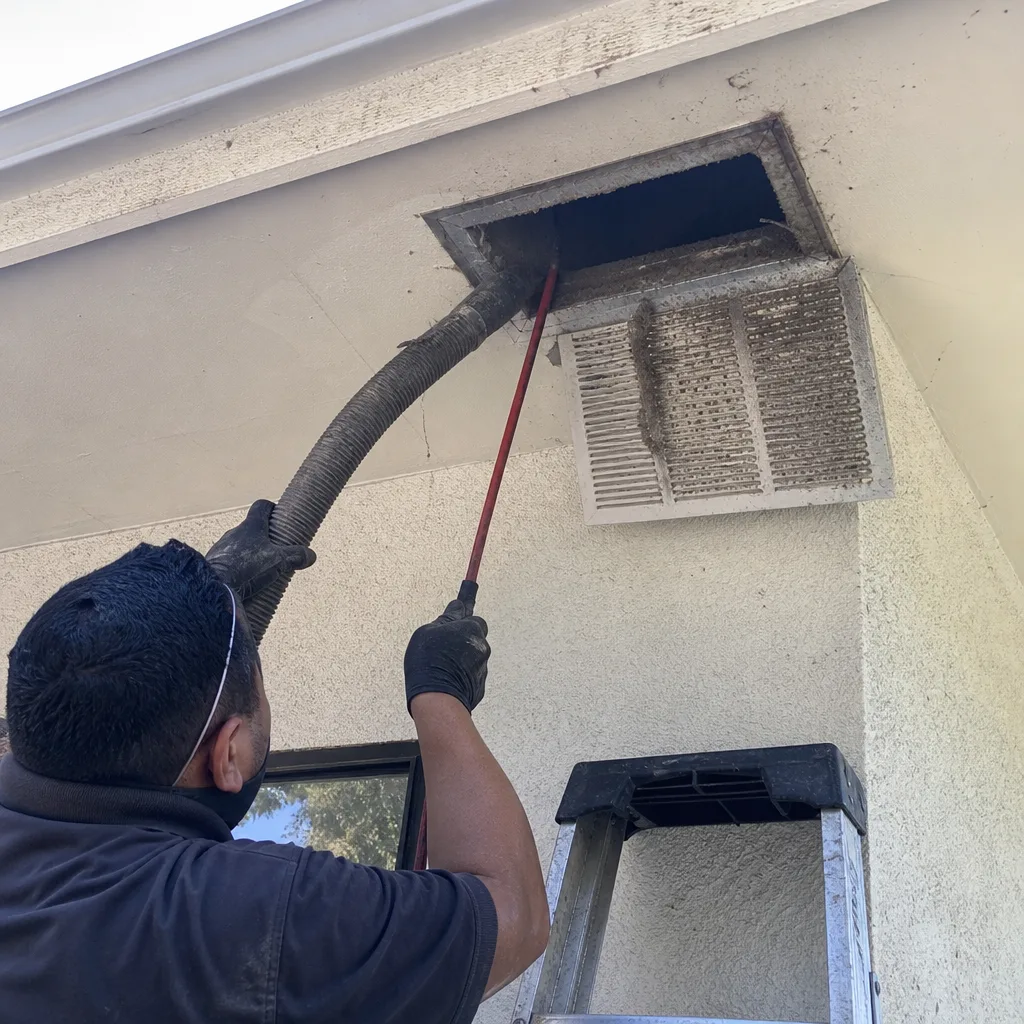 Before
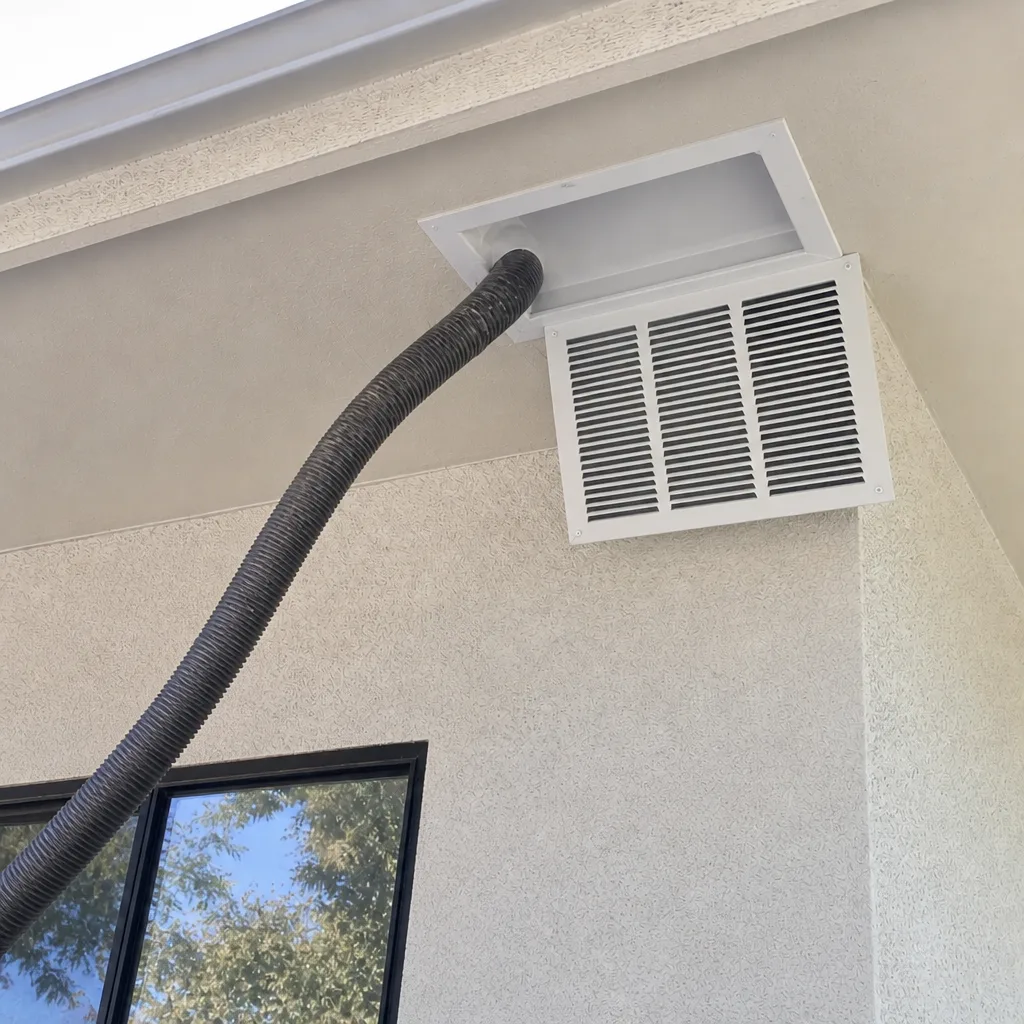 After