
Last updated November 24, 2026
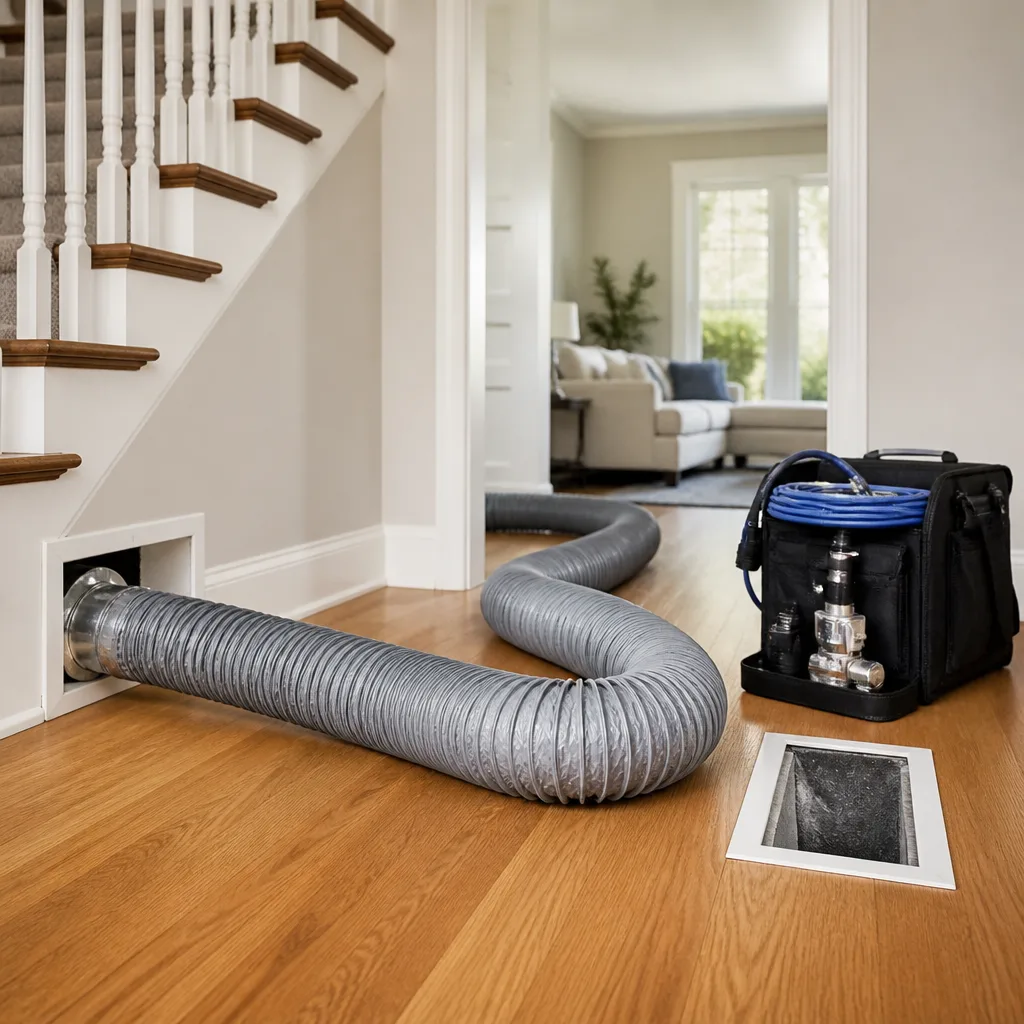 Whole-home duct cleaning
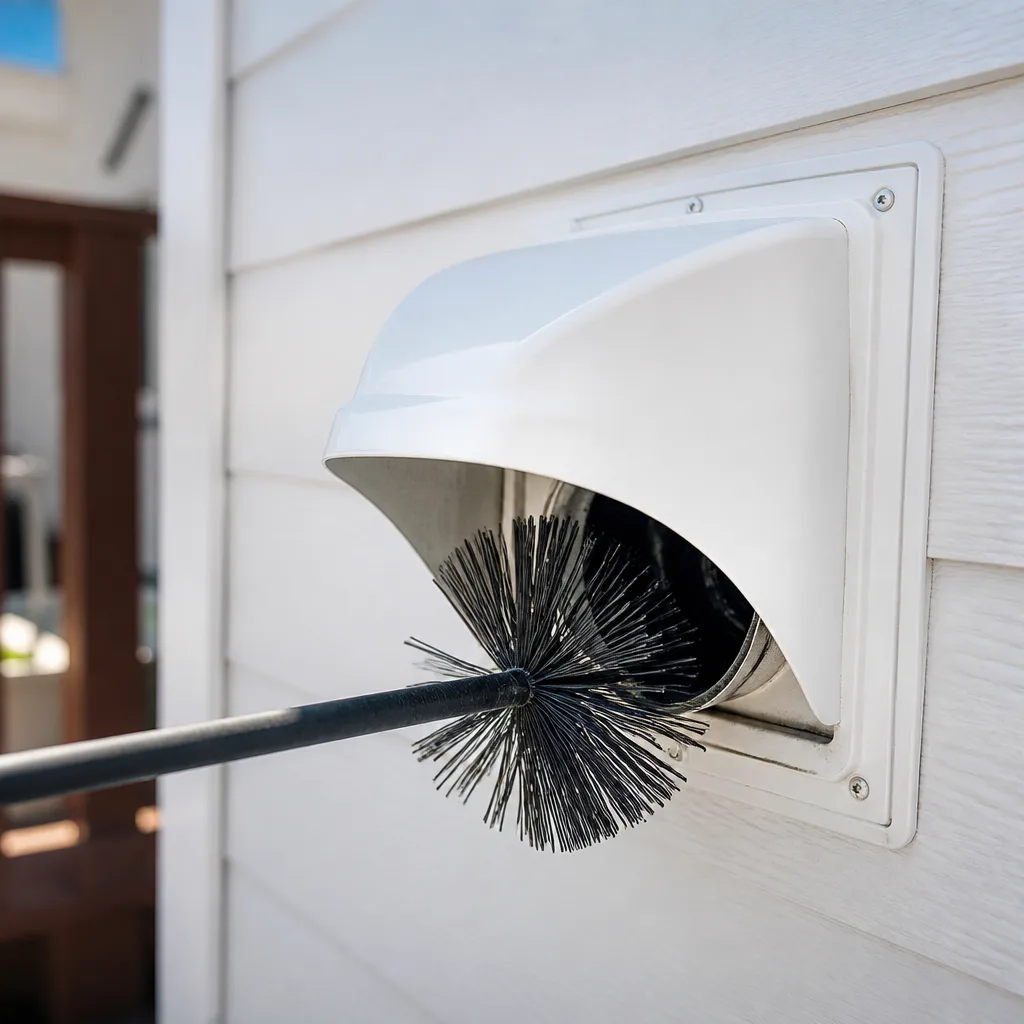 Dryer vent cleaning
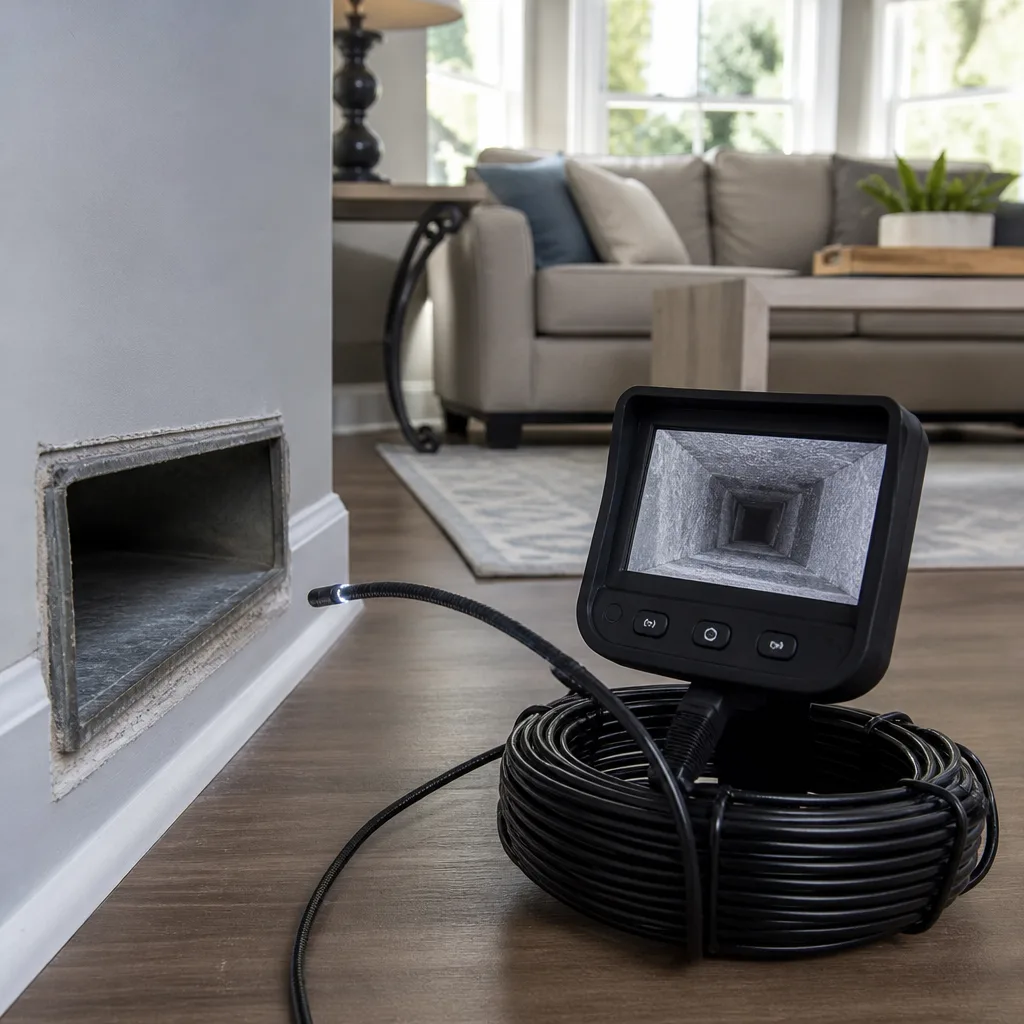 Camera inspection
 Sanitizing & deodorizing
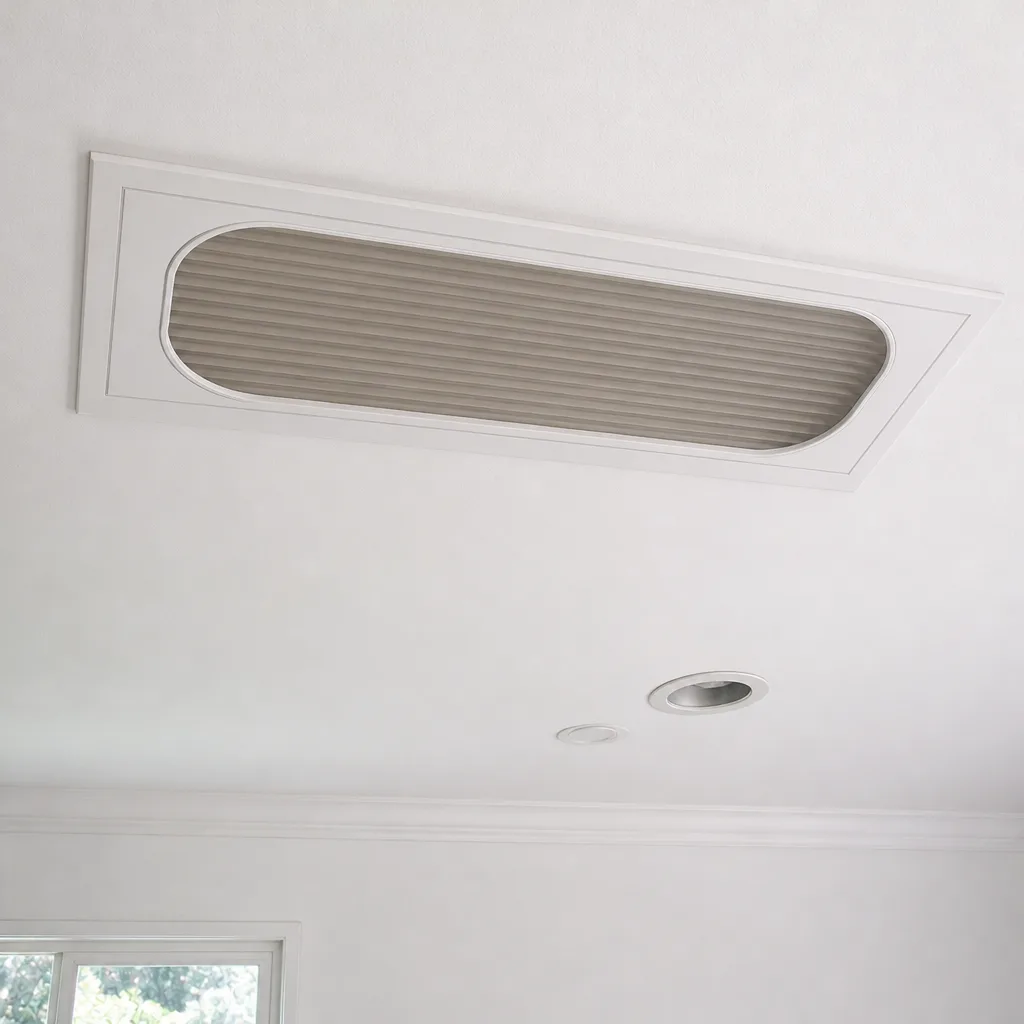
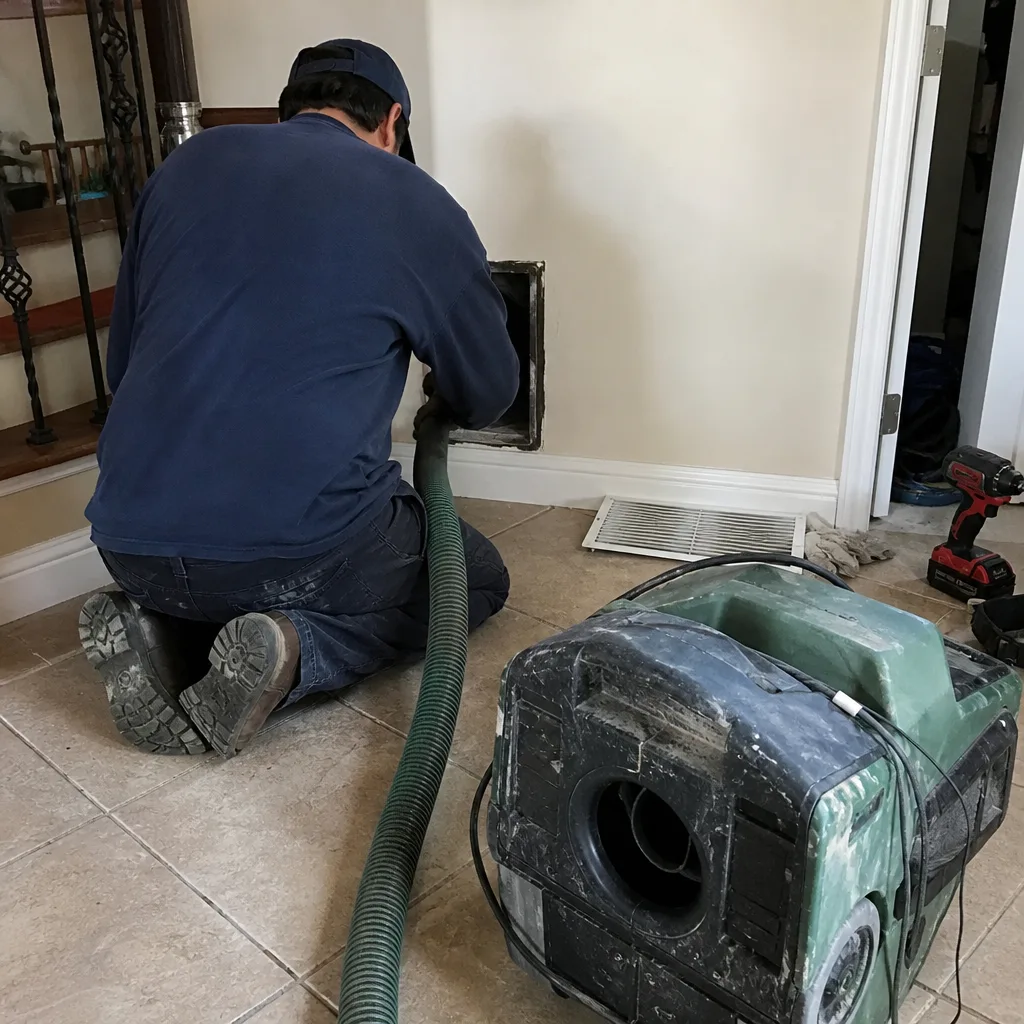
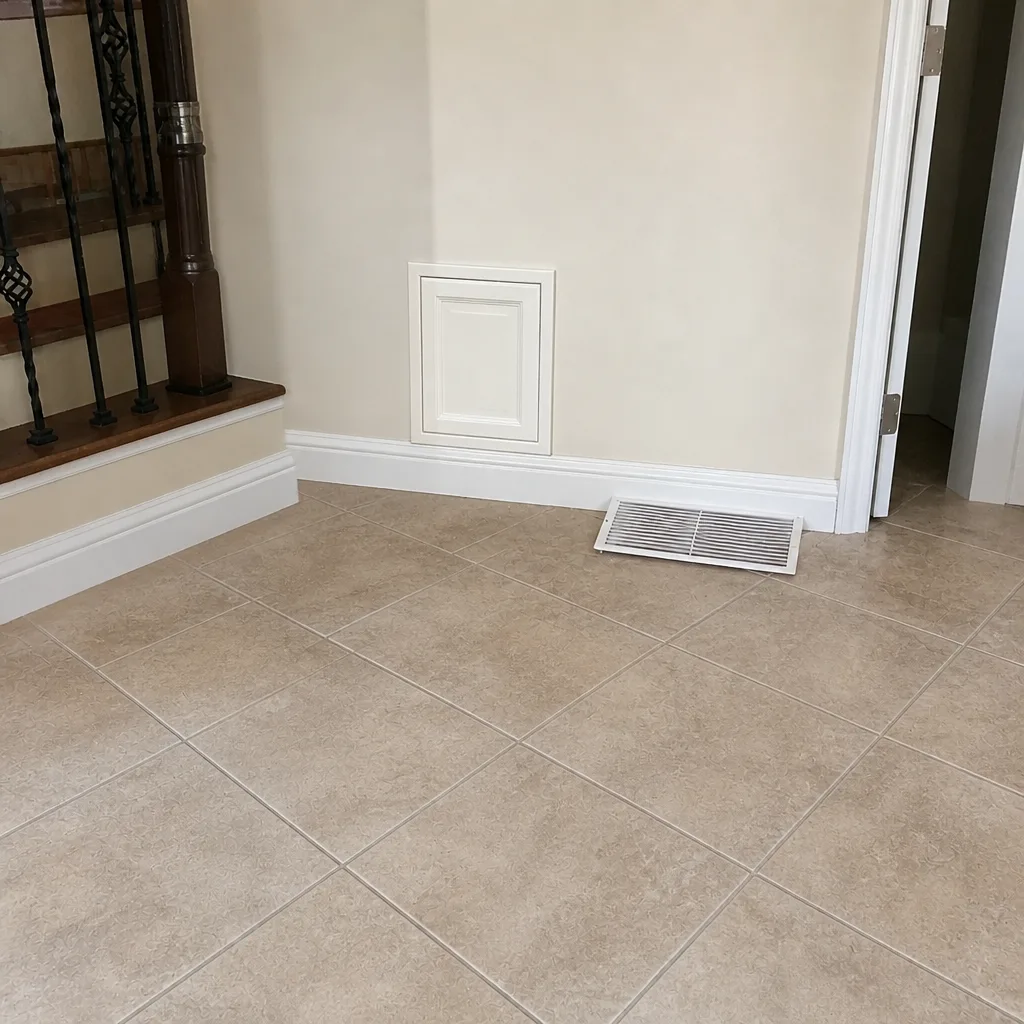
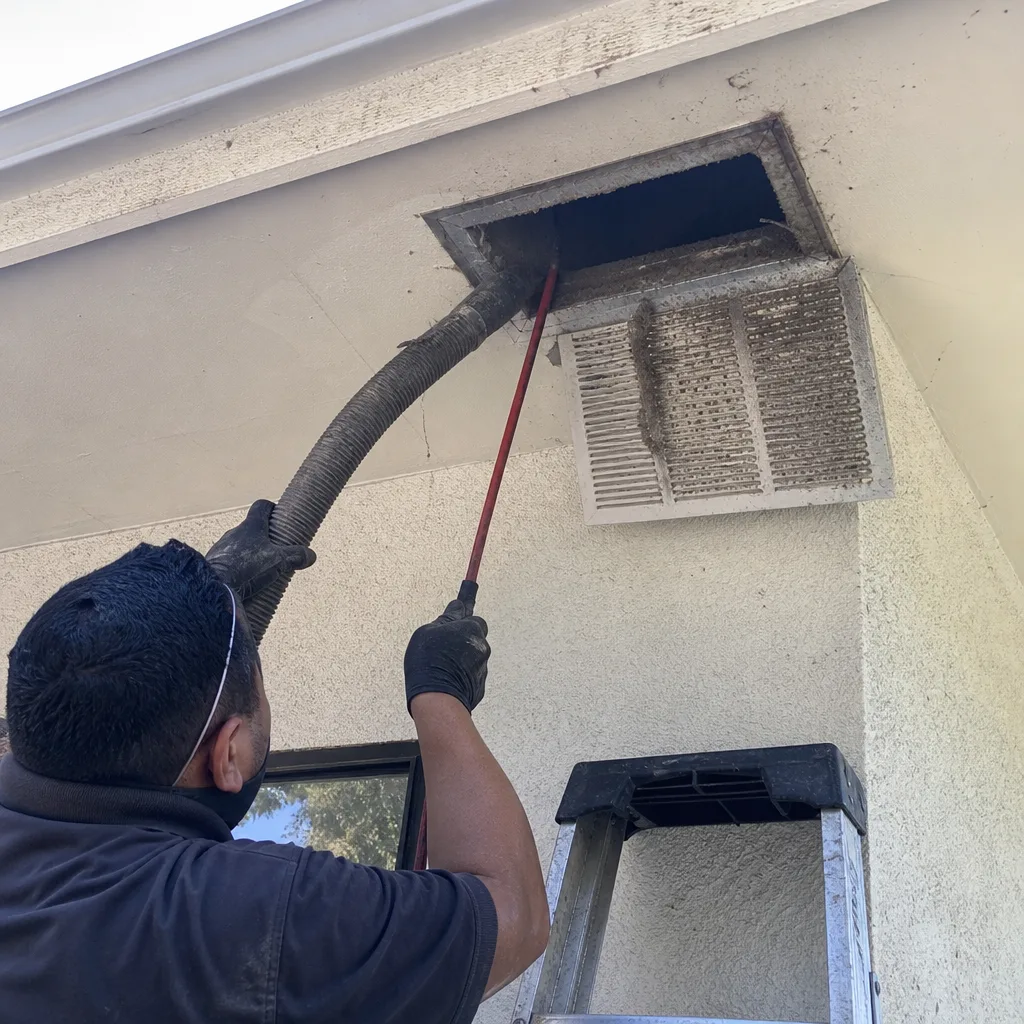
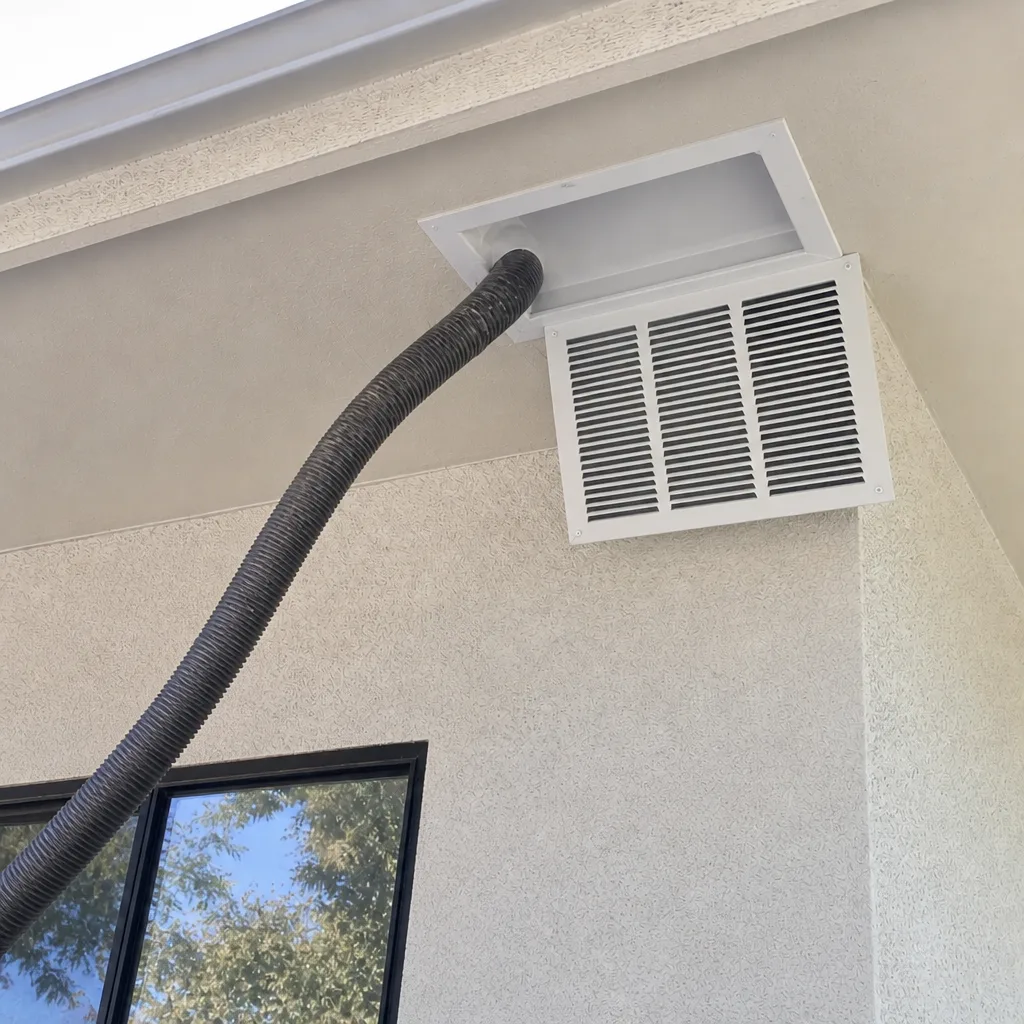
Whole-system duct and dryer vent check with before-and-after photos - you see exactly what came out of your vents
That "$99 whole-house special" is a bait ad - the real number appears once they are in your hallway, or the "clean" is a shop-vac at the register. We photograph the inside of your ducts before and after instead.
Seasonal Air Duct Cleaning Care for Turtle Rock: Year-Round Homeowner’s Guide
The “clean your ducts once a year” rule was written for the Midwest, where seasons behave and the calendar stays put. Turtle Rock doesn’t work that way. Canyon airflow, dry Santa Ana wind events, and Southern California’s increasingly unpredictable fire seasons push four very different kinds of particulate through your duct system at four very different times of year. A single annual cleaning schedule misses most of them. This guide maps specific duct system tasks to each seasonal risk window in Turtle Rock, so you act when the air actually changes rather than when a calendar tells you to.
Quick Answer
Seasonal air duct cleaning in Turtle Rock works best on four seasonal checkpoints rather than one annual visit: pre-Santa Ana preparation in fall, fireplace and cooking byproduct awareness in winter, post-bloom return filter work in spring, and a wildfire smoke infiltration and cleaning protocol in summer. Each window calls for a different inspection focus, and a rolling 12-month log keeps you ahead of problems instead of chasing them.
Styles & brands we work with
- Whole-home duct cleaning
- Dryer vent cleaning
- Camera inspection
- Sanitizing & deodorizing
Table of Contents
- Why Turtle Rock Needs a Seasonal Duct Calendar
- Fall: Preparing Your Duct System for Santa Ana Winds and the Heating Switch
- Winter: Fireplace, Holiday Cooking, and Recirculated Air
- Spring: Post-Bloom Allergen Loading in Turtle Rock’s Landscaped Corridors
- Summer: Wildfire Smoke Infiltration Protocol
- Building a Rolling 12-Month Duct Log
- What Professional Equipment Actually Changes
- Common Mistakes to Avoid
- When to Call a Professional
- Frequently Asked Questions
Why Turtle Rock Needs a Seasonal Duct Calendar
Turtle Rock sits in a bowl of canyon-fed airflow that behaves differently from the flat coastal plain below it. Wind drains through the community at certain times of year and stalls at others. That movement carries fine dust, pollen, and combustion particulate into return grilles, and once that material settles inside a duct run, the HVAC system recirculates it every time the fan cycles on. A duct system that’s clean in February can be carrying a noticeable load by early November without a single thing breaking.
The conventional advice to clean ducts every one to three years assumes a stable air environment. We don’t have one here. Our technicians have up to 11 years of experience working in Southern California homes, and the pattern we see is consistent: outdoor air events in Turtle Rock distribute debris far more unevenly than steady year-round conditions do. One wind event can concentrate a season’s worth of fine particulate in the return side of the system while the supply trunks stay relatively clear.
That’s why this guide is organized around seasons rather than years. Each of the four windows below targets a specific risk, and each one calls for its own inspection focus:
- Fall: coil and filter readiness before heating season, plus pre-event duct integrity checks.
- Winter: how fireplace and cooking byproducts interact with recirculated air.
- Spring: post-bloom allergen loading on return-side components.
- Summer: wildfire smoke decisions about running, sealing, and cleaning after an event.
Read the whole map, then build the calendar around your own home. A house on a windy edge of the community with mature landscaping faces a different fall load than one tucked into a sheltered interior street. The principles hold either way. If you want the baseline cleaned before you start tracking seasons, our air duct cleaning service is the place to begin, because a seasonal plan only makes sense on a clean system.
Fall: Preparing Your Duct System for Santa Ana Winds and the Heating Switch
Fall is the highest-stakes season in Turtle Rock because two events land at once: Santa Ana wind episodes that drive dry, particulate-heavy air inland, and the annual switch from cooling to heating. Both put stress on components that sat idle all summer. Preparing before the first wind event and before the first heating cycle is the single most useful thing a homeowner can do all year.
Santa Ana events are dry, gusty, and capable of pushing fine dust and organic debris deep into return systems. The particulate that matters most is the smallest fraction, which passes through standard filters and settles on coils and duct liners. Abatement Technologies equipment gives technicians the ability to pull that fine material out rather than just stir it around, which is why we schedule pre-event inspections in fall rather than cleaning after the damage is done.
Before the heating switch, do these five checks. A professional can handle all of them in one visit, but it helps to know what’s being looked at:
- Inspect the air handler coil. A summer’s worth of dust on a cooling coil bakes on when the system switches to heating. Once it cures into place, cleaning takes more effort and the coil runs less efficiently.
- Check filter fit and MERV rating. A filter that’s too restrictive chokes airflow; one that’s too loose lets particulate bypass. Fall is the right time to confirm the right filter for the system.
- Look at return grille loading. Return-side grilles collect the heaviest debris first. If they look dusty in early fall, the ducts behind them are carrying more.
- Verify duct integrity. Disconnected or leaking joints let wind-driven particulate straight into the airstream. Sealing leaks before a wind event keeps that material outside where it belongs.
- Schedule the pre-event cleaning. Cleaning before Santa Ana season means the system starts the dry window clean, so any dust that enters is measured against a known baseline.
We seal what we find. Duct repair and sealing is part of a complete fall job in Turtle Rock, because a leak that’s harmless in calm weather becomes an intake for wind-driven dust. If you’ve noticed rising dust on surfaces even with the system running, fall is the season to find out why.
Winter: Fireplace, Holiday Cooking, and Recirculated Air
Winter in Turtle Rock is mild, which is exactly why it traps more indoor air than homeowners expect. Doors and windows stay closed during the cooler evenings. The fireplace gets used. Holiday cooking runs the kitchen exhaust for hours. None of that is a problem on its own, but every one of those activities generates combustion byproducts and fine cooking particulate that a recirculating HVAC system will move through the house if the duct path isn’t clean and sealed.
The interaction is the part most homeowners miss. Fireplaces with proper flue drafting push combustion gases up and out. But a house under negative pressure from a running kitchen exhaust or a clothes dryer can pull some of that combustion air backward. Duct leakage makes it worse: a return leak near a fireplace or a kitchen can siphon fine soot and cooking grease vapor into the airstream where the HVAC fan then distributes it through every room.
Winter tasks worth putting on the calendar:
- Return-side inspection after heavy cooking periods. Grease vapor that passes through a filter still coats duct surfaces over time. It’s easier to remove in the first month than after it’s baked on.
- Fireplace-adjacent duct check. If return grilles sit near a fireplace, confirm they aren’t pulling combustion byproducts into circulation.
- Filter change timing. Winter filter loading in Turtle Rock tends to spike during the weeks around the holidays, when cooking and fireplace use overlap.
- Consider air quality filtration. We work with Aprilaire and Honeywell filtration systems, and winter is the season when upgraded filtration pays for itself in cleaner recirculated air.
- Airflow balance check. Closed-up houses run at different pressure than open ones. Adjusting return and supply balance can reduce how much fireplace and cooking air migrates.
If you’ve noticed a faint smoky or cooking smell that lingers in rooms far from the kitchen, that’s a duct path issue, not a habit issue. Winter in Turtle Rock is when it shows up most clearly, because there’s nowhere for the air to go.
Spring: Post-Bloom Allergen Loading in Turtle Rock’s Landscaped Corridors
Spring is when the bill for winter’s closed doors comes due. Turtle Rock’s landscaped corridors, mature trees, and proximity to canyon vegetation produce a heavy pollen load in a short window. That pollen doesn’t just land on cars and patios. It gets pulled into return grilles by every HVAC cycle, and it accumulates fastest on the return-side components: the return plenum, the filter rack, and the return-side duct runs.
The trap is assuming the filter catches everything. Standard filters catch a useful fraction of pollen, but the smallest particles pass through and settle on duct surfaces. Once settled, spring pollen becomes a persistent allergen source every time the fan cycles, which is why spring allergen complaints in Turtle Rock often persist long after the visible pollen has dropped.
The post-bloom checklist for spring:
- Change the return filter at the peak of the bloom, not after. A filter loaded with pollen stops doing its job before it looks completely clogged.
- Inspect the return plenum for settled pollen. This is the part of the system most likely to need attention in spring.
- Clean return-side registers. Grilles trap pollen directly. Removing it at the surface keeps it out of the duct run.
- Check supply-side balance. If some rooms feel stuffier than others, the returns may be pulling unevenly during high pollen weeks.
- Consider filtration upgrades. Spring is the season when an upgraded Aprilaire or Honeywell filter earns its keep, because it’s working against the heaviest airborne load of the year.
Spring is also the right time to schedule a professional cleaning if you skipped fall. Post-bloom is the ideal window because the allergen source is at its peak and the system is otherwise idle. Full HVAC cleaning covers the blower, coil, and cabinet alongside the duct path, which is where spring particulate tends to accumulate unevenly. If you have allergy sufferers or young children in the house, the spring window matters more than any other single point on the calendar.
Summer: Wildfire Smoke Infiltration Protocol
Wildfire smoke is a summer reality in Southern California, and Turtle Rock’s canyon geography makes smoke behavior unpredictable. Smoke can settle into the community during an active fire and linger for days after visible flames are out. The duct-related decisions homeowners face during a smoke event are genuine and often get answered wrong.
Here’s how the three decisions break down. First, whether to run the system: run it if the filter is fresh and the system is properly sealed, because filtration removes some smoke particulate from recirculated air. Shut it down if the filter is loaded or if there’s significant duct leakage, because the system will pull outside smoke straight into the house. Second, whether to seal: if you have confirmed leaks in the return path, seal before smoke season, not during. Duct repair and sealing done in spring protects against summer smoke. Third, when to clean: after a significant smoke event, once the air has cleared, because smoke particulate that settles in the ducts will recirculate for weeks if it isn’t removed.
A practical summer smoke sequence:
- Before the event: confirm filter condition and duct integrity. This is a spring-into-summer task.
- During the event: keep windows closed, run the system only if filtration is fresh and the system is sealed, and follow local air quality guidance.
- After the event: schedule inspection once visible smoke has cleared. If surface dust is visible indoors and the system ran during the event, the duct path is likely carrying settled particulate.
We answer 24/7, so if a smoke event has you unsure about your system, you can call during it and we’ll talk through the decision rather than a script. A professional cleaning after an event is often the difference between a house that smells clean in a week and one that smells smoky all the way into fall.
Building a Rolling 12-Month Duct Log
A rolling log changes duct maintenance from reactive to predictable. Instead of calling when something smells wrong, you call when the log says the system has accumulated enough load to matter. The log is simple: a single sheet or a phone note with dates, observations, and actions. It builds a record specific to your home’s behavior in Turtle Rock rather than a generic schedule.
Here’s how to build one. Numbered steps, in order:
- Set a start date. If you haven’t cleaned the system recently, schedule a professional cleaning first so the log starts from a clean baseline. Without a baseline, you can’t tell how fast your system loads up.
- Record filter changes and MERV ratings. Note the date, the rating, and whether the filter was visibly loaded. This tells you the real loading rate for your home, not the manufacturer’s estimate.
- Note seasonal events. A Santa Ana wind event, a nearby fire, peak bloom, heavy cooking periods, and fireplace use are all relevant. Write the date and a few words describing what happened.
- Log observations. Dust on surfaces, musty odors, airflow changes, stuffy rooms, and smells in guest rooms are all signals worth writing down.
- Log services. Any inspection, cleaning, duct sealing, or filtration work should be dated and described in a line or two.
- Review the log monthly. A quick read-through every month shows patterns. If dust rises fast after every wind event, that’s an integrity signal. If spring is always the allergy-symptom month, filtration upgrades may be the answer.
- Plan proactively. With a year of entries, you can schedule the next cleaning before the load becomes a problem rather than after it becomes a complaint.
The log matters most for property managers, because tracking multiple homes against one calendar without per-home data means nobody knows which home actually needs attention. In our experience, a per-home log cuts wasted visits and turns a maintenance schedule into a diagnostic tool. If you’d like a free estimate to establish a baseline, our Air Duct Cleaning Turtle Rock team can start the log with a clean first entry.
What Professional Equipment Actually Changes
The equipment question is not a marketing detail. It’s the difference between cleaning a duct system and agitating it. A shop vacuum pulls some surface dust from the first few feet of a duct run and leaves the settled particulate downstream. Professional-grade equipment pushes negative pressure through the whole system and drives mechanical agitation through the full run, so the fine material that recirculates all year is actually removed.
What that means in practice for a Turtle Rock home:
- Rotobrush and Nikro systems are the same equipment used by commercial and restoration contractors. They reach the full interior surface of the duct run, including the sections that standard vacuums can’t contact.
- Abatement Technologies extraction captures fine particulate, allergen, and mold spore loads that would otherwise re-enter the airstream during cleaning. This is the standard for serious contaminant removal.
- Aprilaire and Honeywell integration means filtration and humidity control are part of the job, not an afterthought. Technicians who understand these systems can tell you whether your filter is the right fit and whether an upgrade is worth it.
- Guardsman-grade surface and protection standards mean job-site care isn’t improvised. Floors, furnishings, and adjacent surfaces get protected before equipment comes in.
We treat the duct, the vent, the filter, the HVAC unit, and the dryer vent as one air pathway. That scope matters most in a seasonal plan, because a leak in the return path or a filter that’s mismatched to the system defeats every other step. If you want the whole pathway checked before you build the calendar, our dryer vent cleaning work addresses the fire-safety side of the same system, and it’s often the service that reveals how quickly lint and dust load up in a Turtle Rock home.
Clean air starts at the source. Equipment is how you get there.
Common Mistakes to Avoid
- Treating duct cleaning as an annual event. The Turtle Rock calendar has four seasonal windows, not one. A single annual cleaning misses the Santa Ana window entirely and often lands at a time when the system is already loaded.
- Cleaning after Santa Ana events rather than before. Pre-event preparation protects the system during the event. Post-event cleaning of a system that was clean to begin with is much less work than cleaning one that started dirty.
- Running the HVAC during a smoke event without checking filter and duct integrity. This is the most common mistake in Turtle Rock smoke season, and it can pull outside particulate straight into the house. Check first, run second.
- Ignoring return-side filters in spring. Pollen loading on the return components is the reason spring allergy complaints persist in Turtle Rock long after bloom ends. The supply side is rarely the problem.
- Skipping duct sealing to save the step. Leaks are cheap to fix in the calm season and expensive in dust and energy waste during wind events. We seal what we find because the sealing is what makes the cleaning durable.
- Assuming the filter catches everything. No filter removes all particulate. The smallest fraction settles in the duct path and recirculates until a professional cleaning removes it.
- Skipping the log. Without a rolling log, every season feels like an emergency and every maintenance decision gets made blind.
When to Call a Professional
Some tasks are homeowner-level: changing filters, cleaning surface grilles, and logging observations. Others need real equipment. Call us when you notice a persistent musty or smoky smell that doesn’t clear after a filter change, when visible dust builds on surfaces faster than the filter should allow, when you can see debris or growth inside a supply or return grille, when airflow feels different from room to room, or when your spring allergy symptoms don’t improve indoors after windows stay closed.
Call after any significant smoke event where the system ran, and call before Santa Ana season if the system hasn’t been cleaned recently. If you haven’t had the system inspected in more than a year, a baseline visit closes the gap. Air Duct Cleaning Turtle Rock offers free estimates in Turtle Rock. Call (833) 700-4234. We answer 24/7. Fast dispatch from 7am to 7pm, Sunday through Friday.
Frequently Asked Questions
Most Turtle Rock homes benefit from a professional cleaning once per year, ideally timed to the fall pre-Santa Ana window, with a post-smoke-event cleaning added if the system ran during a significant wildfire smoke episode. Homes with allergy sufferers, young children, or heavy landscape pollen exposure may benefit from a spring return-side inspection as well. Call (833) 700-4234 for an exact quote – estimates are free.
Yes. Santa Ana wind events and summer wildfire smoke push fine particulate into duct systems in concentrated bursts, so cleaning timing matters as much as frequency. A system cleaned before an event accumulates less debris than one cleaned after, because the pre-event clean removes the baseline load and lets any new material be measured against a known start.
Run it if the filter is fresh and the duct path is properly sealed, because filtration removes some smoke particulate from recirculated air. Shut it down if the filter is loaded or if duct leakage has been confirmed, because the system can pull outside smoke directly into the house. If you’re unsure, call (833) 700-4234 and we’ll talk it through with you.
Preparing the coil and filter before the fall heating switch is the highest-value task of the year, because dust baked onto a coil in the first heat cycle is harder to remove later and reduces system efficiency all season. Pair it with a duct integrity check before Santa Ana winds arrive.
Pollen that settled into the return path during bloom keeps recirculating every time the fan cycles, so the source is inside the system rather than outside the house. A return-side inspection and professional cleaning typically resolves this. Call (833) 700-4234 for a free estimate.
A shop vacuum pulls surface dust from the first few feet of a duct and leaves settled particulate downstream, which is often worse than leaving the system untouched because it mobilizes material without capturing it. Professional-grade equipment such as our Rotobrush, Nikro, and Abatement Technologies systems maintains negative pressure through the whole run so fine particulate is removed, not redistributed.
The Bottom Line
Turtle Rock’s climate doesn’t fit a once-a-year duct calendar. Santa Ana winds, wildfire smoke, heavy spring pollen corridors, and winter fireplace recirculation each load the system differently at different times. The answer isn’t cleaning more often; it’s cleaning at the right times. Prepare the coil and filter before fall’s heating switch, watch the return side after holiday cooking, address post-bloom filter loading in spring, and treat wildfire smoke as a before-during-after protocol rather than a single cleanup. Build a rolling log, use real equipment, and seal what you find. That combination keeps your air cleaner all year than any annual cleaning can. Call (833) 700-4234 for a free estimate and to set a baseline for your log.
Written by the team at Air Duct Cleaning Turtle Rock.
See the difference
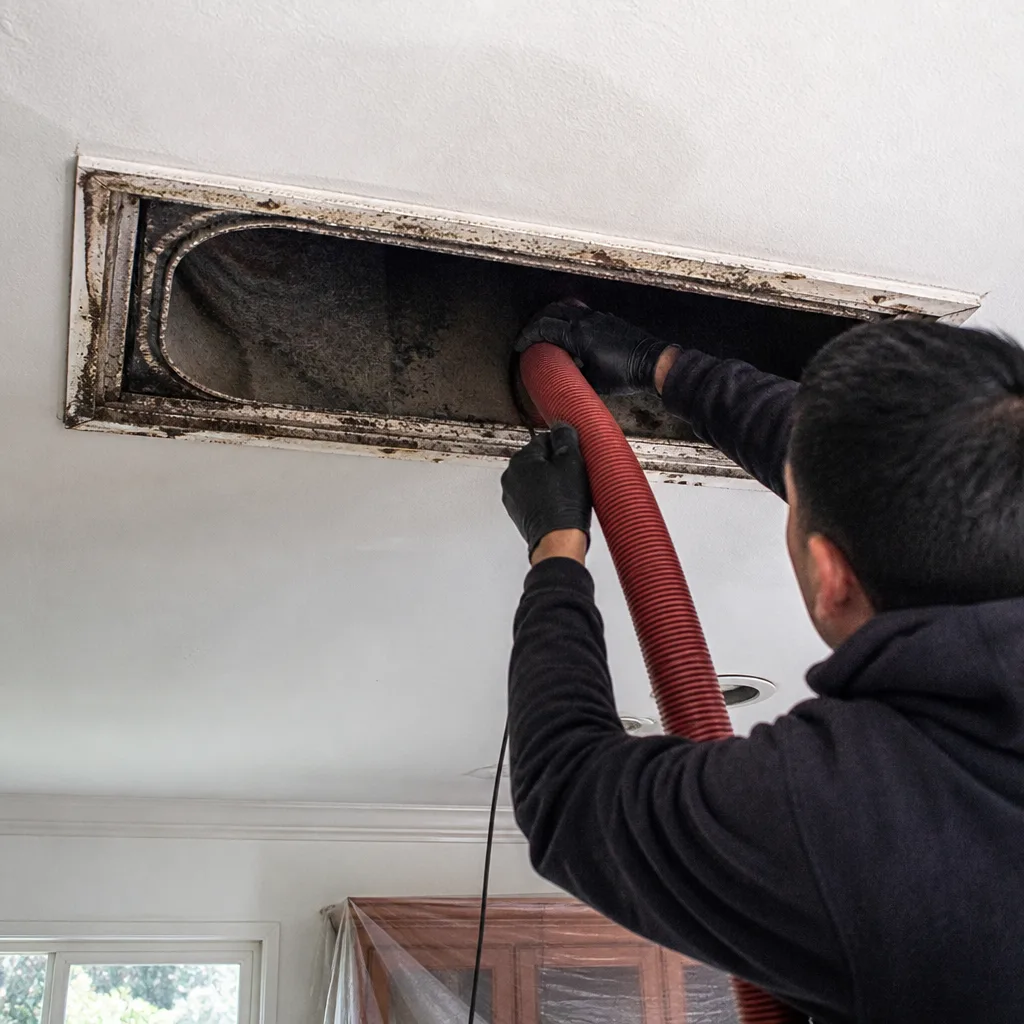 Before
 After
 Before
 After
 Before
 After