
Last updated November 24, 2026
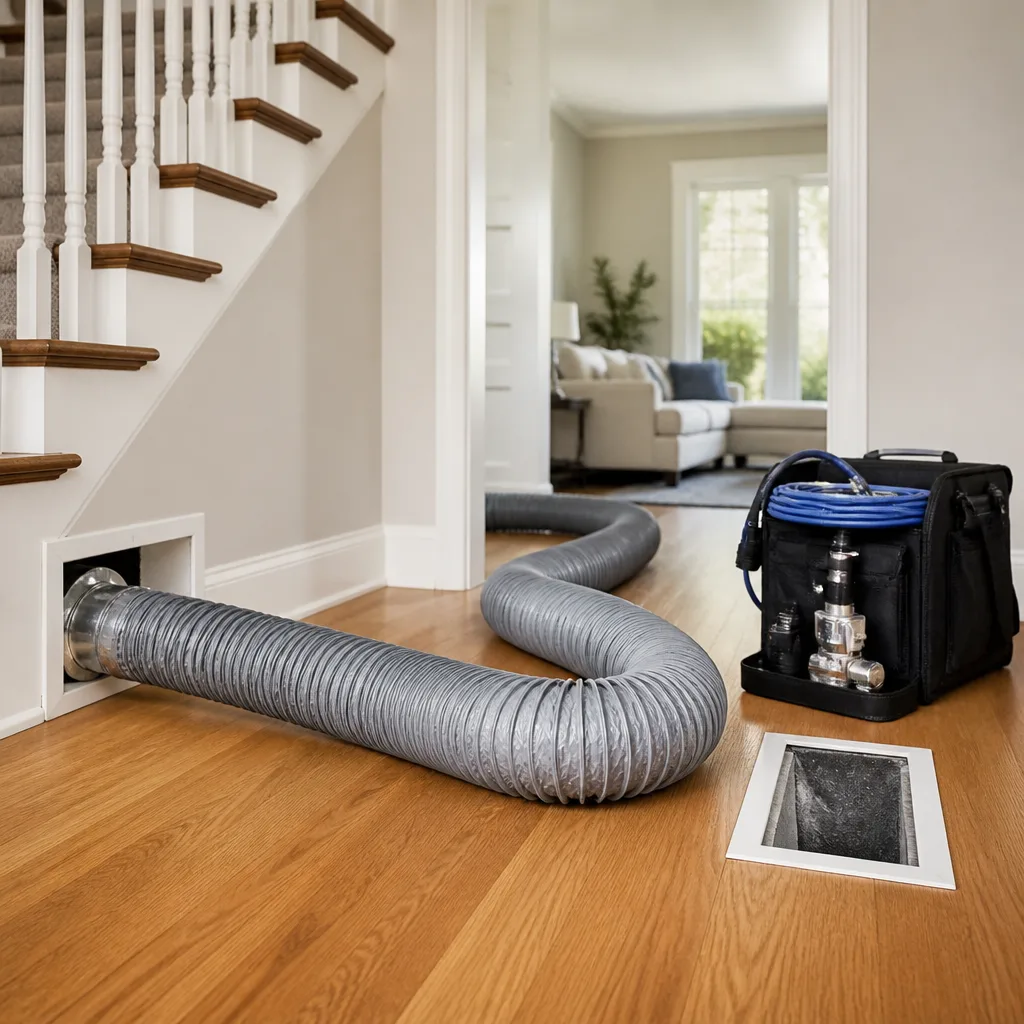 Whole-home duct cleaning
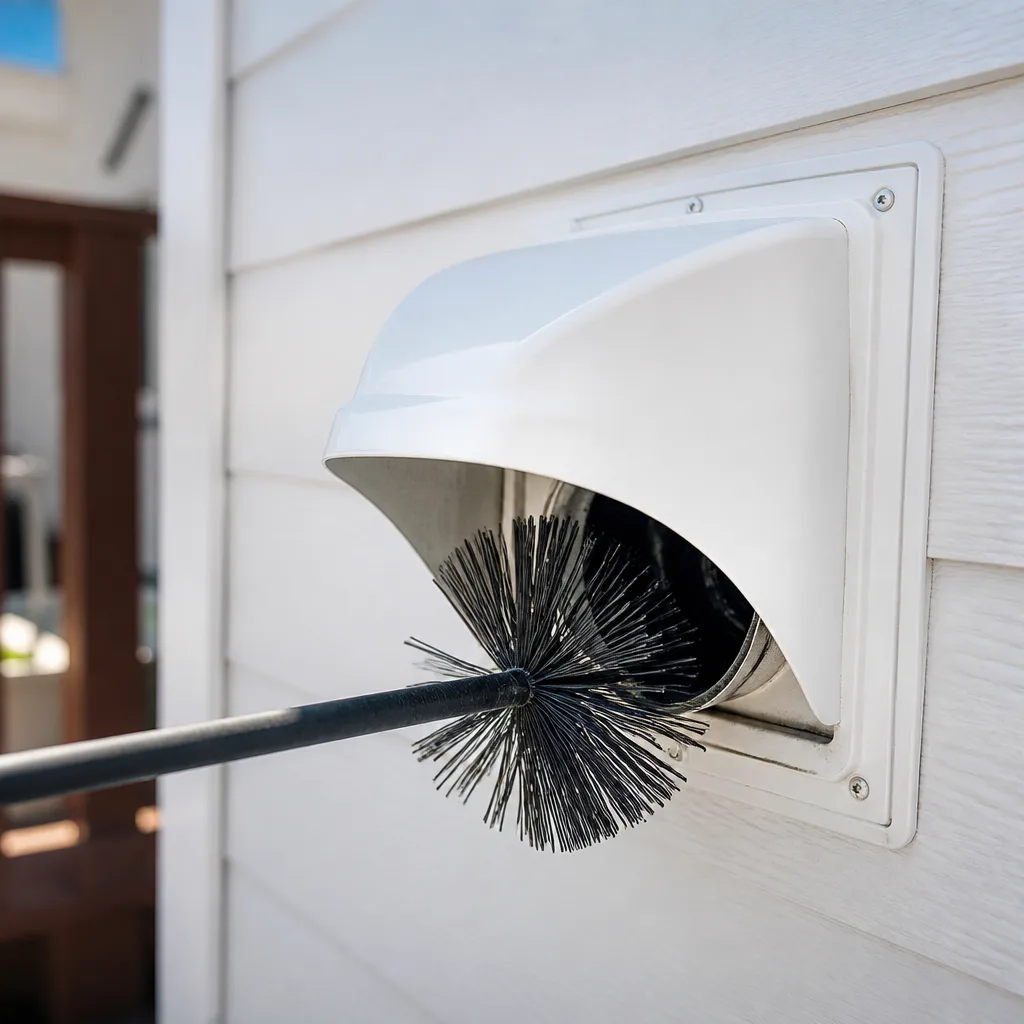 Dryer vent cleaning
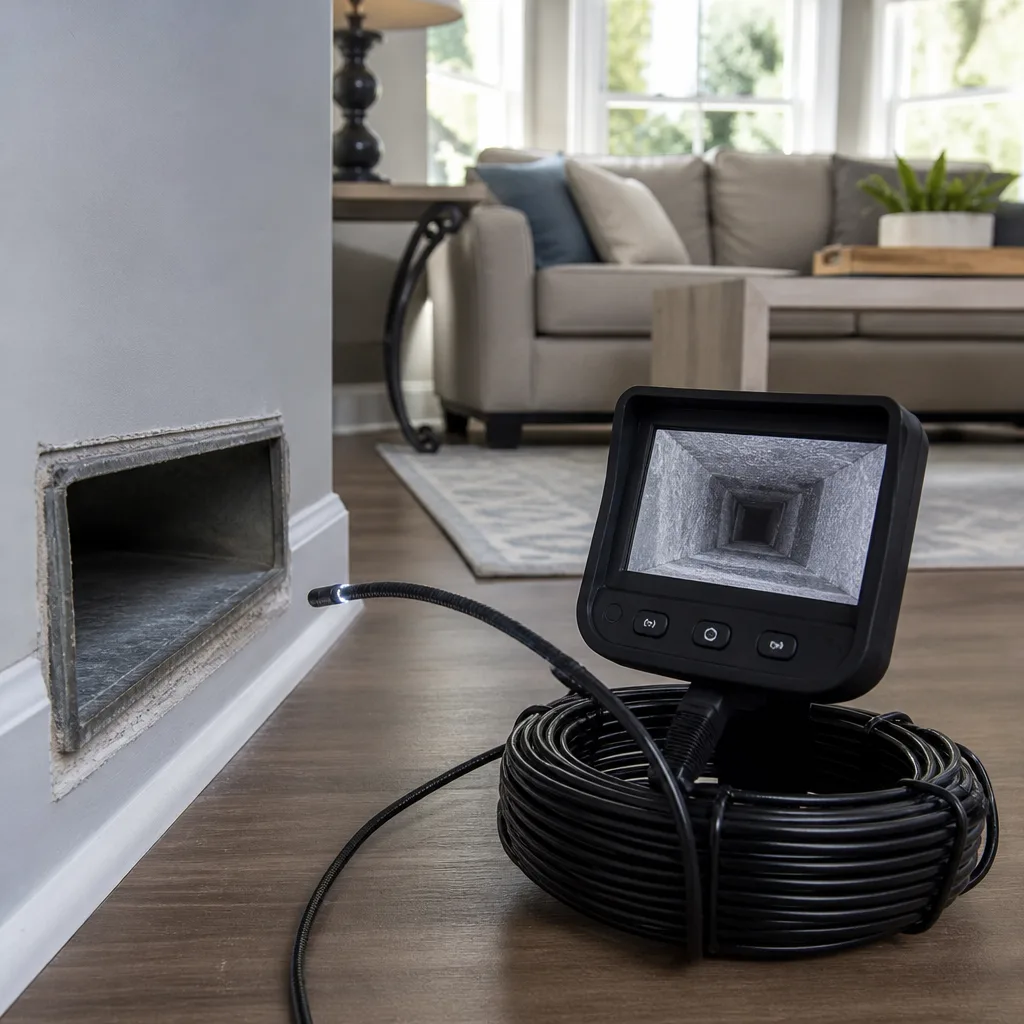 Camera inspection
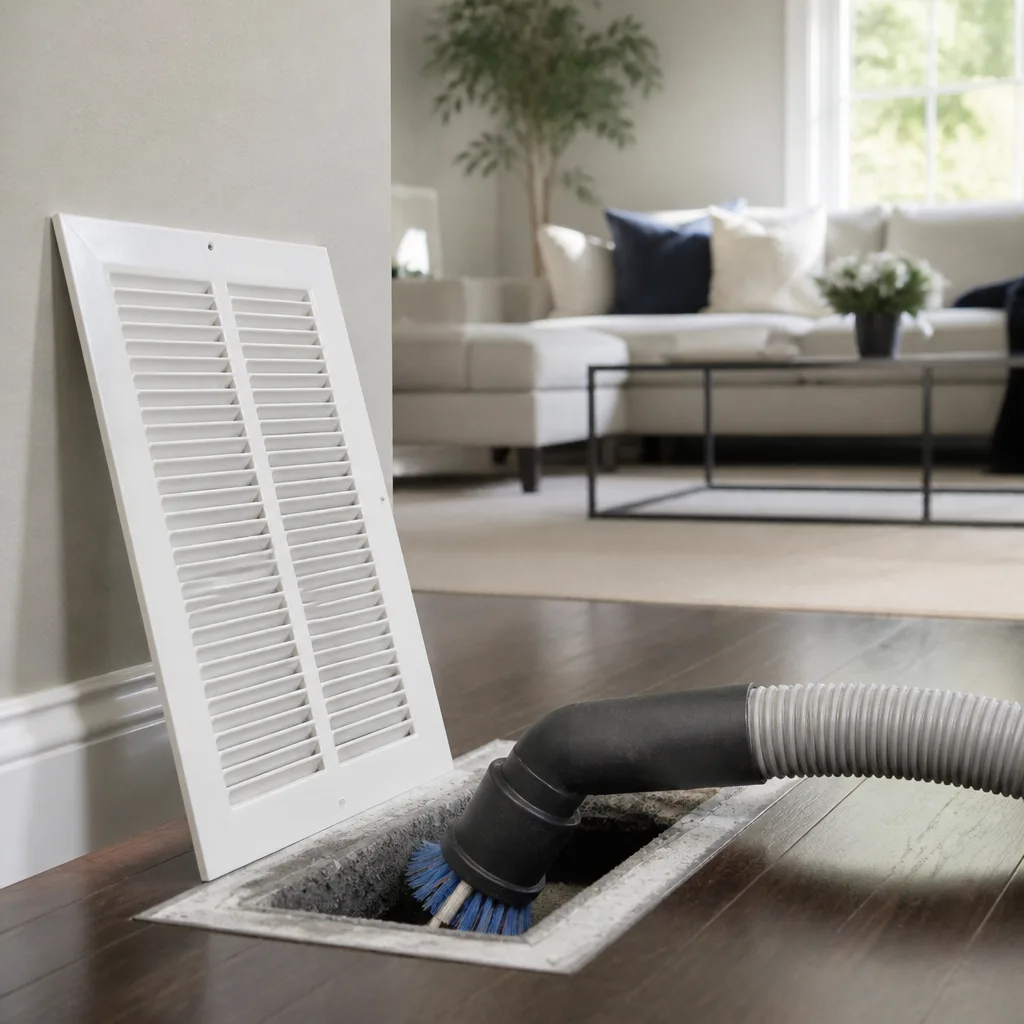 Sanitizing & deodorizing
Whole-system duct and dryer vent check with before-and-after photos - you see exactly what came out of your vents
That "$99 whole-house special" is a bait ad - the real number appears once they are in your hallway, or the "clean" is a shop-vac at the register. We photograph the inside of your ducts before and after instead.
The Complete Guide to Air Duct Cleaning in Turtle Rock
Most people picture a duct as one long metal tube running through the attic. Clean the tube, problem solved. That mental model is why so many duct cleanings look thorough on the invoice and change nothing in the air you breathe. A home’s air delivery system is a connected chain: return grilles, the return trunk, the blower motor, the evaporator coil, the supply trunk, branch runs, and the boots behind each register. Clean one link and leave the rest loaded with settled debris, and the dirt simply migrates back. In Turtle Rock, where canyon dust and dry inland air add to the everyday load, the difference between a duct-only job and a true system clean shows up fast. This guide walks you through the whole pathway, component by component, and explains what separates real cleaning from a brush-and-vacuum pass.
Quick Answer
Air duct cleaning in Turtle Rock should cover the entire air delivery system, not just the ducts themselves: all supply and return lines, the blower motor, the evaporator coil, and the boots at every register, cleaned with negative-pressure professional equipment and sealed where gaps are found. A proper full-system clean using the standards set by the National Air Duct Cleaners Association (NADCA) takes several hours for a typical Turtle Rock house and produces before-and-after photos of your own system. Duct-only cleanings skip the blower and coil, which is why the air often looks dirty again within a few months.
Styles & brands we work with
- Whole-home duct cleaning
- Dryer vent cleaning
- Camera inspection
- Sanitizing & deodorizing
Table of Contents
- Mapping Your Air Delivery System, Piece by Piece
- Full-System Clean vs. Duct-Only Clean
- How Bommer Canyon Particulates Change the Cleaning Schedule
- What Professional Negative-Pressure Equipment Actually Does
- Why NADCA ACR Standards Set the Baseline, and What Goes Beyond Them
- Red Flags in a Service Description
- What a Full Clean Looks Like, Step by Step
- The Dryer Vent Is Part of the Same Conversation
Mapping Your Air Delivery System, Piece by Piece
Before you can judge a quote, you need to know what’s inside the walls. A home’s air system has seven moving parts, and every one of them collects something different. Return grilles pull in household air along with lint, pet hair, and skin cells. The return trunk carries that load back to the air handler. The blower motor’s blades cup fine dust like a fan left running in a dusty room. The evaporator coil, which is damp during cooling season, catches that dust and holds it. The supply trunk distributes the air, the branch runs break it into rooms, and the boots behind each register reshape it before it enters the room. Skip any of those stages and you’ve cleaned the middle of a dirty chain.
What lives where
- Return grilles: hair, lint, and large debris. Easy to see, which is why some companies clean only here and call it done.
- Return trunk and supply trunk: settled particulate, construction dust from past renovations, and in older Turtle Rock homes, drywall grit that has been moving for years.
- Blower motor and housing: a paste of fine dust that reduces airflow and pushes the motor to work harder than it should.
- Evaporator coil: damp dust that hardens into a mat over time, cutting cooling efficiency and creating a musty smell.
- Branch runs and boots: the last few feet, where air velocity drops and debris settles.
In our experience, the dirtiest part of most homes is not the ductwork at all. It’s the blower wheel and the coil face, both of which sit behind a service panel and go untouched on a duct-only job. That’s why we treat air duct cleaning as one part of a system-wide service, not the whole of it. If a company can’t describe each of the seven stages above in its own words, they’re probably going to clean the visible parts and move on.
Full-System Clean vs. Duct-Only Clean
A duct-only clean removes debris from the lines. A full-system clean removes debris from the lines and from the components that create and move air: the blower, the coil, and the boots. The difference matters because the blower and the coil are the two places that re-seed a clean duct system with contamination within a single cooling season. Air passes through the blower before it ever reaches the supply trunk, so dirt on the wheel is continuously fed into freshly cleaned lines. This is the loop most duct-only services leave running.
Side-by-side comparison
- Duct-only clean: supply lines, sometimes returns, sometimes the return grille. No blower, no coil, no boots. Usually one to two hours in a standard house. Cheapest line on the invoice, and the one that fails first.
- Full-system clean: all supply and return lines under negative pressure, blower wheel and housing cleaned, evaporator coil cleaned, boots and registers cleaned, then a visual check with before-and-after photos. Several hours for a typical Turtle Rock house, more for larger homes with multiple air handlers.
Why does this matter in Turtle Rock specifically? Our homes tend to be tight and well-insulated, and a lot of them were built with flex duct in the attic, which is more prone to sagging and to collecting debris in the low spots than rigid metal. When you combine that with canyon-area particulate loading, the amount of material working through the blower and coil every hour is higher than the air quality of most coastal or coastal-adjacent neighborhoods. A duct-only clean just gets you a smaller pile of dirt in the same place.
How Bommer Canyon Particulates Change the Cleaning Schedule
Turtle Rock sits on the eastern edge of Irvine, and the open land around Bommer Canyon and the ridgeline beyond it does what open chaparral does: it produces fine dust every time the Santa Ana winds pick up or a dry spell stretches on. That dust doesn’t just settle on patio furniture. It works into the return grilles and pulls into the ductwork every time your HVAC fan runs. The result is a slower, steadier accumulation than you’d get in a leafier neighborhood with more trees to break the wind. A home two blocks away from open terrain may need attention well before a home on a more sheltered street in the same neighborhood.
What this means for scheduling
- Homes near open terrain (backing Bommer Canyon, the ridgeline, or any stretch of undeveloped hillside) tend to accumulate returned dust faster. A visual check of the return grille and the coil face is worth doing once a year, and a full clean more often if you have pets, allergies, or a recently renovated room.
- Interior homes on more sheltered streets still benefit from a full clean on whatever schedule fits the visible evidence in the grilles and coil, not a flat clock.
- After any renovation (flooring, drywall, kitchen, bathroom), get a check even if a clean isn’t due. Drywall dust finds its way into return grilles and settles into the blower within days of the crew leaving.
- When you notice musty odors, fine dust on surfaces a day after dusting, or rising energy bills, get a diagnostic visit before deciding on a full clean. Dirty coils and blowers drive energy cost up more than dirty ducts alone.
Turtle Rock isn’t a unique case in the county, but the combination of tight construction, flexible duct in the attic, and open-canyon dust is a real one. That’s the local reason we push a full-system approach here rather than the duct-only standard.
What Professional Negative-Pressure Equipment Actually Does
Negative-pressure cleaning puts the whole duct system under vacuum before anyone touches it with a brush. That single step is what separates professional cleaning from a shop-vac pass. With the system under continuous negative pressure, loosened debris is captured at the source and pulled into a HEPA-filtered collection unit, not blown out through the registers into the room. Rotobrush and Nikro systems, both of which we use on every job, combine a rotary brush head with that negative-pressure airflow, so the brush loosens and the vacuum removes in one motion. What you don’t want is a portable rig that stirs up the system and loses half the debris into the room air.
Why portable rigs fall short
- Insufficient static pressure. A shop-vac and a few feet of hose cannot hold a whole-house duct system under negative pressure. Debris gets loosened but stays in the lines.
- No HEPA filtration. Without proper filtration, fine particulate goes straight back into the room. For allergy sufferers, this makes the visit worse, not better.
- No rotary agitation. A static wand can’t reach the caked layer that forms on flex duct and coil faces. Rotobrush systems are designed for exactly that.
- No containment. Abatement Technologies negative-air equipment and HEPA filtration are what allow a crew to work in an occupied home without dust settling across every surface. Guardsman-grade surface protection is the standard we set on every job.
Ask any company you’re considering what equipment they’ll bring to the house. If the answer is a truck-mount with a rotary brush and a HEPA-filtered collector, you’re dealing with a professional setup. If the answer is “our own equipment,” ask for the brand names. Rotobrush, Nikro, and Abatement Technologies are worth knowing because they’re the names commercial and restoration contractors use, and they don’t show up on consumer rigs.
Why NADCA ACR Standards Set the Baseline, and What Goes Beyond Them
The National Air Duct Cleaners Association publishes a standard called ACR, the Assessment, Cleaning, and Restoration standard for HVAC systems. It’s the baseline every professional cleaning should follow: source removal (not chemical fogging alone), documented assessment before and after, containment during the work, and a defined scope of what “clean” means for each component. When you hire someone, you’re entitled to ask whether the job will be done to ACR. Increasingly, homeowners and property managers want that in writing.
What goes beyond ACR
- Sealing what you find. ACR covers cleaning. We also seal gaps, disconnected joints, and holes at boots and plenum connections, because a clean system with open seams just re-contaminates itself from the attic air. A true system approach treats duct repair and sealing as part of the job, not an upsell.
- Filtration assessment. If your filter MERV rating is too low or too high for your system, you get either insufficient capture or restricted airflow. We work with Honeywell and Aprilaire filtration and air-quality products, so we can help you match filter to equipment rather than guessing.
- Sanitizing where it’s warranted. Not every home needs it, but a coil with visible microbial growth or a system with persistent musty odor benefits from a targeted air quality sanitizing treatment after cleaning.
- Dryer vent cleaning as a safety service. This is a real fire-safety matter, and most air-duct companies skip it because they don’t want to carry the extra equipment or the liability. We offer dryer vent cleaning as a core service for exactly that reason.
Red Flags in a Service Description
Read the service description line by line. Most of what separates a real full-system clean from a scope-limited one is visible before anyone knocks on your door. The red flags below show up over and over, in our experience, on quotes that look cheap and then surprise the homeowner.
- “We clean all your vents” with no mention of the blower or coil. Vents are registers. Registers are the least important part of the system. If the service description stops there, you’re paying for the smallest piece of the job.
- Per-vent pricing. A per-vent price makes a cheap headline and a large invoice. It also has no relationship to how much work the system actually needs. A full-system price should be one number for the whole house, agreed before work starts.
- No mention of negative pressure or HEPA filtration. If the equipment description is vague, assume a shop vac and a brush. Ask directly.
- No before-and-after photos. Photos of your own ducts, not stock images, are the easiest way to know the work was done. Ask before you book whether photos are included.
- Fogging or chemical spray as the primary service. Sanitizing has a place after cleaning. It is not a substitute for cleaning. A fog-and-go visit leaves debris in place and adds a scent on top of it.
- Bundled “we do it all” language with no component detail. Broad claims hide narrow work. Ask for a written scope listing each component, then compare that list to the seven-stage map at the top of this guide.
- No mention of sealing or duct repair. Any crew that opens your system will find gaps, loose joints, and boots that don’t meet the drywall cleanly. A company that doesn’t mention sealing either doesn’t look or doesn’t want to do the work.
What a Full Clean Looks Like, Step by Step
Here’s the sequence a proper full-system clean follows when we’re working in a Turtle Rock home, from arrival to handoff. Timelines vary with system size and how much debris has accumulated, but the order is consistent.
- Assessment. We walk the system before touching it: all registers, the air handler, the coil face, and any obvious problems at boots or plenum joints. This is the moment a scope is set, and it should be documented.
- Containment and protection. Floors, furnishings, and entry paths get Guardsman-grade surface protection. Negative-air equipment starts running so room air stays clean while we work.
- Negative-pressure setup. The system is put under vacuum with a HEPA-filtered collector, connection points sealed off, so every loosened particle has one place to go.
- Supply and return cleaning. Rotary brush heads fed through each register and return. Branch runs, trunks, and boots are scrubbed to the wall of the duct, with debris captured continuously.
- Blower and coil cleaning. The air handler is opened, the blower wheel and housing cleaned, and the coil face cleaned. This is the step most services skip, and it’s the step that keeps the ducts from re-soiling.
- Sealing. Any gaps at joints, boots, or plenum connections are sealed. Duct repair and sealing is part of the job, quoted as part of the written scope rather than tacked on afterward.
- Sanitizing, if warranted. Targeted application where assessment found microbial growth or musty odor. Not a default on every job.
- Before-and-after photos and handoff. We photograph the system before and after, walk you through what we found, and leave a written summary. That record is also useful for property managers documenting maintenance for owners.
The same sequence applies to HVAC cleaning as a standalone service when that’s what a home actually needs, but most homes benefit from the full-system version. If you’re not sure which fits your home, a diagnostic visit answers it in about an hour.
The Dryer Vent Is Part of the Same Conversation
While we’re in the house thinking through air pathways, the dryer vent deserves its own look. Lint accumulation in the vent line is one of the leading causes of residential fires, per the National Fire Protection Association, and the same fine dust that coats the inside of return grilles coats the inside of the dryer vent too. Dryer vent cleaning is a distinct job from duct cleaning, but it’s part of the same indoor-air system, and it’s the rare service in this trade with a direct safety payoff.
A dryer vent inspection is worth doing when the dryer takes longer than it used to, when clothes come out hot but not dry, or simply as a scheduled service if you can’t remember the last time it was done. We offer dryer vent cleaning as a core service, using the same negative-pressure approach we use on ducts. If you’re already booking a duct clean, add it to the same visit.
Common Mistakes to Avoid
- Hiring on price alone for a duct-only job. A cheap duct-only clean looks like a deal on paper, then costs more when the blower and coil are cleaned a year later. Compare full-system scopes, not line-item prices.
- Expecting a duct clean to fix a dirty coil. The two are separate components. If you have rising energy bills or a musty smell, ask specifically whether the coil face will be cleaned during the visit.
- Skipping the visual check because a quote came in at a comfortable number. In canyon-adjacent parts of Turtle Rock, particulate loading can be higher than expected. Have a technician look at the return grille and coil face, then decide.
- Fogging instead of cleaning. Chemical sanitizing doesn’t replace source removal. If a company leads with a spray and not a vacuum, you’re getting half a job.
- Ignoring duct repair and sealing. Any gap found during cleaning needs to be sealed before the system goes back in service, or the clean ducts simply draw attic air.
- Leaving the dryer vent out of the loop. Lint accumulation is a fire risk, and a duct-clean visit is the natural moment to address it. Ask for it at the time of booking.
- Not asking for photos. Before-and-after photos of your own system are the simplest way to confirm the work was done and, later, to compare notes when it’s due again.
See the difference
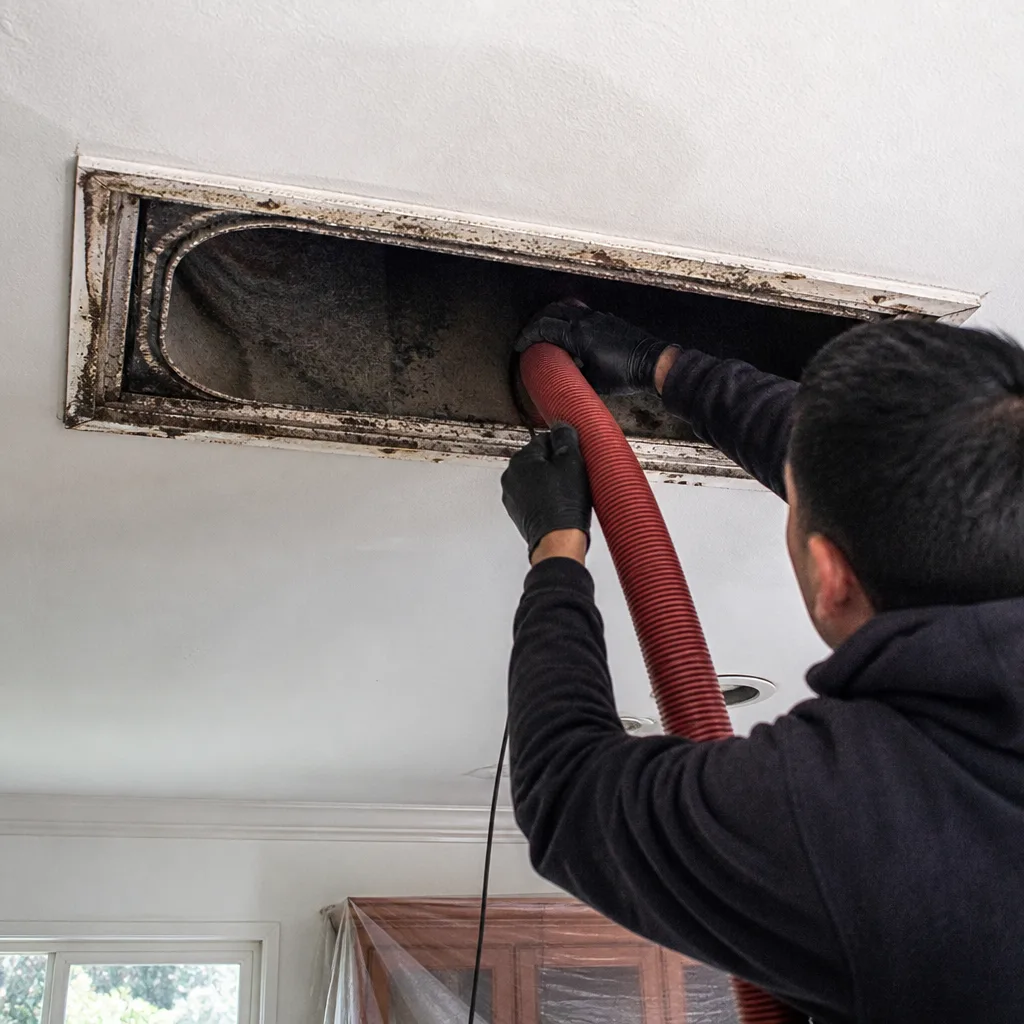 Before
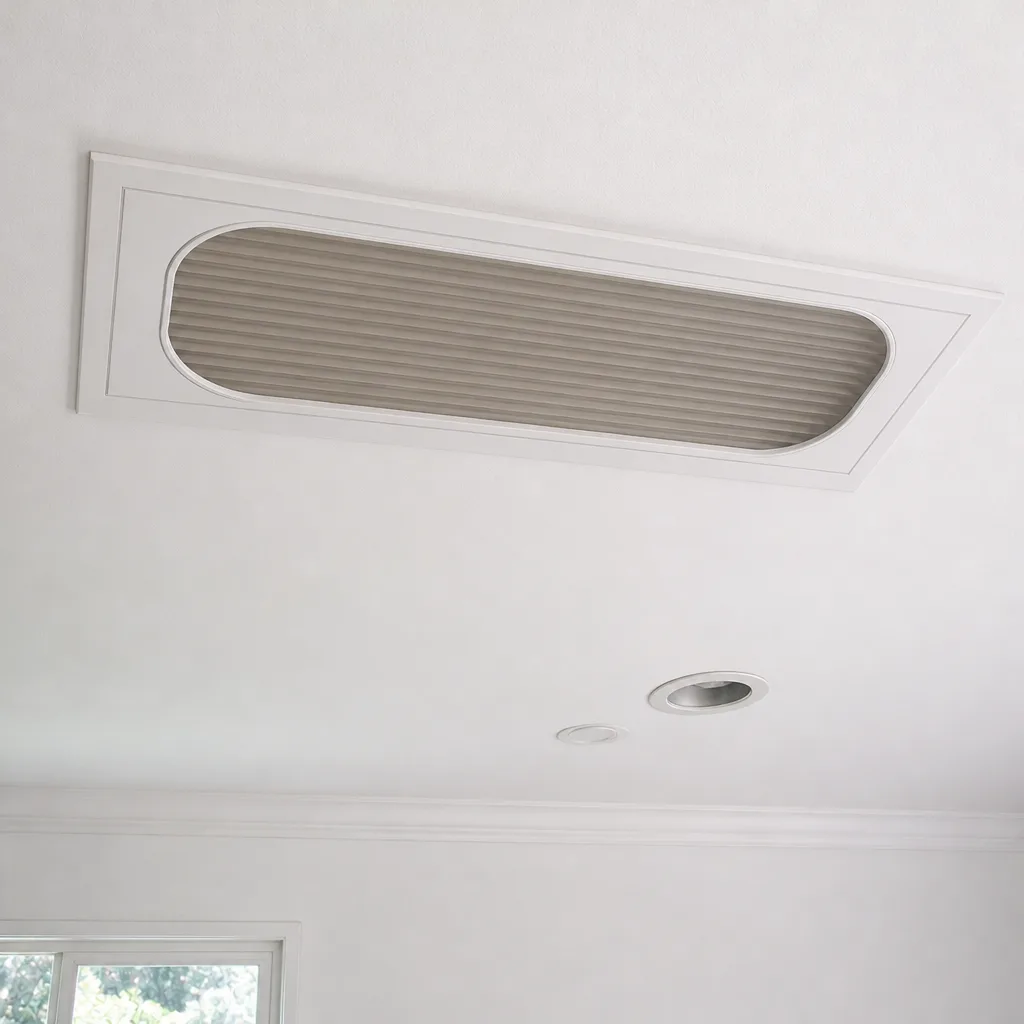 After
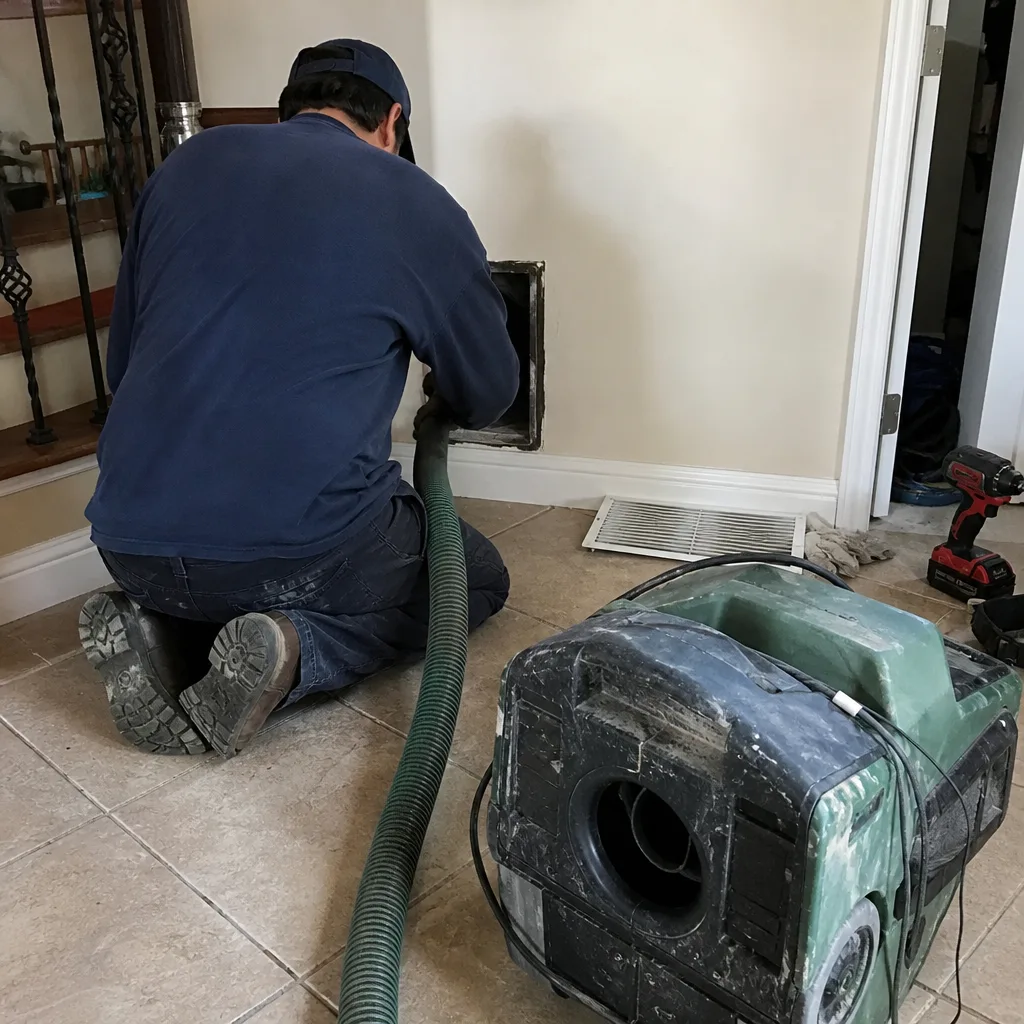 Before
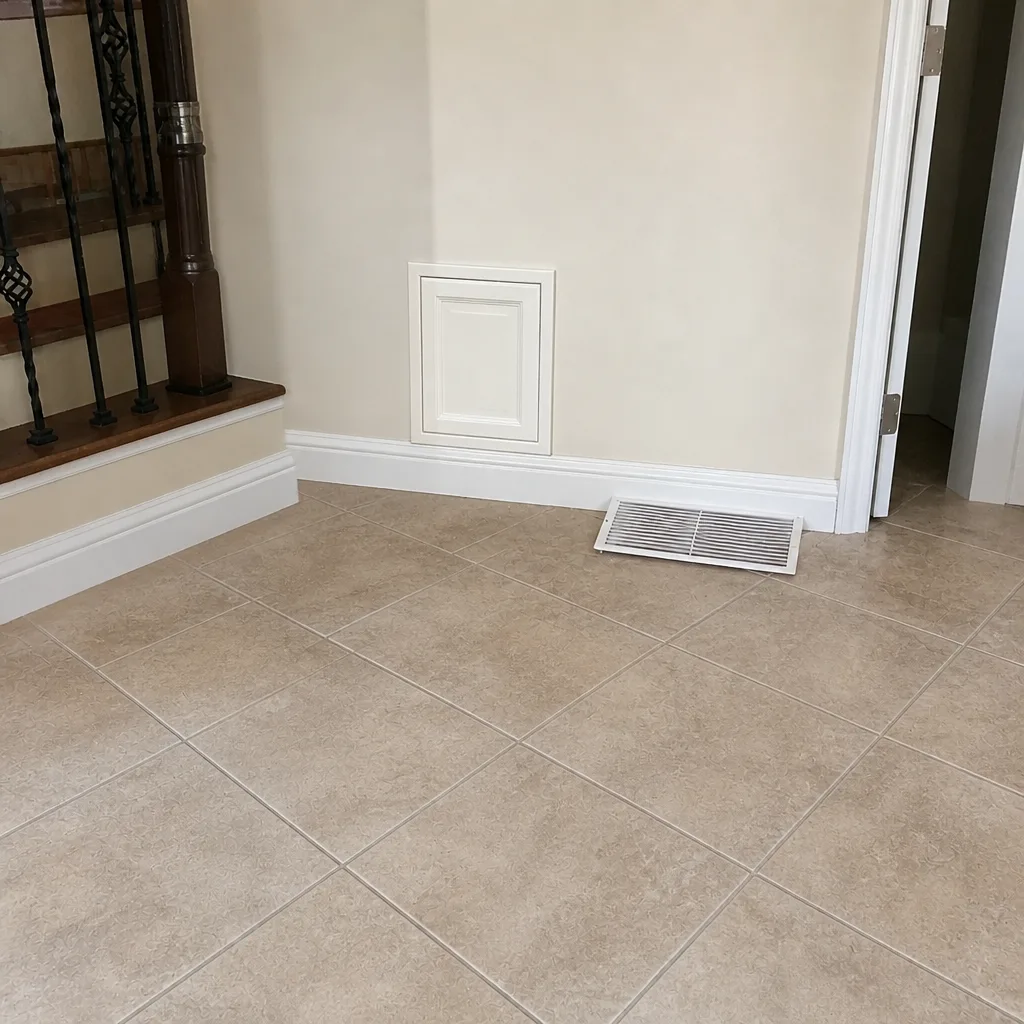 After
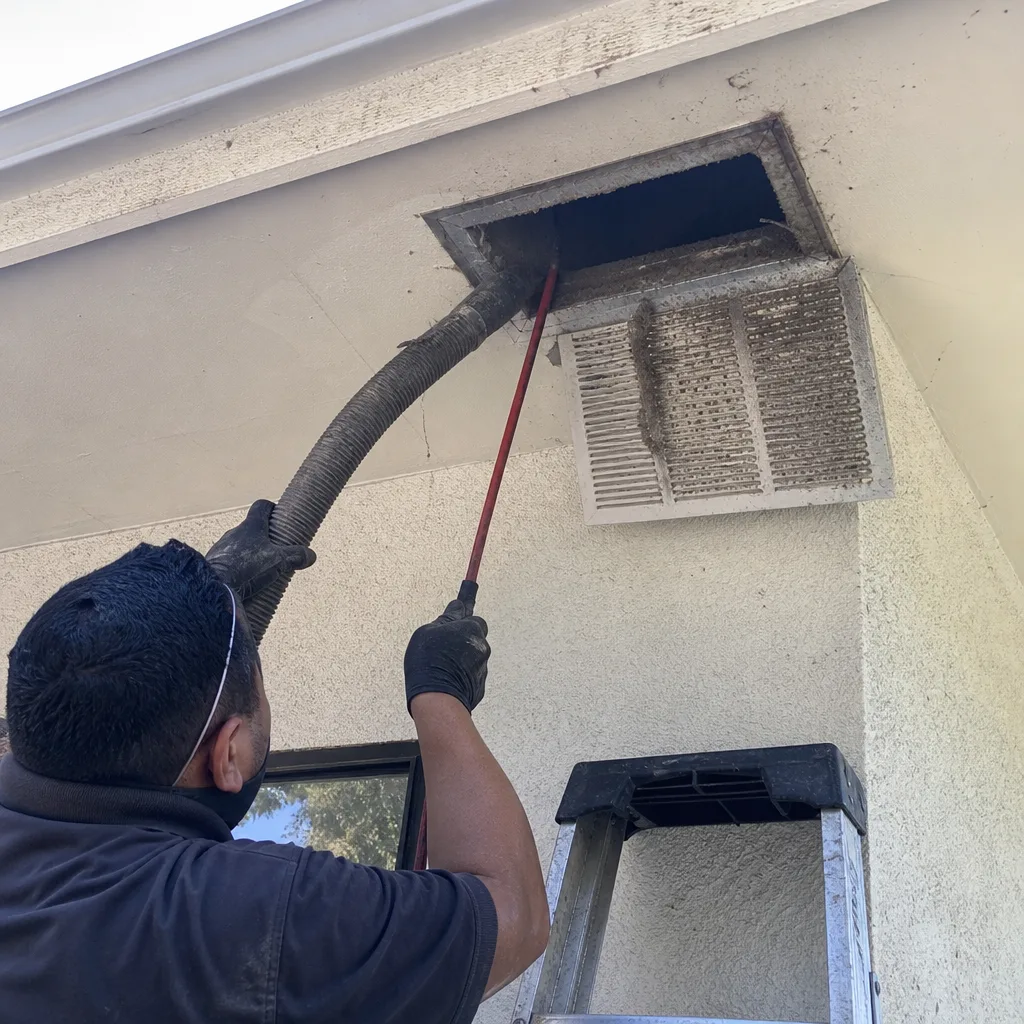 Before
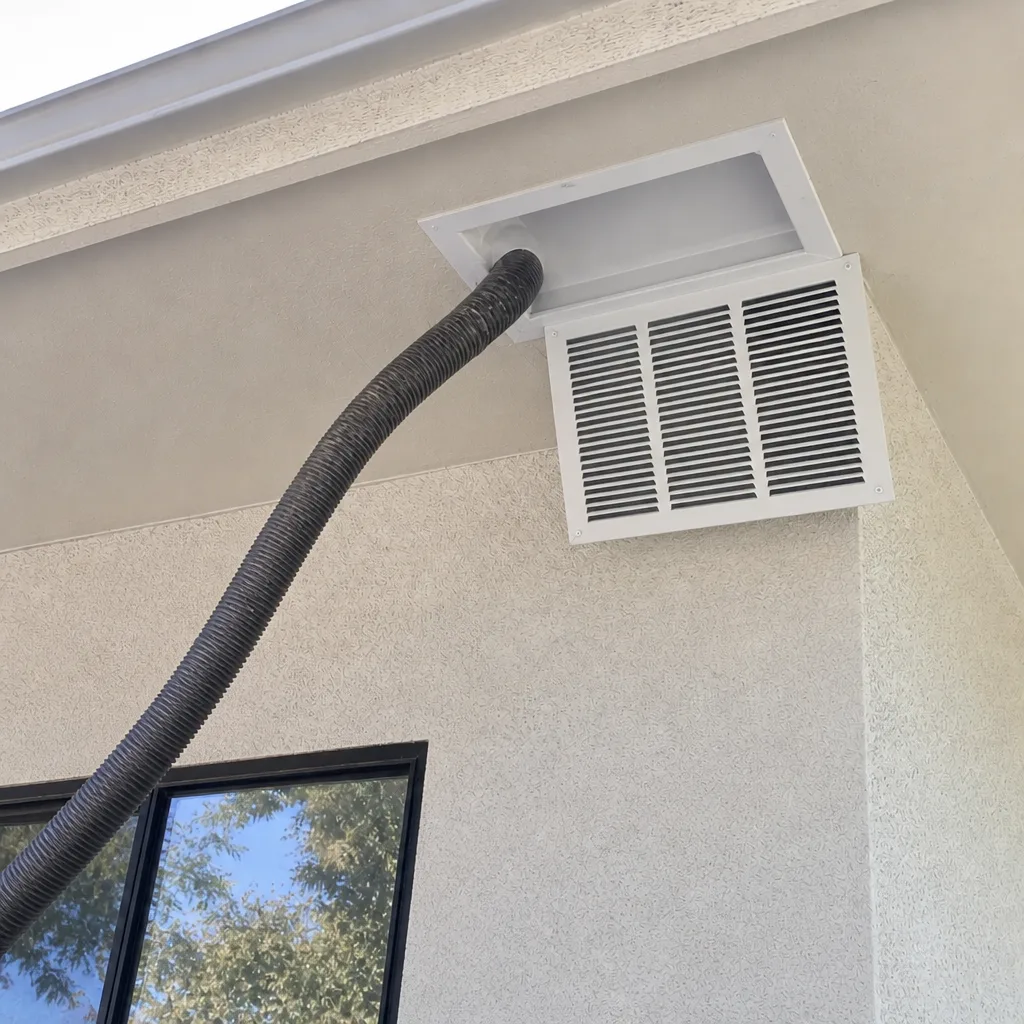 After
When to Call a Professional
Not every dusty house needs a full-system clean. But there are specific situations where calling a professional is the right move: visible dust at the supply registers days after cleaning your house, a musty smell that returns whenever the HVAC runs, rising energy bills with no other obvious cause, a recent renovation, a new baby or a household member with allergies, or signs of moisture or microbial growth around the coil. Those are all things a trained technician can diagnose and address with the right equipment. Air Duct Cleaning Turtle Rock offers free estimates in Turtle Rock. Call (833) 700-4234. We answer 24/7. Fast dispatch from 7am to 7pm, Sunday through Friday. Our technicians have up to 11 years of experience and can walk you through a full-system scope before you book.
Frequently Asked Questions
Air duct cleaning in Turtle Rock is quoted per system, not per vent, with the written estimate setting the final price. A duct-only clean and a full-system clean are different scopes, and the difference in cost reflects the hours and equipment required for the blower, coil, boots, and sealing. Call (833) 700-4234 for a free estimate. We answer 24/7. Fast dispatch from 7am to 7pm, Sunday through Friday.
Cheap quotes usually reflect a smaller scope: registers only, or ducts only, without the blower and coil. Sometimes they also reflect lighter equipment (a shop vac in place of a negative-pressure rig) or a per-vent price that grows once the technician is on site. The honest comparison is the written scope, not the headline number. Ask for both in writing, then compare. Call (833) 700-4234 for a free estimate on the full-system scope.
Before-and-after photos of your own ducts, blower, and coil are the simplest way to confirm the work was done. A full-system clean should also come with a written summary of what was found and what was sealed. If a company doesn’t mention photos, ask at booking. Call (833) 700-4234 to schedule an estimate.
There is no fixed interval that fits every home. The honest answer is that the schedule depends on your home’s evidence: how fast the return grilles and coil face load up, whether you have pets, whether there’s been a renovation, and how close the home sits to open canyon terrain in Turtle Rock. In our experience, homes backing Bommer Canyon accumulate returned dust faster and may need a visual check on a shorter cycle than more sheltered streets. Call (833) 700-4234 for a diagnostic visit and let the evidence set the schedule.
It reduces one source of dust: settled particulate in the air delivery system that gets stirred up every time the system runs. It does not eliminate dust generated in the rooms themselves. The full-system version (ducts plus blower plus coil plus sealing) delivers the biggest visible reduction because it closes the loop that re-contaminates clean ducts. Call (833) 700-4234 to talk through your home’s specific setup.
Yes. Dryer vent cleaning is a core service, and combining it with a duct clean is the natural way to cover both air pathways in one appointment. Lint in the dryer vent is a real fire risk, so addressing it at the same time makes practical sense. Call (833) 700-4234 to book both together.
The Bottom Line
Duct cleaning is only as good as the scope behind it. A duct-only job cleans the middle of the air delivery system and leaves the blower, coil, boots, and open joints exactly as they were. A full-system clean covers every component, uses professional-grade equipment (Rotobrush, Nikro, Abatement Technologies) rather than a shop vac, follows NADCA ACR as the baseline, and seals what it finds. In Turtle Rock, the combination of tight construction, flex duct in the attic, and Bommer Canyon particulate loading makes the full-system approach worth the extra hours. Duct cleaning, dryer vent cleaning, HVAC cleaning, duct repair and sealing, and air sanitizing all sit under one roof, and we use Honeywell and Aprilaire products when filtration or humidity control is part of the answer. Before you book, ask for the written scope, the equipment names, and before-and-after photos. Those three things will tell you more than any price comparison.
Air Duct Cleaning Turtle Rock provides air duct cleaning, dryer vent cleaning, HVAC cleaning, duct repair and sealing, and air quality sanitizing across Turtle Rock and the surrounding Irvine neighborhoods. Every job starts with a free estimate and ends with photos of your own system. Call Air Duct Cleaning Turtle Rock at (833) 700-4234 for a free estimate. We answer 24/7. Fast dispatch from 7am to 7pm, Sunday through Friday. Our technicians have up to 11 years of experience, and one flat price per system is agreed before any work starts.
Written by the team at Air Duct Cleaning Turtle Rock.