
Last updated November 24, 2026
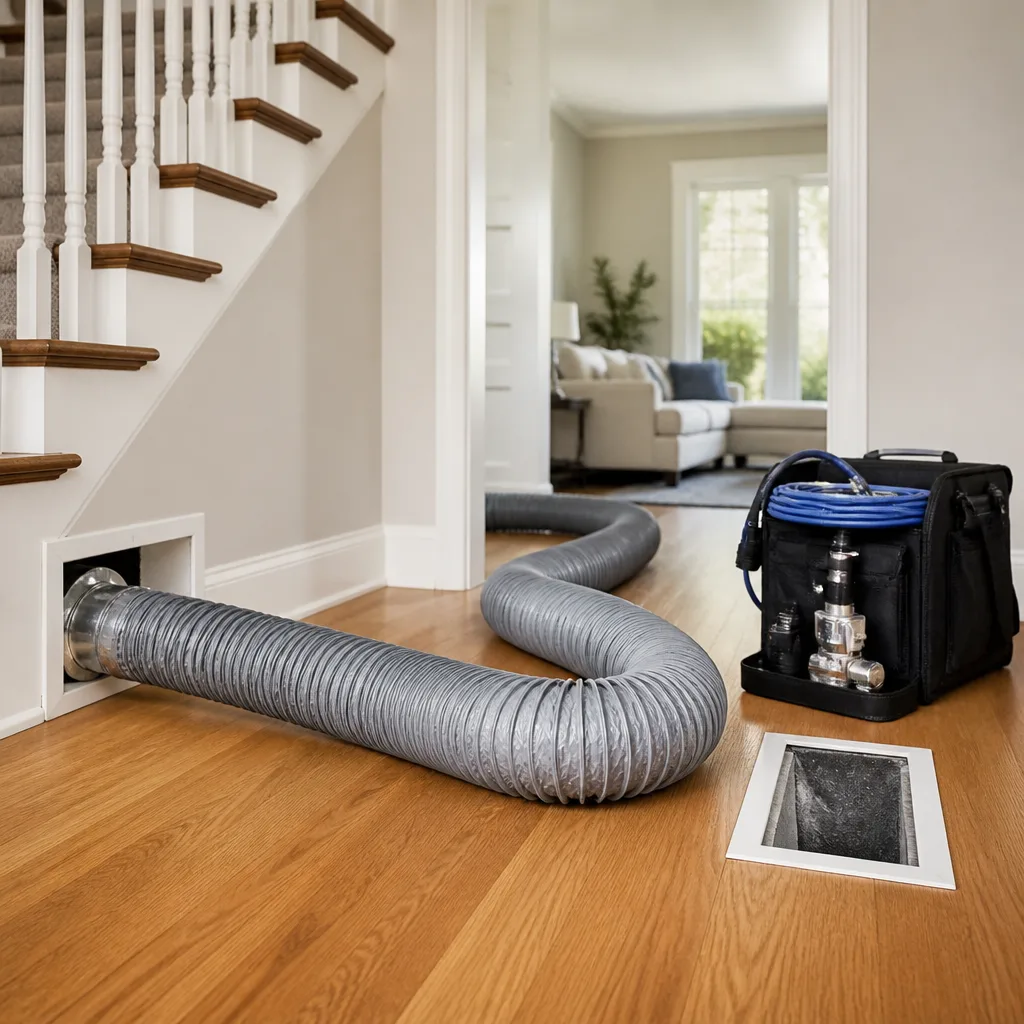 Whole-home duct cleaning
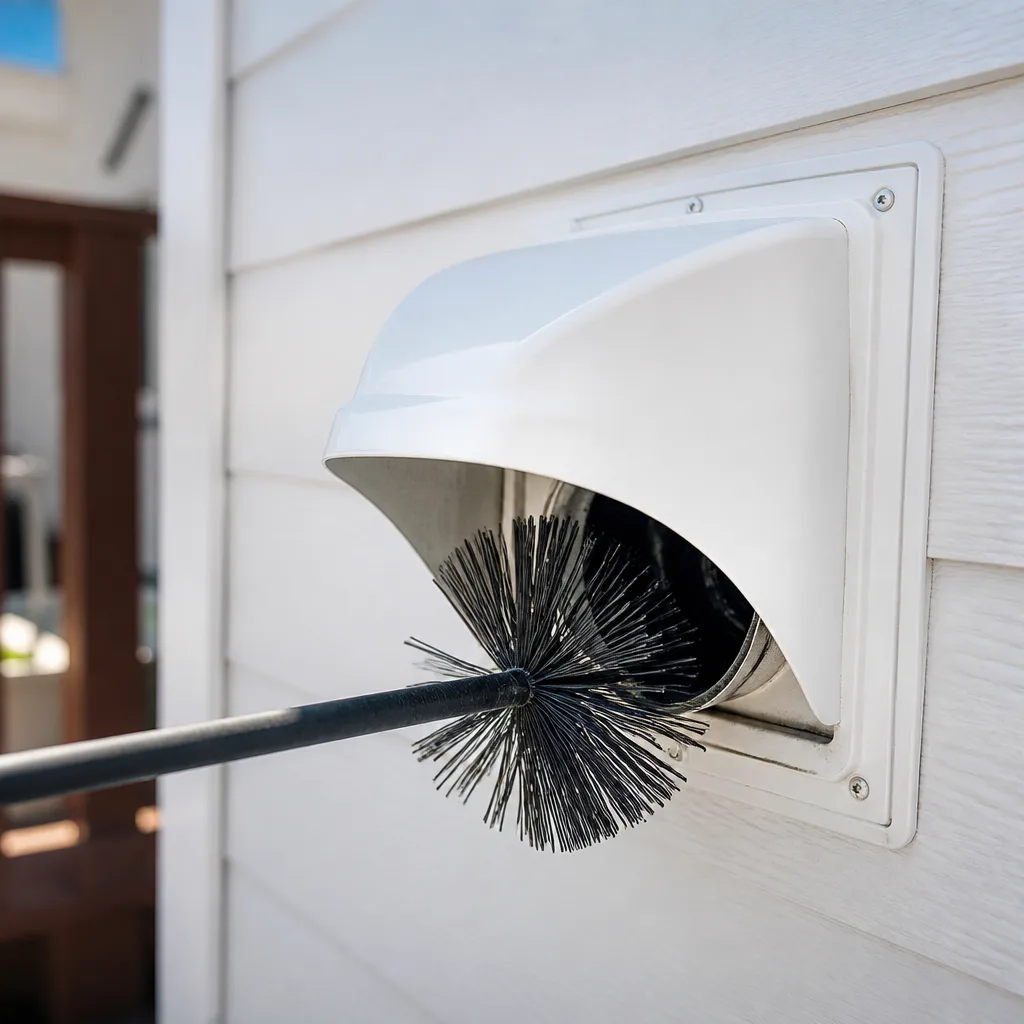 Dryer vent cleaning
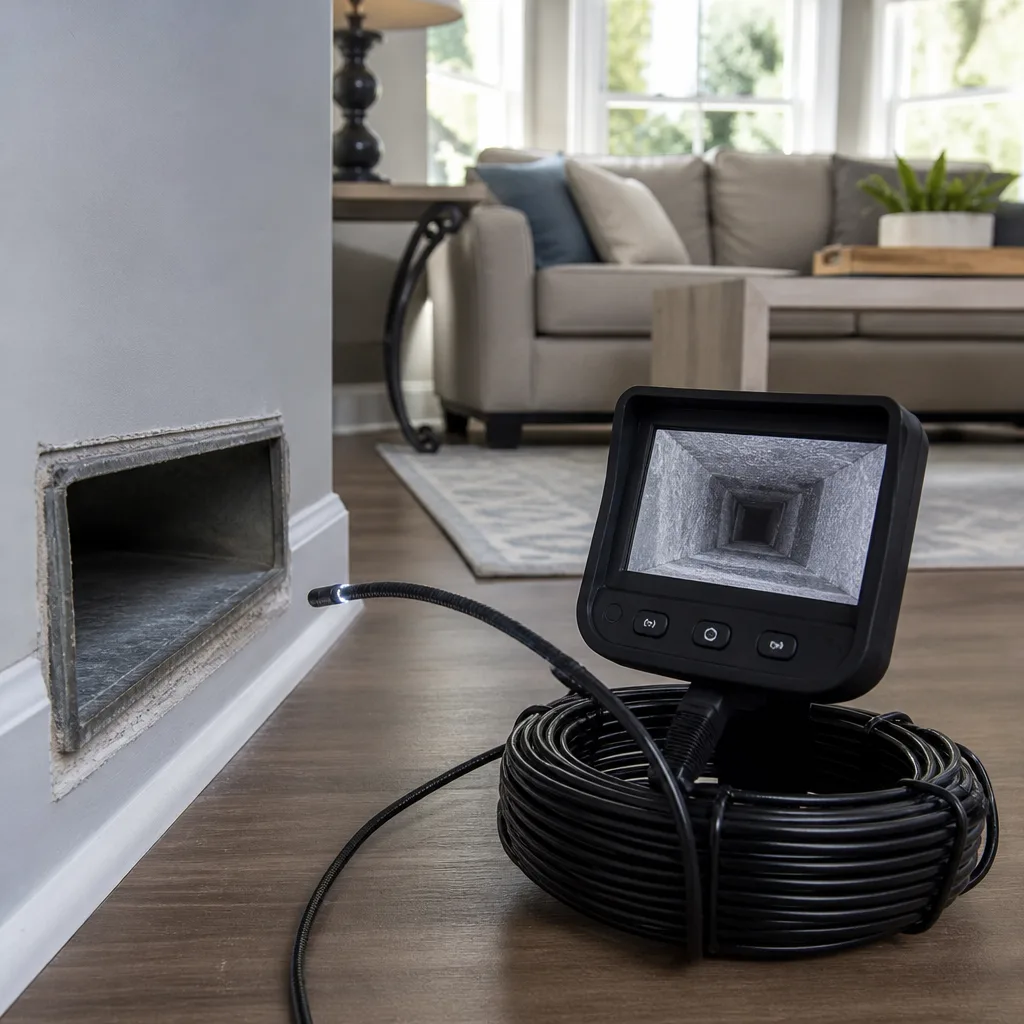 Camera inspection
 Sanitizing & deodorizing
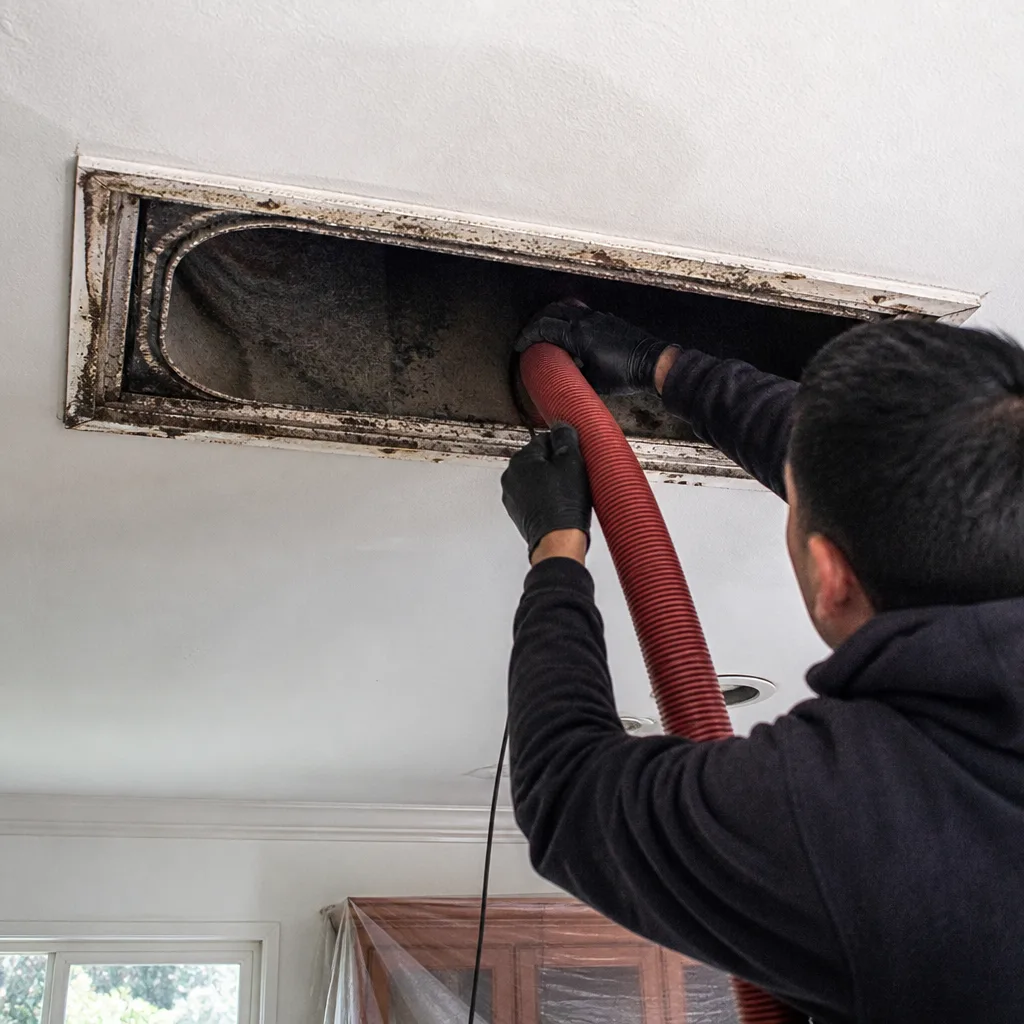
Whole-system duct and dryer vent check with before-and-after photos - you see exactly what came out of your vents
That "$99 whole-house special" is a bait ad - the real number appears once they are in your hallway, or the "clean" is a shop-vac at the register. We photograph the inside of your ducts before and after instead.
Air Duct Cleaning Maintenance Checklist for Turtle Rock Homeowners
Most air duct checklists tell you to check your filter monthly. That instruction is so vague it gets ignored, and it’s the reason so many Turtle Rock homeowners either skip maintenance entirely or pay for cleaning on a schedule that has nothing to do with what their system actually needs. A useful checklist isn’t a reminder list. It’s a diagnostic tool. The real signals that tell you your ducts are degrading hide in plain sight: the number on your utility bill, the water in your coil drain pan, the dust pattern on your supply registers. This guide teaches you to read those signals, sort them into a priority order, and know exactly when a DIY check becomes a professional call.
Quick Answer
A practical air duct maintenance checklist for Turtle Rock homeowners runs on three tracks: a monthly visual pass (filter, grilles, drain pan), a seasonal pass timed to Southern California’s wildfire smoke season and Santa Ana wind periods, and a documentation log you update after every service. Cleaning is warranted when you see specific threshold signals, not on a fixed calendar. Most homes in Turtle Rock need a professional inspection when filters load up in under 30 days, when grilles show biofilm rather than ordinary dust, or when a remodel or HVAC replacement has left debris in the system.
Styles & brands we work with
- Whole-home duct cleaning
- Dryer vent cleaning
- Camera inspection
- Sanitizing & deodorizing
Table of Contents
- Why This Checklist Is a Diagnostic Tool, Not a Calendar
- Reading Filter Restriction Without a Manometer
- The Seasonal Track: Wildfire Smoke Season vs. Santa Ana Winds
- Inspecting Supply and Return Grilles for Biofilm vs. Dust
- What Your Coil Drain Pan Tells You
- The Documentation Log That Protects Your Home’s Value
- Thresholds That Escalate a DIY Check to a Professional Call
- What a Full-System Cleaning Actually Covers
Why This Checklist Is a Diagnostic Tool, Not a Calendar
A calendar checklist assumes every home degrades at the same rate. They don’t. A Turtle Rock house with two occupants, a well-sealed return, and a newer variable-speed air handler may stay clean far longer than a comparable home down the street with three pets, an open return, and a system pulling air from a dusty garage. The difference isn’t luck. It’s measurable, and the measurements are things you can observe without instruments.
The trap of a fixed schedule runs in two directions. On one side, homeowners pay for cleaning that the system didn’t need, because a reminder popped up. On the other, they wait until the ducts are packed with debris and the blower is straining, because no one ever told them what a loaded system actually looks like. Both mistakes cost money.
Here’s the principle behind everything that follows: clean air starts at the source, and the source reveals itself through pressure, moisture, and deposition patterns. Your checklist’s job is to notice those patterns on a schedule. The cleaning schedule then follows the evidence.
A working checklist in Turtle Rock has three tracks running in parallel:
- Monthly visual pass. Filter, supply grilles, return grilles, and the coil drain pan. Five minutes, no tools.
- Seasonal pass. Timed to the two weather patterns that actually load a Southern California duct system: wildfire smoke season and Santa Ana wind periods.
- Post-service documentation. A written log you update after every cleaning, HVAC replacement, or remodel. This one is the most valuable and the most ignored.
Each track takes minutes. Together they give you a defensible picture of your system’s condition, which matters whether you’re deciding on a cleaning or preparing to sell.
Reading Filter Restriction Without a Manometer
HVAC technicians measure filter restriction with a manometer, a device that reads pressure drop across the filter. You don’t need one. A filter is doing its job as a captured-debris indicator, and you can read it directly. What you’re looking for is loading rate, not appearance on any given day.
The loading rate is the real diagnostic. A filter that looks gray after 30 days of normal operation is normal in a dusty environment. A filter that is visibly clogged in 14 to 21 days is a signal that too much particulate is entering the return, which points to gaps in the return ducting, an open return path near a living space, or a filter that’s undersized for the airflow. That second pattern accelerates everything downstream: coil fouling, blower wear, and reduced cooling capacity during a long Turtle Rock summer.
Here’s the numbered check we recommend:
- Note the filter’s install date in your log. Mark it with a pencil on the filter frame edge.
- At 14 days, pull the filter and hold it to a light source. If you can see through it evenly, the loading rate is normal.
- At 30 days, check again. If the filter is substantially loaded, note the date and compare to the last interval.
- If two consecutive filters load in under 21 days, stop changing filters and investigate the return path. That’s a duct problem, not a filter problem.
- If the filter stays clean past 90 days, verify it’s actually seated in the return slot. A filter sitting loose or bypassed at the edges reads as “clean” while doing nothing.
Filter selection matters alongside the loading rate. A high-MERV filter that restricts airflow on an older air handler can cause more harm than a moderate-efficiency filter. Our technicians work with Air Duct Cleaning Turtle Rock systems and with air duct cleaning customers who want their filter choice matched to their equipment, not simply upgraded to the highest rating available. That’s what filtration and airflow compatibility means in practice. It’s also where Aprilaire and Honeywell filtration products earn their place: they’re specified to the system, not sold as standalone upgrades.
The Seasonal Track: Wildfire Smoke Season vs. Santa Ana Winds
Southern California’s duct loading cycle isn’t four seasons. It’s two events, and they don’t behave the same way. Wildfire smoke season delivers fine particulate over weeks, a slow deposit pattern that coats interior surfaces and loads filters gradually. Santa Ana wind periods deliver coarse particulate at high velocity, a burst pattern that can push dust and debris past a marginal filter seal in a matter of hours.
Your seasonal checklist should split the two:
- Before wildfire smoke season begins: confirm the filter fits with no gaps at the edges, check the return and supply grilles for existing accumulation, note the coil drain pan’s water level (more on that below). A clean starting point matters because smoke-season loading on a pre-loaded filter overwhelms the system quickly.
- During heavy smoke periods: check filter load weekly. Consider a moderate-to-high-efficiency filter only where the air handler is rated for the resulting restriction.
- After a Santa Ana event: check exterior intake screens and inspect interior supply grilles for visible deposits. Notice any dust settling on nearby surfaces. That pattern tells you whether the system pulled the event air through or whether it’s recirculating internally.
This is where a duct system without a proper filter seal fails. Even a modest gap around a filter frame lets Santa Ana wind-driven particulate bypass filtration and accrue directly on the coil and duct interior. Sealing that path is part of the full-system thinking behind we seal what we find. Duct repair and sealing belongs on the seasonal checklist, not on a repair-only call, for the same reason: a gap that’s cheap to close now becomes a coil cleaning later.
One more seasonal note. Santa Ana periods also elevate lint loading in dryer vent terminations, because the same dry wind that drives particulate into the home also accelerates lint accumulation at the exterior hood. That connection becomes relevant in the dryer vent cleaning section below.
Inspecting Supply and Return Grilles for Biofilm vs. Dust Accumulation
Grille appearance tells you two different things depending on where the accumulation sits and what it looks like. Ordinary dust is dry, gray-to-brown, soft, and settles on the grille face where supply air pushes outward. Biofilm is a different signal entirely. It looks like a dark, tacky film, often with a slightly irregular or wavy edge. It clings to grille surfaces rather than falling, and it reappears quickly after you clean it. Biofilm indicates moisture present on the duct interior or grille surface, not just particulate load.
The distinction matters because the remedies are different. Dust accumulation is a cleaning matter. Biofilm points to a moisture problem: a coil drain pan that’s overflowing, a return that’s pulling humid air from a crawl space or unconditioned attic, or condensation on a duct run that’s not insulated appropriately. Cleaning biofilm off a grille without fixing the moisture source is a repeating task with no resolution.
Here’s how to inspect systematically:
- Photograph each supply and return grille before cleaning. Note the date. The photo is your baseline.
- Clean the grille face with a dry cloth. Do not use a wet cleaner, which can drive dust into the grille mesh.
- Note the accumulation pattern: even face dust, dense corner buildup, or a wavy tacky film.
- Recheck after seven days. Ordinary dust returns gradually. Biofilm reappears faster and looks unchanged.
- Flag any grille with irregular buildup as a moisture lead. Check the drain pan and any nearby duct run for condensation.
Two grille patterns we watch for in Turtle Rock are worth naming. First, a return grille that shows heavy buildup while supply grilles are relatively clean indicates the return path is capturing debris before it reaches the system’s interior, which is better than the reverse. Second, a supply grille in one room that accumulates faster than every other supply in the home often indicates a partial duct obstruction upstream of that run, or a leak that’s pulling air from an unconditioned space into that branch.
Nothing about grille inspection requires a professional. The threshold below is what triggers the call.
What Your Coil Drain Pan Tells You
Your air handler’s evaporator coil pulls moisture out of the air as part of cooling. That moisture condenses on the coil and drips into a drain pan, which then drains through a condensate line. That drain pan is a diagnostic sensor, and it’s sitting there, unmonitored, in most homes. It tells you three things nothing else on your checklist reveals: whether the system is filtering as it should, whether the drain is clear, and whether humidity control in the home is working.
What to look for on each monthly check:
- Standing water in the pan. Some water during cooling operation is normal. Standing water when the system is off, or an overflow past the pan edge, points to a clogged condensate line. That’s a call, not a continued checklist item.
- Sludge or biological growth in the pan. Indicates the pan’s water has been sitting long enough to develop growth, which points to a slow drain or intermittent cooling operation.
- Dry pan during active cooling. Points to low humidity in the return air, which can indicate a leak in the return ducting pulling dry outdoor air or an undersized return pulling air from a conditioned space that’s already dry.
- Coil surface appearance. A bright metallic surface with limited visible deposit is good. Dense even coating of dry dust means the filter is letting debris through or the filter seal is compromised. A dark or tacky coating points to biological growth.
The coil’s condition is one of the strongest indicators of whether the system needs HVAC cleaning. A fouled coil decreases cooling capacity and increases runtime, which shows up on your next utility bill. If your bills have risen without a rate change or an increase in usage, and the coil is visibly dirty, the coil is the likely cause.
Our technicians work on the coil and air handler with Rotobrush and Nikro systems designed for wet-coil environments. A shop vacuum cannot reach around and between coil fins without damaging the fin pack, so we advise against any DIY attempt at cleaning the coil surface with a consumer vacuum. Surface cleaning of the coil with home tools risks bending fins and taking the coil out of service.
The Documentation Log That Protects Your Home’s Value
A maintenance log isn’t a formality. It’s the part of your checklist that pays for itself at resale. When a buyer’s inspector asks for maintenance records and you have dated filter changes, grille photos, professional cleaning invoices, and duct inspection notes, your system’s condition is documented rather than assumed. That’s worth real money at negotiation, and it separates a home with maintained systems from one with a “we’ve always changed the filter” hand-wave.
Keep the log in one place. A folder, a shared document, or a binder works. What matters is that it’s complete and dated. Here’s the template we recommend:
- air duct cleaning service records. Date, service performed, company, equipment used (Rotobrush, Nikro, Abatement Technologies if mentioned on the invoice), and before-and-after photos attached.
- Filter changes. Date, filter type, MERV rating, and a note on apparent loading rate.
- Grille photos. One photo per grille, dated, taken before and after each cleaning.
- Coil inspection notes. Date, coil appearance, drain pan status, and any moisture note.
- Duct repair and sealing records. Date, location of the repair, and the method used.
- HVAC equipment notes. Date of replacement, brand, and model if available. Every new system install resets your duct system’s contamination baseline.
- Dryer vent cleaning records. Date and visual findings on lint accumulation.
The dryer vent section deserves its own note. Lint accumulation in a dryer vent is a documented fire risk (the NFPA cites it as a leading cause of residential fires), and it’s the one maintenance item on this checklist with a genuine safety dimension. The log records the date; the date tells you how far you are from the next cleaning interval appropriate to your dryer usage. High-frequency households need more frequent vent cleaning than low-frequency ones, and the log is how you find your interval.
One more approach to the log: a property manager keeps a single system record per home that transfers with the property at sale. That way the buyer inherits a maintenance history rather than a set of assumptions.
Thresholds That Escalate a DIY Check to a Professional Call
A checklist without thresholds isn’t a diagnostic tool. It’s a hobby. Here are the specific conditions that take a DIY observation and turn it into a call for a professional inspection. In our experience, these thresholds are the divide between “watch it” and “address it.”
- Filters load in under 21 days twice in a row. Points to return-duct leakage or an oversized return path pulling unfiltered air. Not solvable with a higher-MERV filter.
- Biofilm on any grille, or a dark tacky coating on the coil. Points to a moisture source and possible biological growth. Needs an inspection of duct interior, not just a clean.
- Standing water in the coil drain pan when the system is off, or overflow past the pan edge. A clogged condensate line, and a potential water damage path. Same-day attention.
- Visible dust settling on furniture within a day of cleaning the room. Points to a duct leak at a supply branch or a return opening near living space. Duct repair and sealing needed before any cleaning.
- Rising utility bills with unchanged usage and unchanged rates. Points to coil fouling, blower restriction, or duct leakage. Worth a system-wide inspection.
- Musty odor when the system runs, especially at first cycle. A moisture and biological-growth signal, distinct from ordinary dust smell.
- Any local exhaust or dryer vent that takes noticeably longer to clear or dry. Lint accumulation or a partially blocked vent path. Safety-scale threshold.
- Any completed remodel, HVAC replacement, or pest activity in the duct system. Debris introduction always warrants an inspection regardless of your calendar position.
None of these require you to attempt a repair yourself. High-tension components aside, duct interior work and coil work are the kind of task where the wrong cleaning method causes more harm than the dirt. Duct interior cleaning with a consumer vacuum can dislodge debris into airflow that then deposits downstream.
What a Full-System Cleaning Actually Covers
The word “cleaning” covers a wide range of actual services. A full-system approach treats every component of the air pathway as part of one job, rather than separating duct cleaning from HVAC cleaning from dryer vent cleaning into separate contractor visits. That’s what from the duct to the vent to the filter means in practice, and it’s where an approach built for air quality, not just air movement differs from scrubbing the visible duct run and calling it complete.
The five things a full-system cleaning includes:
- Air duct cleaning. Rotobrush and Nikro professional-grade systems push air and simultaneously capture debris at the return. Not the consumer-grade vacuums used for surface cleaning.
- Dryer vent cleaning. Lint extraction from the full vent path, from the dryer’s interior connection through the exterior termination, addressing the NFPA-cited fire risk.
- HVAC cleaning. Coil, blower, and air handler surfaces cleaned in place, respecting the fin pack and the wet-coil environment.
- Duct repair and sealing. Any leak, gap, or disconnected run found during the cleaning is sealed before the job closes.
- Air sanitizing. Treatment of the cleaned duct interior to address residual biological growth and fine particulate, using Abatement Technologies equipment where high-level contaminant extraction is required.
The equipment is the differentiator here. Consumer-grade vacuums and shop vacs aren’t shaped or powered for duct work: they don’t reach far enough, they don’t agitate the duct interior with enough force, and they don’t capture fine particulate. Rotobrush and Nikro systems were developed for contractor use and are the same class of equipment used by commercial and restoration contractors. Abatement Technologies equipment is a further step up for jobs that need serious particulate and contaminant extraction.
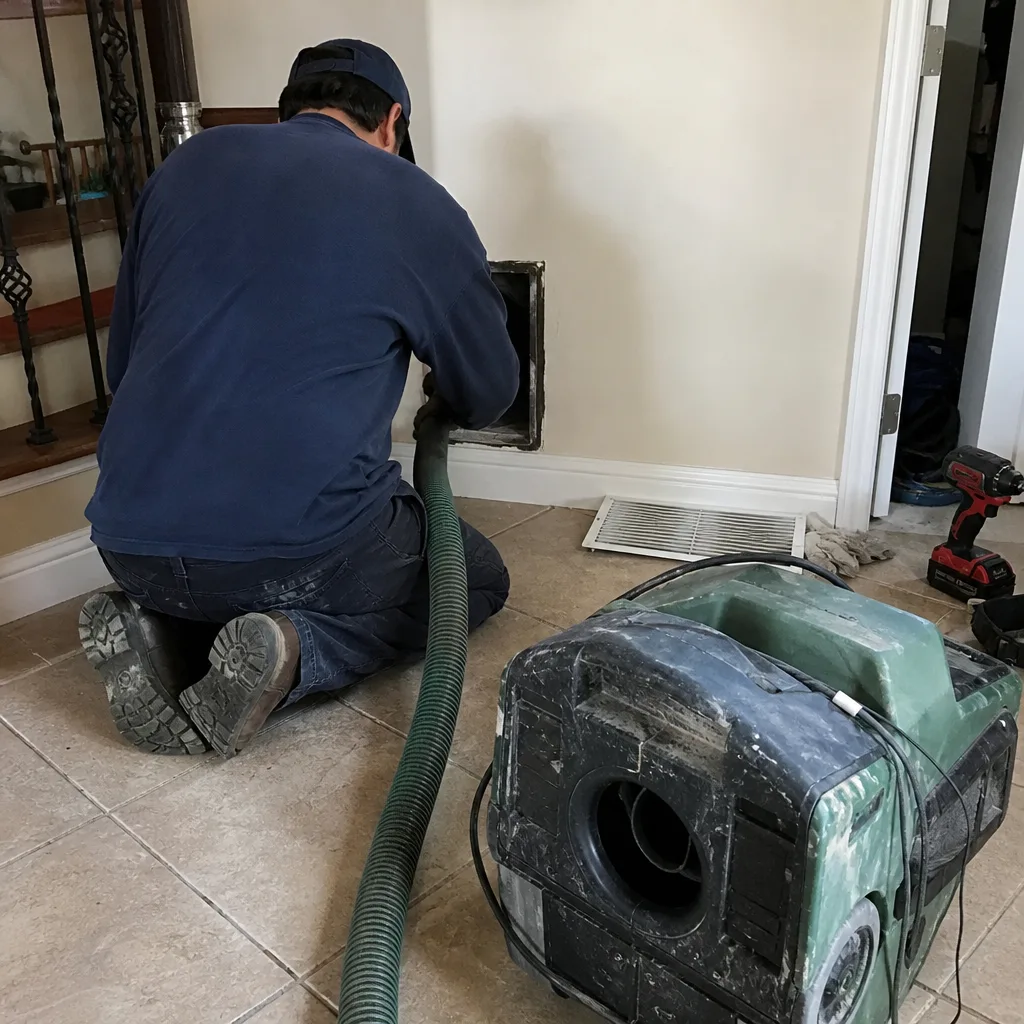
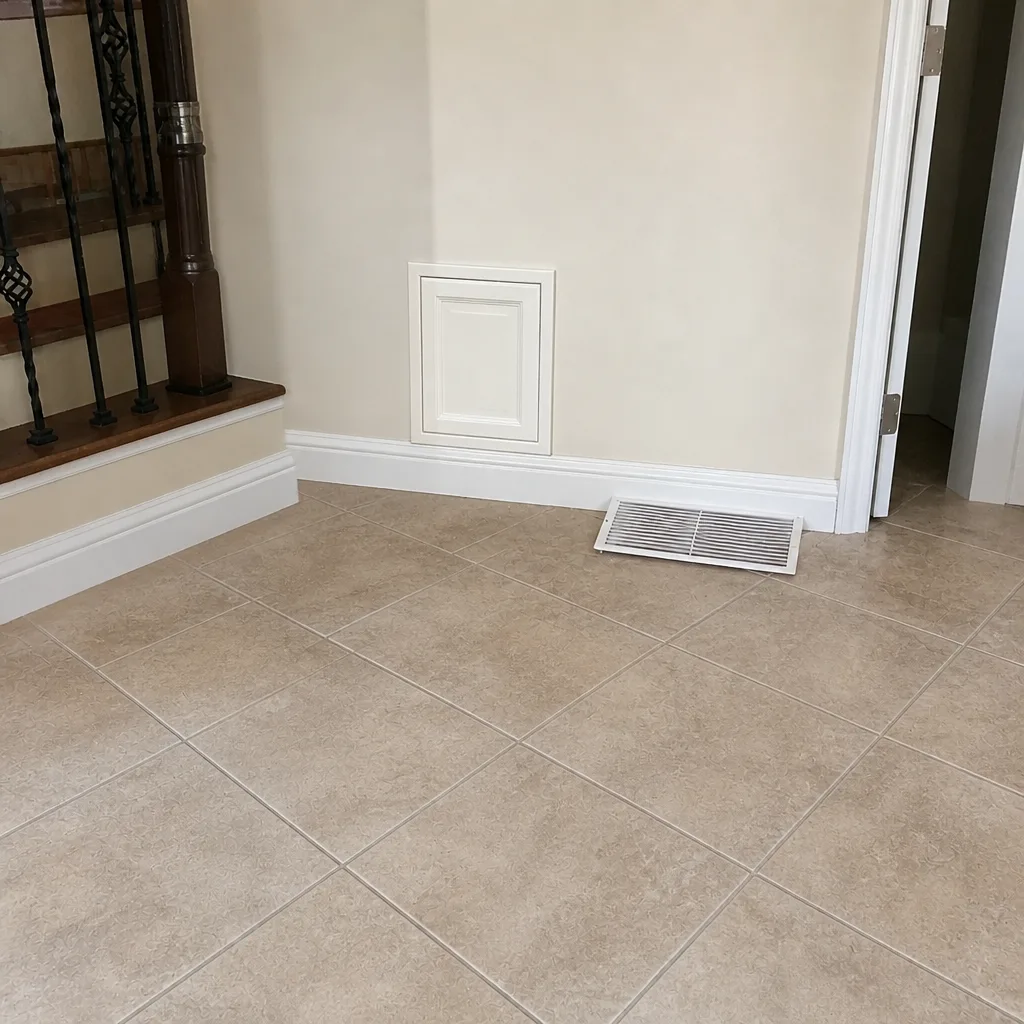
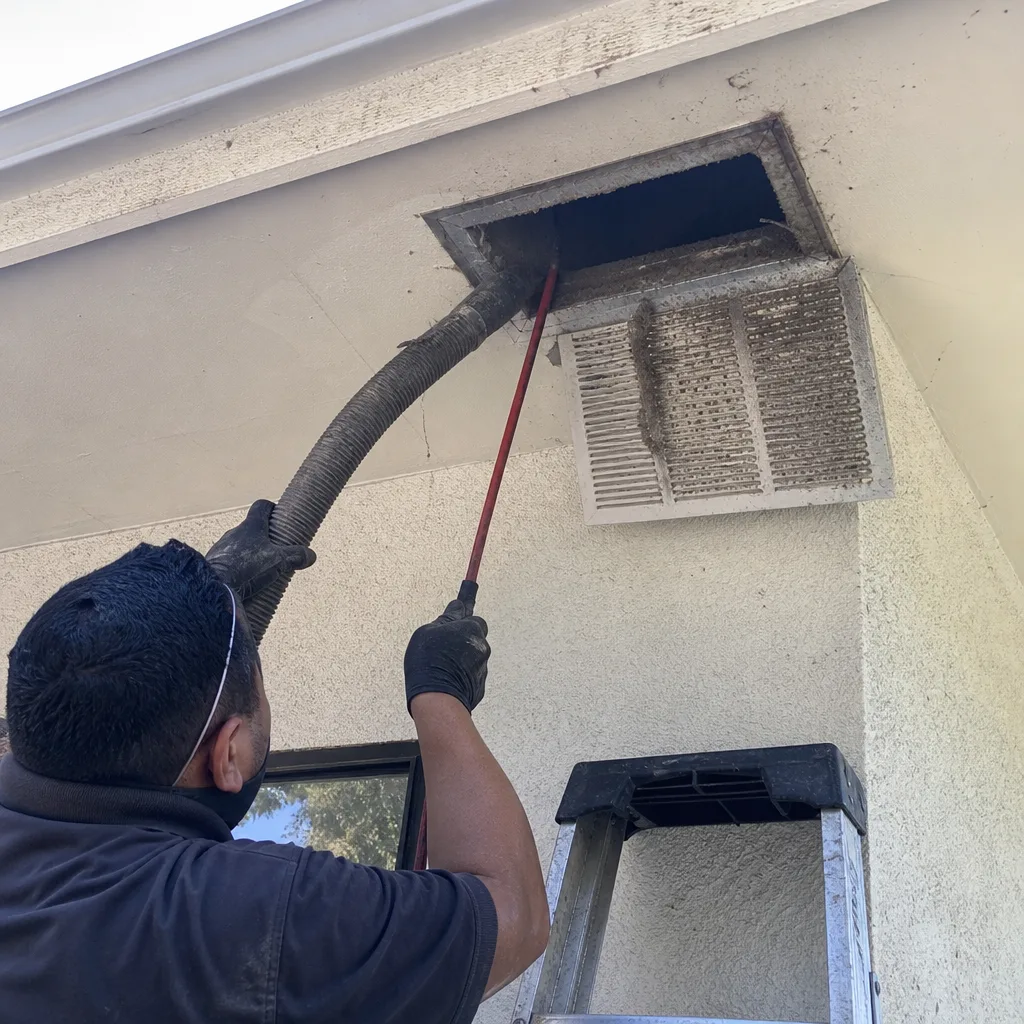
The one guarantee we offer alongside the cleaning is a flat price per system agreed before work starts. That’s the answer to the biggest complaint in this trade: the bait-and-switch pricing structure where a coupon becomes a much larger invoice once the technician is on site. No per-vent pricing, no surprises after. Before-and-after photos of your own ducts accompany the service. If a job has been quoted as per-vent pricing, that’s the flag that the final invoice won’t match the initial estimate.
Sealing is part of the same job because a cleaning that leaves leaks unaddressed will re-contaminate quickly. That’s the logic behind we seal what we find. And the filtration piece covers any Honeywell or Aprilaire air quality solution installed in the home, so the cleaning, the sealing, and the filtration system all remain in sync.
Common Mistakes to Avoid
- Cleaning on a fixed calendar regardless of load. A schedule-driven cleaning buys service the system may not need. Turtle Rock homes vary widely in dust loading, and the checklist’s job is to say when the cleaning is warranted.
- Ignoring the loading rate and only watching the filter’s appearance. A clean-looking filter can be sitting loose in its slot, doing nothing. Look at the loading rate over two consecutive filter changes, not just one look at the filter mesh.
- Using a wet cleaner on grilles and coil surfaces. Wet cleaners drive dust deeper and can promote growth where moisture remains. Dry cloth only for grille cleaning, and only a trained professional touches the coil.
- Treating grille biofilm as ordinary dust. Ordinary dust cleaning removes the surface appearance of biofilm but not its source. If the film returns quickly, the real problem is moisture, and it needs an inspection.
- Skipping the coil drain pan on the monthly check. A clogged condensate line is one of the more expensive seasonal issues that starts as a small observation. Check the pan every month.
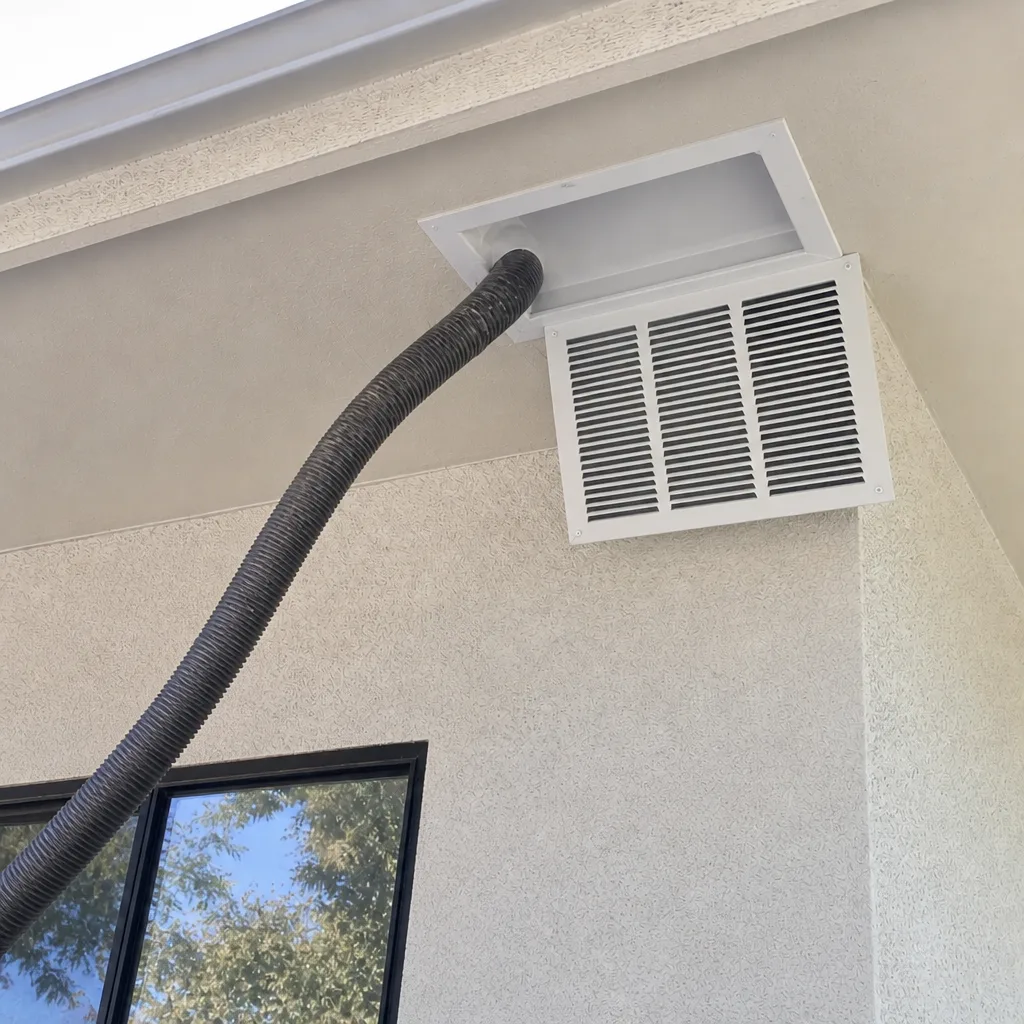
- Letting the dryer vent fall off the checklist because it’s not technically a duct. It’s a core service and one of the few maintenance items on this list with a documented fire-risk reduction. Vent lint accumulation doesn’t announce itself.
- Skipping documentation after each service. Without dated records, your maintenance history is unverifiable at resale, and every future decision about timing starts from zero. The log is the cheapest protection on this checklist.
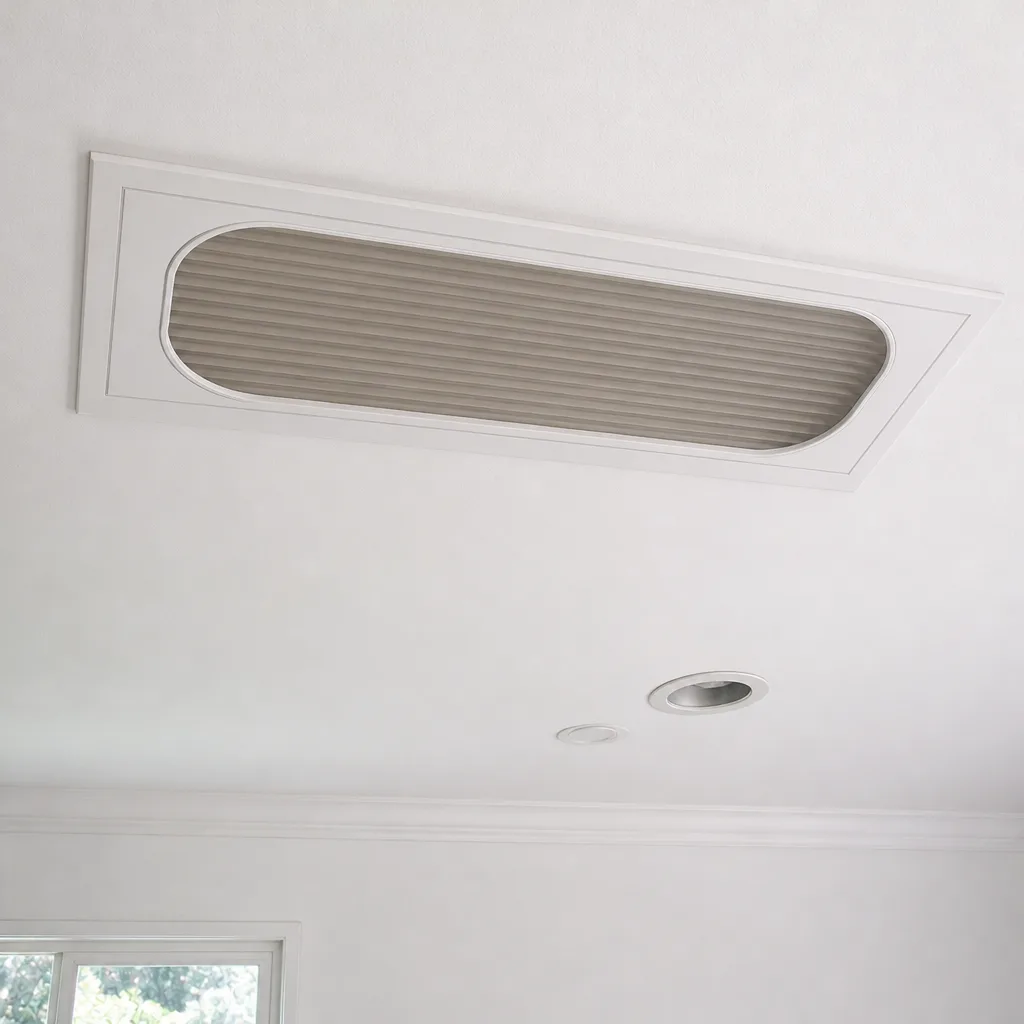
See the difference
 Before
 After
 Before
 After
 Before
 After
When to Call a Professional
Call a professional when you’ve observed a threshold from the list above, not before. The specific triggers: filters loading in under 21 days twice in a row, biofilm on any grille or tacky accumulation on the coil, standing water in the coil drain pan, visible dust settling rapidly on furniture after cleaning, rising utility bills without a corresponding usage increase, a musty odor at the start of every cooling cycle, or any dryer vent that takes noticeably longer to dry a load.
We also take calls for post-remodel inspections, HVAC replacement follow-ups, and pre-sale documentation reviews. All services in our scope come with a free estimate. Air Duct Cleaning Turtle Rock offers free estimates in Turtle Rock and the surrounding area: call (833) 700-4234. We answer 24/7. Fast dispatch, 7am-7pm.
Our technicians have up to 11 years of experience working on duct systems in the wide range of housing stock around Turtle Rock, which means we can usually tell from the intake call whether the problem is a filter issue, a sealing issue, or a full cleaning. That saves you a service visit when it’s not needed.
Frequently Asked Questions
Most Turtle Rock homes need professional duct cleaning every three to five years, but the honest answer is that the interval depends on your signals, not a calendar. Homes with pets, recent remodels, high wildfire smoke exposure, or filters that load quickly may need attention more often; well-sealed homes with moderate occupancy can go longer. Track your loading rate and threshold observations in your log, and let those observations tell you when the next cleaning is due. Call (833) 700-4234 for an inspection estimate if you’re unsure.
Pricing varies by system size, number of registers, and accessibility, and we quote per system rather than per vent. The estimate is free, and the written estimate sets the final price. Call (833) 700-4234 for an exact quote on your system.
A cheap quote usually reflects either a partial cleaning (only the visible supply runs), a lower-capacity vacuum that can’t reach deep duct interior, or per-vent pricing that expands once the technician is on site. The job scope and equipment class differ, not just the price. Ask what equipment will be used and whether duct sealing is included before comparing quotes. Call (833) 700-4234 to see how a full-system estimate is structured.
Ask for before-and-after photos of your own ducts. A photo shows interior duct condition that the invoice alone can’t confirm. We provide these on every job, and the flat price per system is agreed before work starts. Call (833) 700-4234 to schedule an inspection and see the process.
No. A shop vacuum can’t reach deep duct interior, doesn’t agitate deposits with enough force to lift them, and doesn’t have the collection capacity to capture the fine particulate. Consumer-grade vacuums are not designed for duct interior cleaning and in many cases redistribute debris downstream into the HVAC coil, which then requires a coil cleaning you didn’t need before. Call (833) 700-4234 to have the system checked properly.
Duct cleaning addresses the supply and return ductwork and grilles. HVAC cleaning addresses the air handler, evaporator coil, and blower, which sit inside the HVAC unit itself and are the components that accumulate moisture and biological growth. A full-system approach covers both, plus dryer vent cleaning, duct sealing, and air sanitizing. Call (833) 700-4234 to discuss which of the five services your home actually needs.
The Bottom Line
A duct maintenance checklist is only useful if it tells you when cleaning is warranted, not just that it’s recommended. The three signals that matter most are filter loading rate (how fast your filter clogs), coil drain pan status (standing water or biological growth), and grille appearance (biofilm versus ordinary dust). Track those three monthly, layer on the two seasonal tracks for wildfire smoke and Santa Ana winds, and log everything you see and every service you have done. That combination gives you a defensible record, avoids premature cleaning, and flags the thresholds that justify a professional call. When you’ve hit a threshold, the estimate is free.
Call (833) 700-4234 for a free estimate. We answer 24/7. Fast dispatch, 7am-7pm.
Written by the team at Air Duct Cleaning Turtle Rock.