
Last updated November 24, 2026
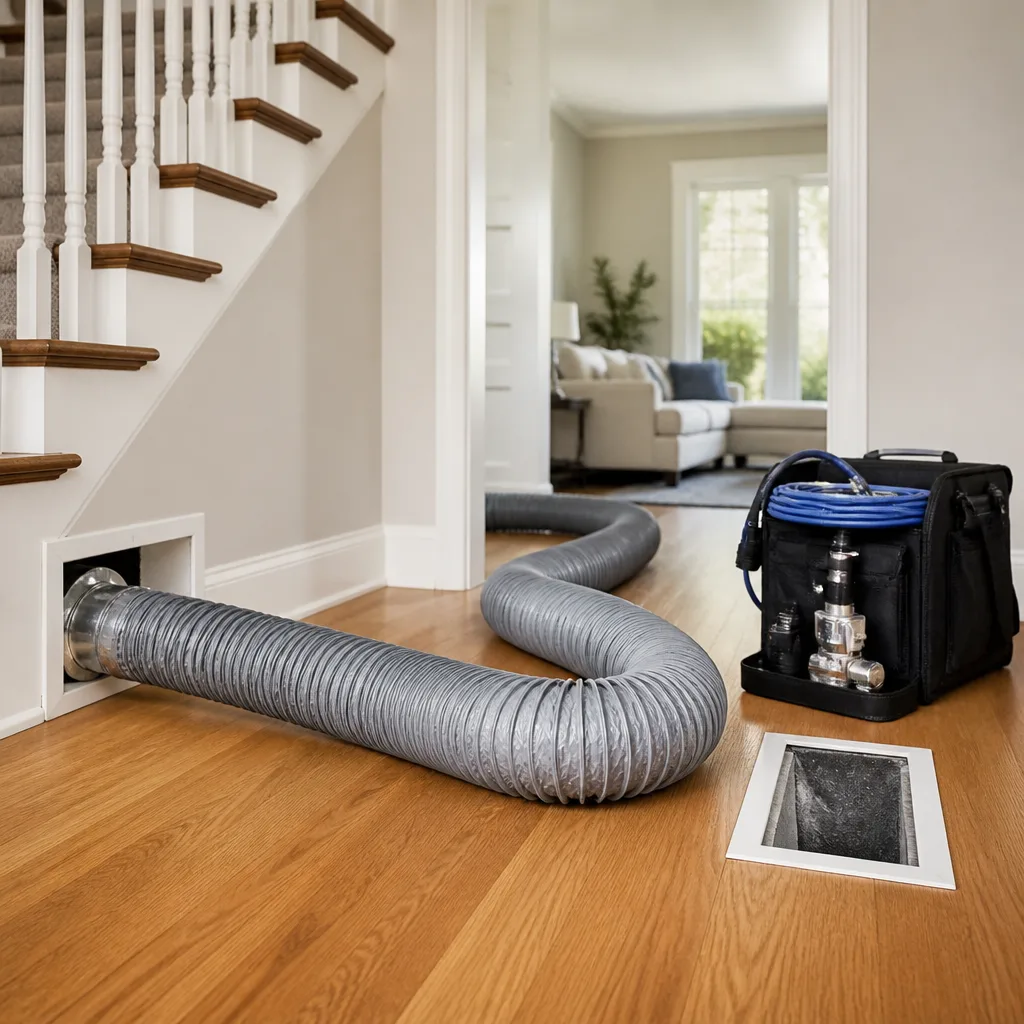 Whole-home duct cleaning
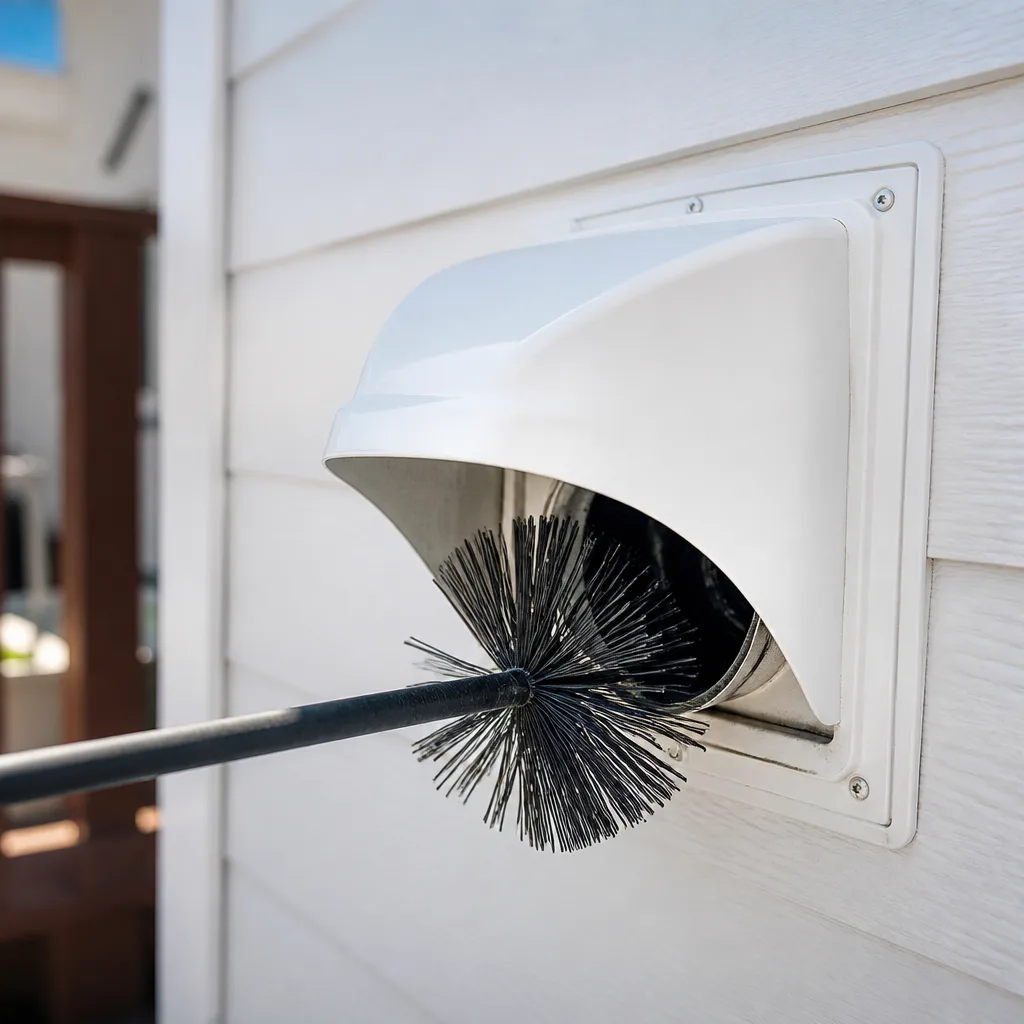 Dryer vent cleaning
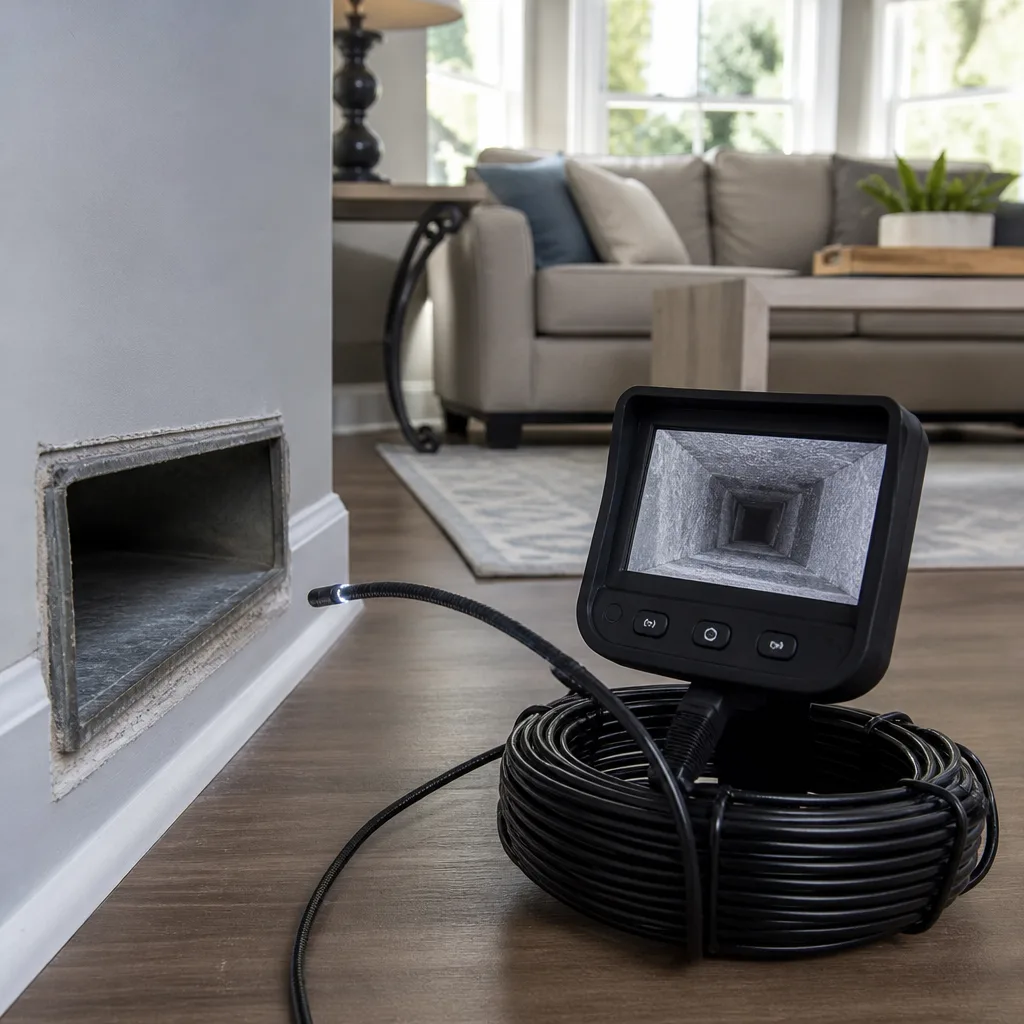 Camera inspection
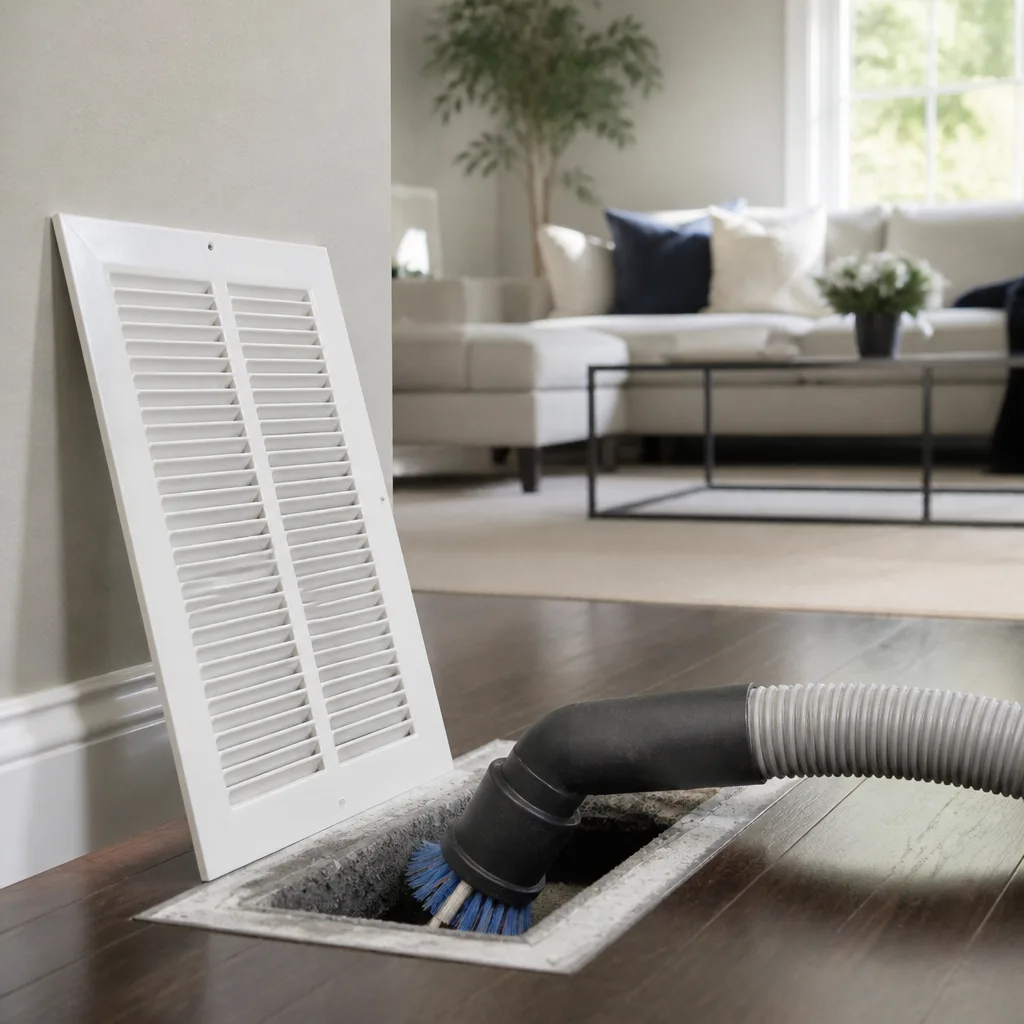 Sanitizing & deodorizing
Whole-system duct and dryer vent check with before-and-after photos - you see exactly what came out of your vents
That "$99 whole-house special" is a bait ad - the real number appears once they are in your hallway, or the "clean" is a shop-vac at the register. We photograph the inside of your ducts before and after instead.
Choosing the Right Air Duct Cleaning Brand: A Buyer’s Guide for Turtle Rock
Most homeowners judge an air duct cleaning company on reviews and price. Both matter, but neither tells you what will actually happen inside your walls. The single most predictive variable for job quality is the equipment platform the technician brings through your door, and you can ask about it on the phone before anyone sets foot in your home. In this guide, we walk Turtle Rock homeowners and property managers through the equipment tiers used in this trade, what specific brands signal about a company’s intent, and how to build a three-point vetting framework that pairs equipment with certification and a documented scope of work. By the end, you’ll know exactly what questions to ask and what a satisfactory answer sounds like.
Quick Answer
The right air duct cleaning brand in Turtle Rock is one that arrives with professional-grade equipment (Rotobrush, Nikro, Hypervac, or Abatement Technologies), holds current NADCA certification, and provides a written scope of work before starting. Equipment platform is the fastest credibility signal: companies invested in real machines tend to run full-system processes, while unbranded portable units usually indicate volume-oriented work. Ask the equipment question first, then verify certification and scope.
Styles & brands we work with
- Whole-home duct cleaning
- Dryer vent cleaning
- Camera inspection
- Sanitizing & deodorizing
Table of Contents
- Why the Equipment Question Comes First
- The Three Equipment Tiers in Air Duct Cleaning
- What Specific Equipment Brands Tell You
- How to Ask the Equipment Question Before Booking
- Why Equipment Investment Correlates With Business Model
- The Three-Point Vetting Framework for Turtle Rock Buyers
- Beyond Duct Cleaning: What a Full-System Specialist Covers
- Red Flags in a Turtle Rock Duct Cleaning Quote
Why the Equipment Question Comes First
Air duct cleaning is one of the few home services where the visible outcome (a clean-looking vent cover) can be identical whether the job was done thoroughly or barely touched. That’s the industry’s structural problem. You cannot see inside the trunk line, the plenum, or the branch runs once the technician packs up. What you can see, and what you should evaluate before booking, is the equipment platform listed on the company’s website, quoted in their phone answer, and physically present when the crew arrives.
Equipment is a proxy for professional intent. A machine that costs a company four figures and requires maintenance, training, and a trailer or van configured to carry it is a capital commitment that only makes sense if the business plans to do real work at scale. Conversely, a shop vacuum with an improvised hose kit costs almost nothing, fits in a car trunk, and supports a business model built on reaching as many doors as possible per day.
In our experience across Turtle Rock and the surrounding hillside neighborhoods off Ridgeline and Campus, the equipment gap shows up in the first five minutes of a job. A Rotobrush or Nikro system takes time to set up, seal, and run per zone. A portable unit gets waved around and packed up. Homeowners who ask about equipment up front tend to be more satisfied with the outcome because they already know what “finished” is supposed to look like.
This guide isn’t about picking the loudest brand name. It’s about giving Turtle Rock buyers a framework for reading equipment choices as a credibility signal, so the decision happens before a technician rolls a hose into your hallway.
The Three Equipment Tiers in Air Duct Cleaning
Air duct cleaning equipment falls into three broad tiers, and knowing which tier a company operates in tells you most of what you need to know about how thorough the work will be. Here’s how the tiers break down, and what each one can and cannot achieve.
Tier 1: Truck-Mounted Vacuum Systems
Truck-mounted or trailer-mounted vacuum systems are the highest tier. These units generate the negative pressure and airflow required to pull debris out of an entire duct system rather than just loosen it. They’re paired with agitation tools (air whips, brushes, or compressed-air nozzles) that travel through the ducts to break material loose while the vacuum captures it. A truck-mount requires a dedicated vehicle configuration, a power take-off or independent engine, and filtration designed to protect the home’s air during extraction.
What a truck-mount can achieve: full-system debris removal, containment of fine particulates, and volume of airflow that clears a residential system in a single pass per zone. What it cannot do: reach tight branch runs without agitation tools, or handle dryer vents without separate equipment.
Tier 2: Portable Negative-Air Machines
Portable negative-air machines, including HEPA-filtered units and high-powered portable extractors like the Rotobrush platform, sit below truck-mounts in raw airflow but can perform excellent work when operated by a trained technician with the right agitation tools. Rotobrush systems are widely used in residential and light commercial duct cleaning because they combine a powerful vacuum with a rotating brush that scrubs the duct wall as it moves.
What a portable negative-air system can achieve: thorough cleaning of residential branch runs and trunk lines, HEPA containment of exhaust air, and access to homes where a truck-mount line cannot reach. What it cannot do: match the total airflow of a truck-mount on a large or heavily contaminated system in a single pass.
Tier 3: Consumer-Grade Equipment
Consumer-grade equipment means shop vacuums, handheld units, and unbranded portables with no HEPA stage and no agitation tooling beyond a hand brush. These units are optimized for speed and low capital cost, not for results. A shop vacuum cannot generate the negative pressure needed to pull material from a duct run, and without an agitation tool, debris stuck to the duct wall stays there.
If a company can’t tell you what equipment they use, or names something that lives in a hardware store aisle, you’ve found your answer without leaving the phone call. For a deeper look at what a properly equipped job covers, see our guide to air duct cleaning.
What Specific Equipment Brands Tell You
Equipment brands aren’t marketing badges. Each one signals a different capability, and matching the brand to your job matters more than chasing the most expensive name. Here’s what the major names used in residential duct cleaning actually mean in practical terms.
- Rotobrush – A professional-grade duct cleaning platform combining a high-powered vacuum with a rotating brush agitation system. The Rotobrush signal is thorough residential branch-run cleaning, especially in systems with tight or angled ductwork common in Turtle Rock’s hillside homes. Companies running Rotobrush have invested in a platform priced well above consumer equipment and trained on its operation.
- Nikro – A professional-grade vacuum and filtration equipment brand used in remediation and restoration work. Nikro units typically signal HEPA-filtered negative air capability and a process designed around fine particulate containment, not just debris removal. If a company names Nikro, ask specifically about filtration stage and how exhaust air is handled.
- Hypervac – A truck-mount and heavy portable vacuum platform used in high-volume residential and light commercial duct cleaning. Hypervac equipment requires the airflow capacity to clear a full trunk line, and companies running it are set up for larger jobs and heavier contamination.
- Abatement Technologies – A manufacturer of containment and air filtration equipment used in restoration and remediation. Abatement equipment signals capability for serious contaminant removal, including allergens, mold spores, and fine particulates. When a company names Abatement, they’re telling you they’ve invested in the equipment used for jobs beyond routine cleaning.
- Aprilaire and Honeywell – Air quality and filtration brands rather than duct cleaning equipment. A company integrating Aprilaire or Honeywell solutions understands filtration and humidity control as part of indoor air quality, not as an add-on. This matters if you’re also evaluating filter upgrades or whole-home air quality systems.
Notice that none of these brands overlap with the consumer aisle. A credible operator can explain the difference between a Rotobrush and a shop vacuum, or a Nikro portable and a hardware-store unit, without hesitating. If the answer is vague or the names aren’t familiar to the person on the phone, that’s information too.
How to Ask the Equipment Question Before Booking
The equipment question only works if you ask it early and listen for the specific details in the answer. Here’s a numbered process for the phone call.
- Ask what equipment they use by brand and type. The question should be: “What brand of duct cleaning equipment do you bring, and is it portable negative-air or truck-mounted?” A credible company answers with a specific brand name and the platform type. An evasive answer sounds like “professional equipment” or “the best on the market” with no name attached.
- Ask about the agitation tool. A brand name alone isn’t enough if there’s no agitation tooling. Ask: “Do you use a rotating brush or air whip inside the ducts, or just vacuum at the vent?” Without agitation, debris stuck to the duct wall stays behind.
- Ask about filtration and negative pressure. This is where HEPA and containment matter. A satisfactory answer describes how the machine holds the home under negative pressure and where the exhaust air goes. An evasive answer changes the subject.
- Ask for the scope of work in writing. The equipment question is one-third of the vetting framework (more on that below). Ask for a written scope covering which components are cleaned, what happens to the HVAC unit itself, and whether the dryer vent is included.
- Watch for the volume signal. If the company quotes a flat per-vent price without seeing the system, or offers a teaser figure over the phone, they’re running a volume model. A full-system specialist quotes per job by written estimate, not per vent.
A satisfactory answer is specific, factual, and delivered without hesitation. An evasive answer is generic, deflects to reviews, or pivots to price. If you hear the second, you’ve learned enough.
Why Equipment Investment Correlates With Business Model
The equipment question tells you more than what machine shows up. It tells you what the business is built to do. A high-volume discount operator runs a lean machine: low capital investment, minimal setup time per job, many stops per day. A full-system specialist runs a heavier model: substantial equipment investment, longer per-job time, fewer stops, and a reputation staked on thorough work rather than door count.
Both models exist in and around Turtle Rock, and the difference shows in a few specific places.
- Per-vent pricing: High-volume operators quote per vent because it’s simple to administer and easy to discount. A full-system specialist quotes per job because the work is defined by the system, not the count of openings.
- Setup time: A truck-mount or Rotobrush platform takes 20-40 minutes to configure, seal, and test. An operator who “gets started right away” is usually running something lighter.
- Scope of work: A volume operator cleans vents and calls it done. A full-system specialist cleans the trunk line, the plenum, the HVAC components, and addresses duct sealing and sanitizing as part of the same visit.
- What breaks the budget: The classic bait-and-switch is a low teaser price that balloons once on site. A full-system operator agrees one flat price per job before work starts, in writing.
If a company can’t tell you what equipment they use, they probably can’t tell you what scope of work they’re quoting either. That’s not a coincidence. Equipment and business model are the same conversation, just seen from one side or the other. In our experience, Turtle Rock homeowners who ask about equipment first are far less likely to be surprised by the invoice at the end.
The Three-Point Vetting Framework for Turtle Rock Buyers
Equipment alone doesn’t make a company credible, and neither does certification alone. The strongest signal comes from combining three independent checks. Here’s the framework we recommend for any Turtle Rock buyer evaluating a duct cleaning brand.
Point 1: Equipment Platform
Ask the brand question (Rotobrush, Nikro, Hypervac, Abatement Technologies, or equivalent) and confirm the platform type (truck-mount, portable negative-air, or consumer-grade). Consumer-grade is a hard stop. Portable negative-air with agitation tooling is acceptable for residential systems. Truck-mount is preferred for larger or heavily contaminated systems. Any company that can’t answer in one sentence fails this point.
Point 2: NADCA Certification
The National Air Duct Cleaners Association (NADCA) maintains industry standards for duct cleaning process and technician training. NADCA certification is a checkable credential, and it signals that a company has taken the trade seriously enough to join a professional body. Ask for the certification and confirm it’s current. A company that can’t name their certifying body fails this point. Pair this with equipment, and you have two independent signals pointing the same direction.
Point 3: Written Scope of Work
The scope of work is the document that says exactly what will be cleaned, how it will be verified, and what the price covers. A satisfactory scope lists: the air handler and plenum, the supply and return trunk lines, the branch runs, the supply and return registers, and the dryer vent (if included). It also states how before-and-after documentation will be captured. A company that quotes a price without a written scope, or that adds scope later on site, fails this point.
Two out of three is a caution flag. One out of three is a pass. When all three align, you’re dealing with a company that’s invested in the outcome rather than the invoice. To see how full-system duct cleaning actually works in Turtle Rock, see our page on Air Duct Cleaning Turtle Rock.
Beyond Duct Cleaning: What a Full-System Specialist Covers
Air ducts are one component of an air delivery system that includes the HVAC unit, the dryer vent, and the filtration and humidity controls taken together. A company that runs professional equipment and holds certification usually covers the full pathway. A company that only cleans ducts is a partial answer. Here’s what a full-system specialist covers, and why each component matters for indoor air quality.
- Air duct cleaning: Trunk lines, branch runs, plenum, and registers. This is the core service and the one most homeowners think of first.
- Dryer vent cleaning: A separate air pathway that runs from the dryer through the wall to the exterior. Lint accumulation in dryer vents is a recognized fire risk, and it’s often skipped in duct cleaning quotes because it requires different tooling and process. See our guide to dryer vent cleaning for the specifics.
- HVAC cleaning: The air handler, evaporator coil, and blower components. Dust and biological growth in the HVAC unit recontaminate cleaned ducts within weeks if left unaddressed. Our page on HVAC cleaning explains what’s covered.
- Duct repair and sealing: Loose joints, disconnected runs, and gaps at the plenum pull in unconditioned attic or crawlspace air. In Turtle Rock’s hillside homes, where duct runs often pass through unconditioned attic space, sealing leaks is as important as cleaning.
- Air sanitizing: Applied after cleaning and sealing, when the system is tight and the process can reach every surface. This is the step that distinguishes a company built for air quality from one built for air movement.
A company covering all five components under one visit reduces the number of contractors you have to hire and, more importantly, ensures the components are addressed in the right order. Cleaning ducts without sealing leaks or cleaning the HVAC unit is a partial job. Sealing without sanitizing leaves the biological material in place. Full-system thinking is how indoor air quality actually improves.
When the equipment question and the scope question point to the same full-system answer, you’ve found the right shape of company. Air Duct Cleaning Turtle Rock runs Rotobrush and Nikro professional duct cleaning systems on every job, adds Abatement Technologies equipment for higher-level particulate extraction, and integrates Aprilaire and Honeywell air quality solutions when filtration and humidity control are part of the picture. From the duct to the vent to the filter, the work stays inside the five services we offer.
Red Flags in a Turtle Rock Duct Cleaning Quote
Certain phrases and offers are reliable signals that a quote isn’t built around thorough work. Here’s what to watch for before you sign anything.
- Per-vent pricing without inspecting the system. If the number arrives before anyone looks at your HVAC layout, it isn’t a quote. It’s a door opener.
- Teaser coupons followed by upsells. A headline price that becomes a much larger invoice once the technician is inside is the industry’s classic bait-and-switch. A legitimate full-system operator agrees one flat price per job in writing before work starts.
- No written scope of work. Scope added or adjusted on site is scope you didn’t agree to. Get it in writing first.
- No equipment brand named. “Professional-grade” without a specific brand is marketing, not a specification. Ask which machine and expect a name.
- No before-and-after documentation. Photos of your own ducts before and after are the simplest way to verify work was done. If a company won’t provide them, ask why.
- Dryer vent treated as an afterthought. A company that doesn’t address the dryer vent pathway is skipping a component of the air delivery system that matters for both safety and performance.
- One-size-fits-all scheduling promises. If a company promises a specific time slot without confirming equipment setup and scope, they’re optimizing for door count rather than quality.
Any one of these on its own isn’t automatically disqualifying. Two or more together usually points to a volume operator running a thin process. The equipment question filters most of them before the phone call ends.
Common Mistakes to Avoid
- Judging on reviews alone. Reviews tell you whether other homeowners were satisfied with the visible outcome. They don’t tell you what equipment was used or how thoroughly the work was done inside the walls. Pair reviews with the equipment question and the certification check before booking.
- Treating price as the primary signal. The lowest quote in Turtle Rock is often the highest margin for the operator with the least setup. A low number from an unbranded portable unit isn’t a bargain; it’s a different service.
- Skipping the dryer vent. Lint buildup in the dryer vent is a recognized fire risk, and it’s a separate process from duct cleaning. If a quote doesn’t address the dryer vent, you’re leaving a known hazard in place.
- Cleaning ducts without servicing the HVAC unit. Dust and growth in the air handler recontaminate freshly cleaned ducts. Cleaning the ducts while leaving the HVAC unit untouched is a partial job with a short shelf life.
- Accepting verbal scope. Scope you discussed but didn’t get in writing is scope that can change once the technician is on site. Ask for the written scope before you book.
- Not asking for before-and-after photos. Photos of your own ducts before and after are the simplest verification available. A company that documents the work will show you; a company that won’t is telling you something.
- Assuming “professional equipment” is a specification. In Turtle Rock, “professional-grade” appears on nearly every website in the category. Only a specific brand name and platform type qualifies as a real answer.
See the difference
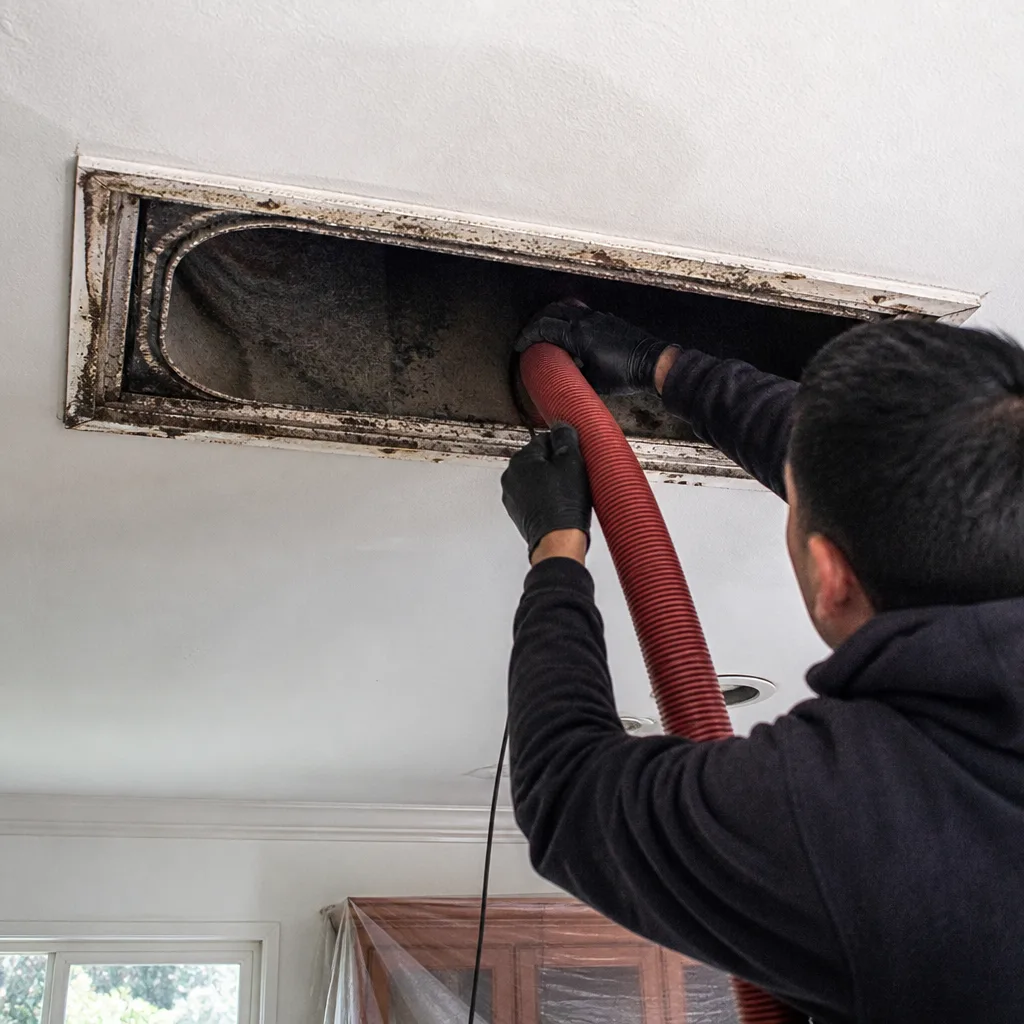 Before
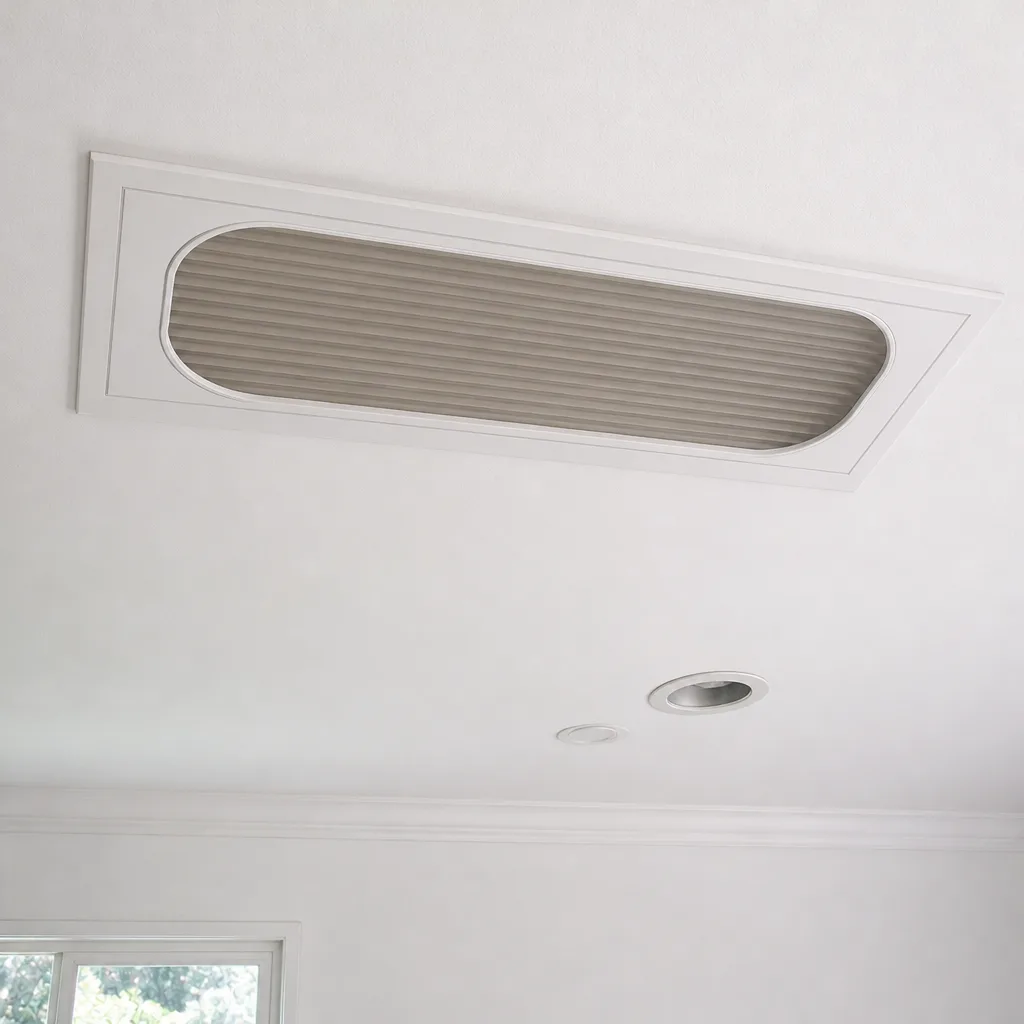 After
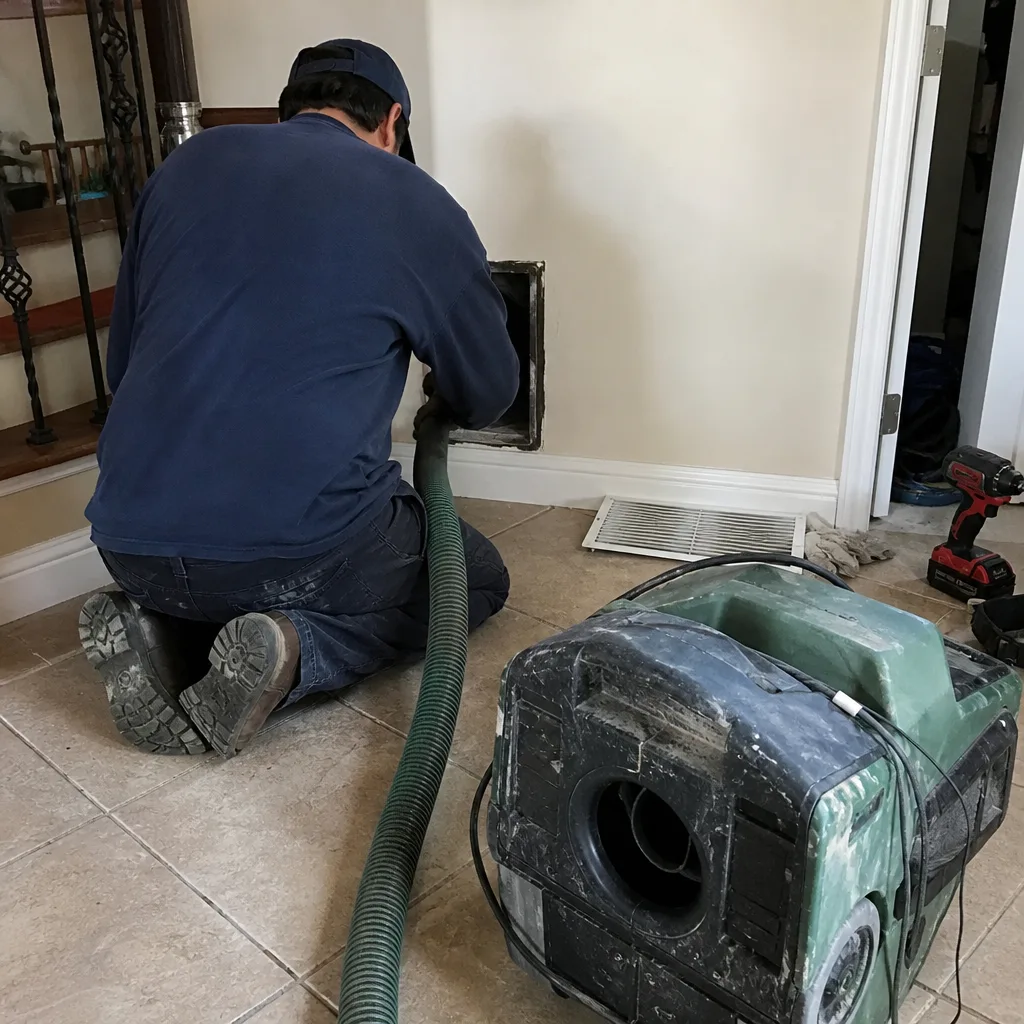 Before
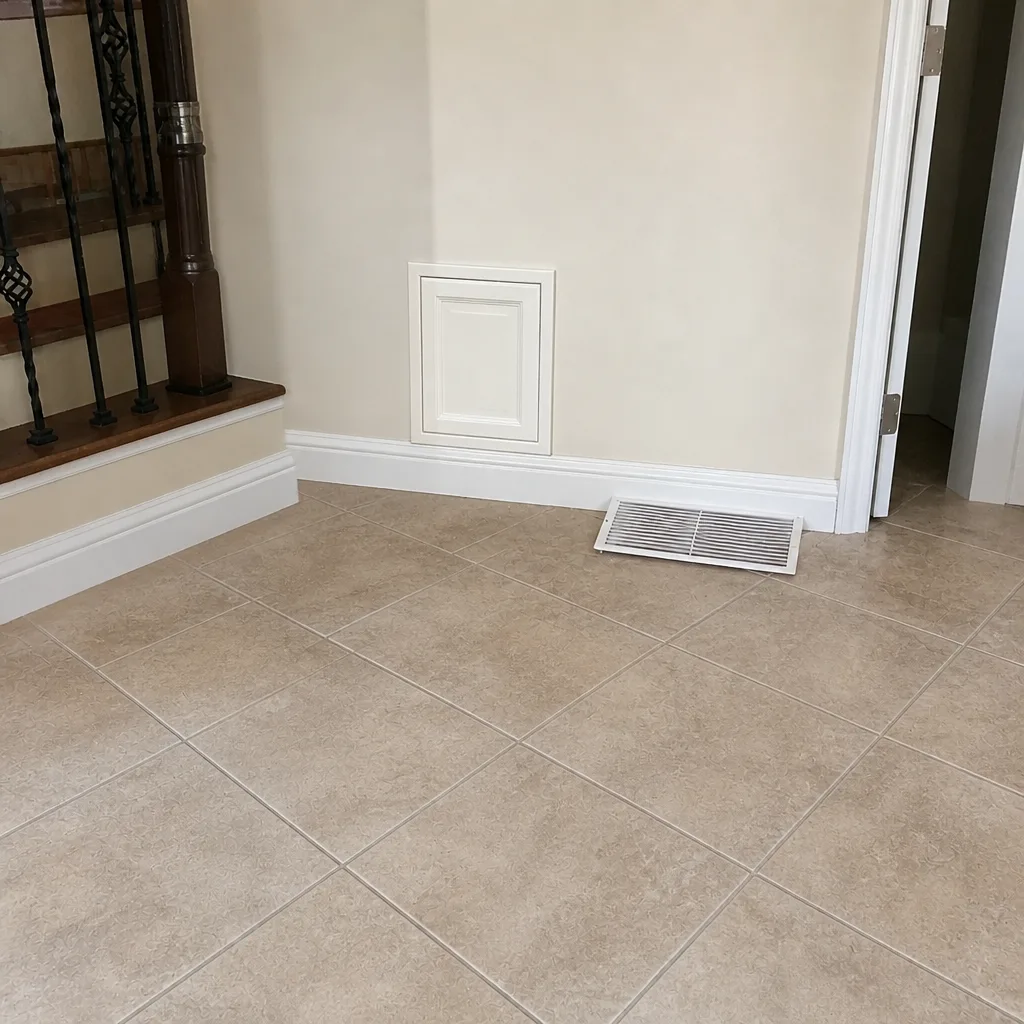 After
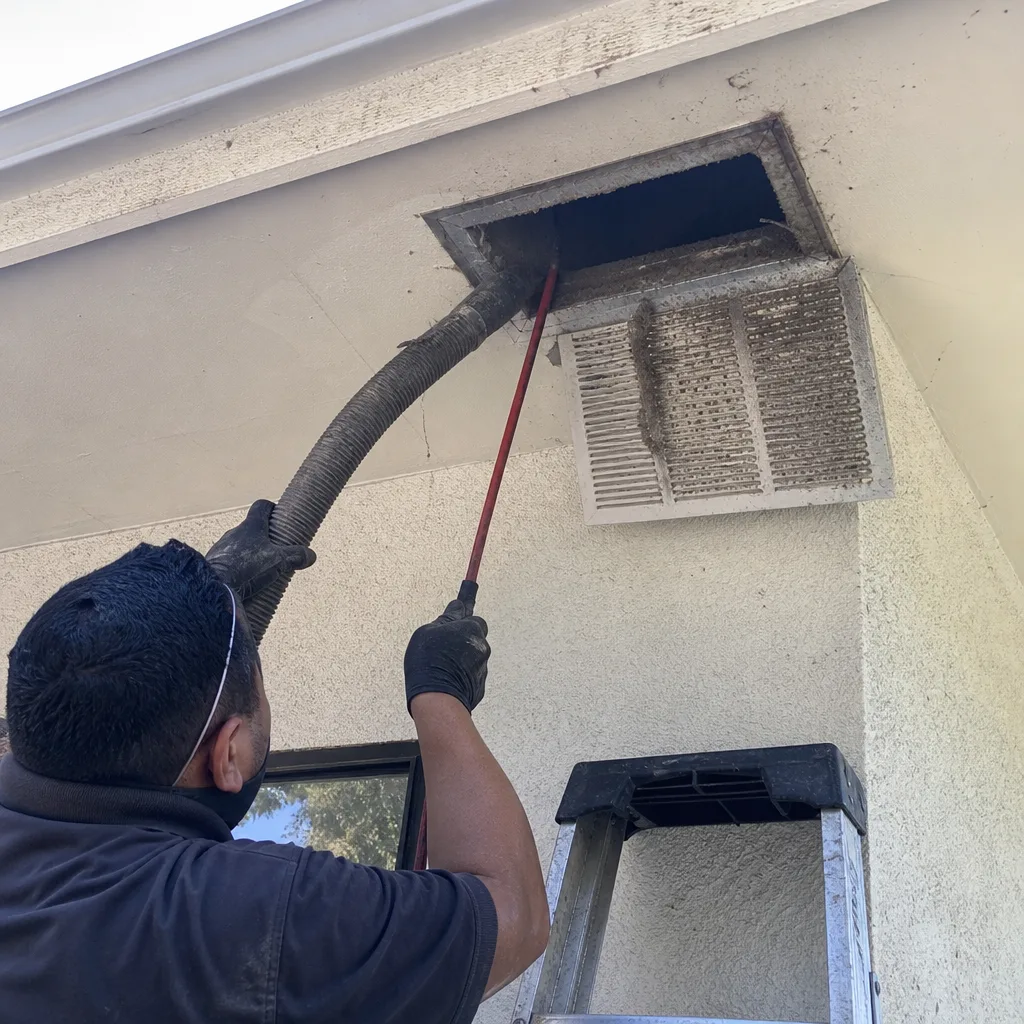 Before
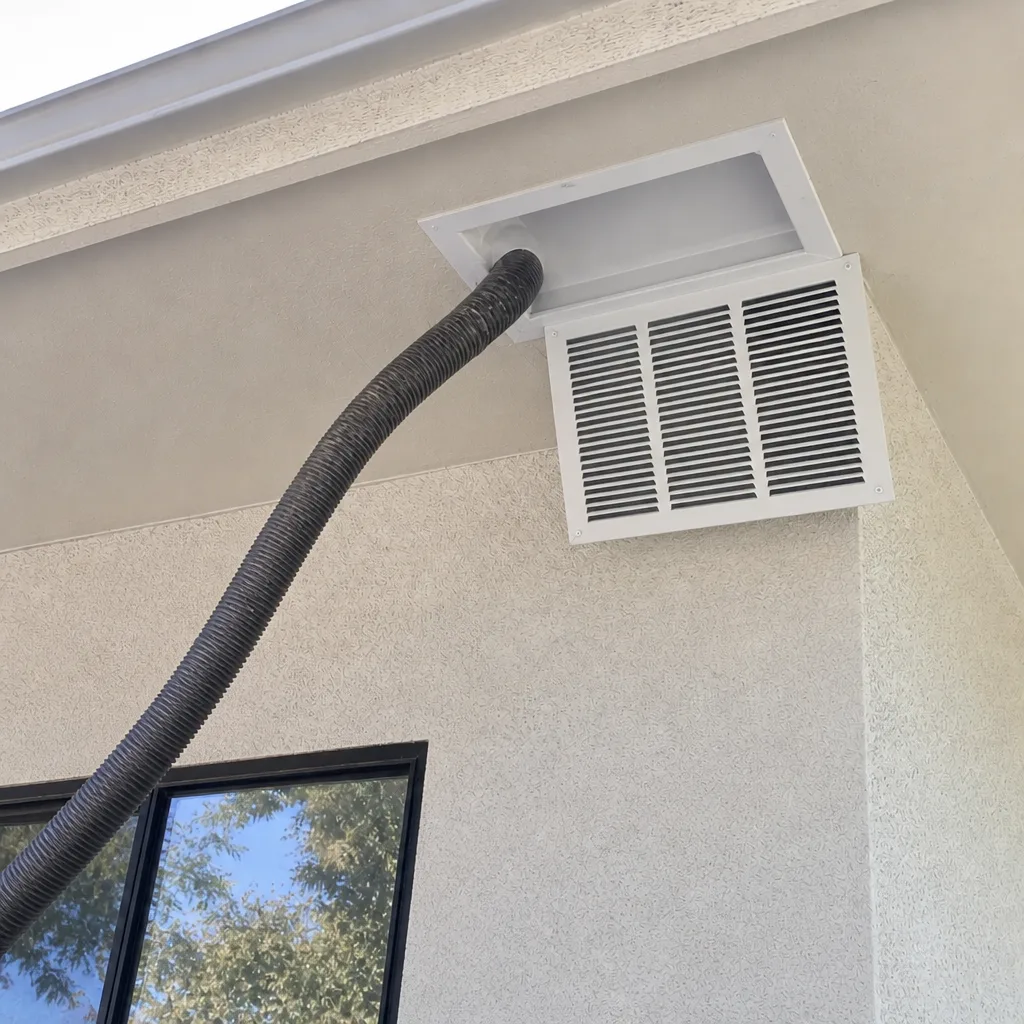 After
When to Call a Professional
Knowing when to bring in a professional is as important as knowing who to call. The cases below are the ones where a specialist’s equipment and scope actually change the outcome.
If you notice dust buildup returning within weeks of cleaning a vent cover, or a musty odor that comes back whenever the system runs, the source is likely upstream in the trunk line or the HVAC unit. If anyone in the home has allergies, asthma, or other respiratory sensitivity, or if there are young children, the case for professional-grade equipment and HEPA-filtered containment is stronger than for a routine cleaning. If your dryer takes longer to dry a load than it used to, that’s a dryer vent signal, not a dryer problem, and it’s worth having checked. If your HVAC energy bills have crept up without an explanation in appliance usage, duct leakage from loose joints or disconnected runs is one of the possible causes. And if you’ve recently moved into a Turtle Rock home and don’t know when the ducts were last cleaned, a baseline inspection and written scope is the right starting point.
Air Duct Cleaning Turtle Rock offers free estimates in Turtle Rock and the surrounding hillside neighborhoods. Call (833) 700-4234 to book a look at your system.
Frequently Asked Questions
Air duct cleaning in Turtle Rock is priced per job by a written estimate after a look at the system, not by a per-vent rate. The range depends on square footage, the number of registers and returns, and whether the job includes HVAC cleaning, dryer vent cleaning, duct repair and sealing, and sanitizing. Because the estimate is free and the price is set in writing before work starts, you’ll know the number before anyone enters your home. Call (833) 700-4234 for an exact quote.
Cheaper quotes usually reflect a different equipment platform and a narrower scope. A company running an unbranded portable unit with no agitation tooling and no HEPA containment can quote low because it’s doing less work with less investment. The low headline figure also tends to move once the technician is on site. Look for a specific equipment brand, a written scope, and one flat price agreed before work starts. If the quote lacks any of those, the price difference is telling you what you’re buying.
Ask for before-and-after photos of your own ducts, taken by the technician during the job. This is the simplest verification available and it’s the standard we hold ourselves to. Pair photos with the written scope of work you agreed to before the job, and confirm each component on the scope was addressed. If a company won’t provide photos or scope documentation, that’s a signal to look elsewhere.
There’s no universal interval. Homes with pets, recent remodeling dust, or occupants with allergies tend to benefit from more frequent cleaning than a low-occupancy home with a well-maintained HVAC unit. Rather than a calendar rule, the better test is whether dust, odors, or energy costs are pointing upstream. A baseline inspection can tell you whether cleaning is warranted now and what to watch for. Call (833) 700-4234 and we’ll talk through what fits your home.
Ask for the brand name and the platform type. Professional names you’ll hear include Rotobrush, Nikro, Hypervac, and Abatement Technologies, along with truck-mounted systems. A satisfactory answer includes the brand, the platform (portable negative-air or truck-mounted), and the agitation tooling used inside the ducts. A company that answers with “professional equipment” and no brand has given you an evasive answer. Call (833) 700-4234 and we’ll tell you exactly what we run.
Not by default. Dryer vent cleaning is a separate process because the pathway, tooling, and fire-risk considerations are different from duct cleaning. Lint buildup in the dryer vent is a recognized fire risk, so it’s worth asking whether the dryer vent is on the scope. At Air Duct Cleaning Turtle Rock, dryer vent cleaning is a core service offered alongside duct cleaning so the full air pathway is addressed in one booking.
The Bottom Line
Equipment is the fastest credibility signal in air duct cleaning, and it’s the part you can evaluate before anyone enters your home. Ask for the brand and the platform type. Confirm NADCA certification. Get the scope of work in writing. When those three points align, you’re dealing with a full-system specialist rather than a volume operator. In Turtle Rock, the hillside homes and hillside duct runs make the difference between a thorough job and a partial one especially visible in the weeks after. Pair the equipment question with the full-system scope, and you’ll pick the right brand without needing a coupon.
Contact
If you’re ready to move from research to a real quote, Air Duct Cleaning Turtle Rock covers all five services – duct cleaning, dryer vent cleaning, HVAC cleaning, duct repair and sealing, and air sanitizing – using Rotobrush, Nikro, Abatement Technologies, Aprilaire, and Honeywell equipment where it fits the job. Estimates are free and the price is set per job in writing. Call (833) 700-4234 for a free estimate. We answer 24/7. Fast dispatch from 7am to 7pm, Sunday through Friday.
Written by the team at Air Duct Cleaning Turtle Rock.