
Last updated November 24, 2026
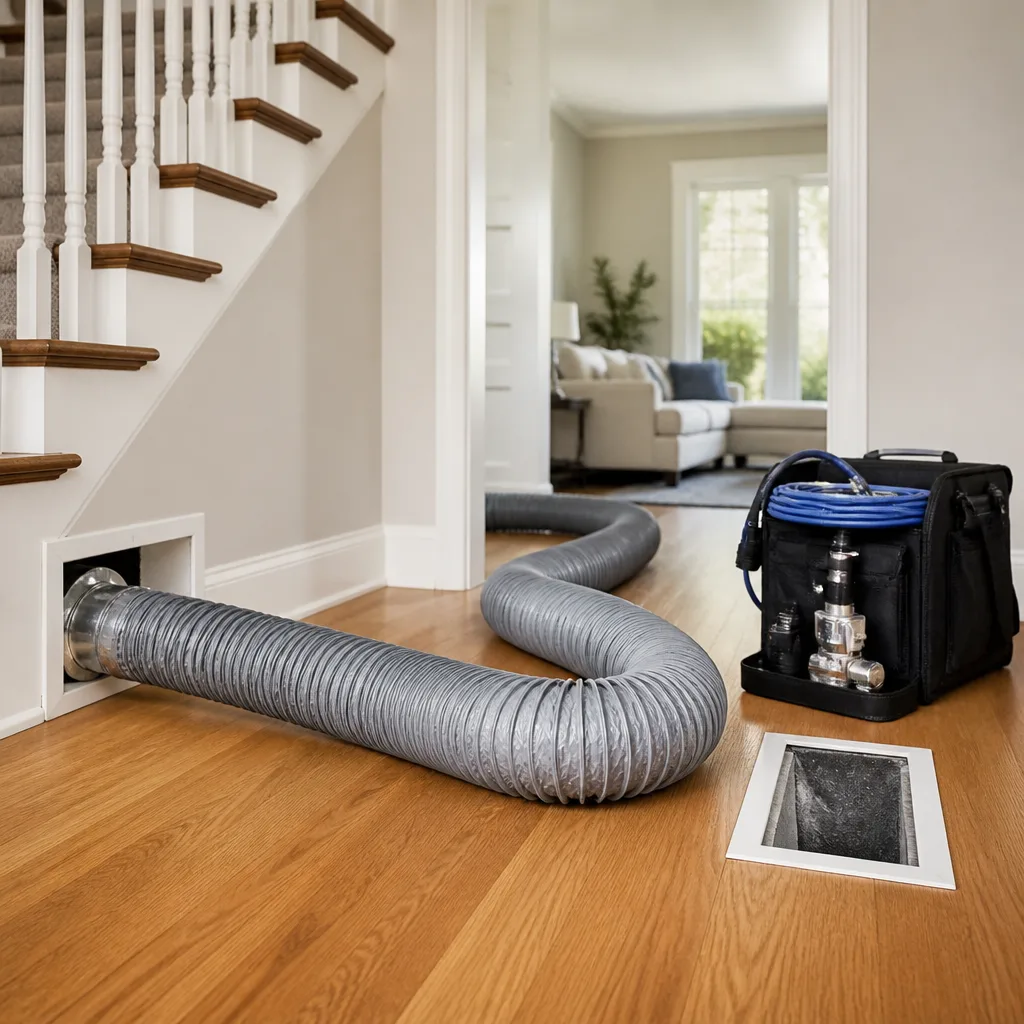 Whole-home duct cleaning
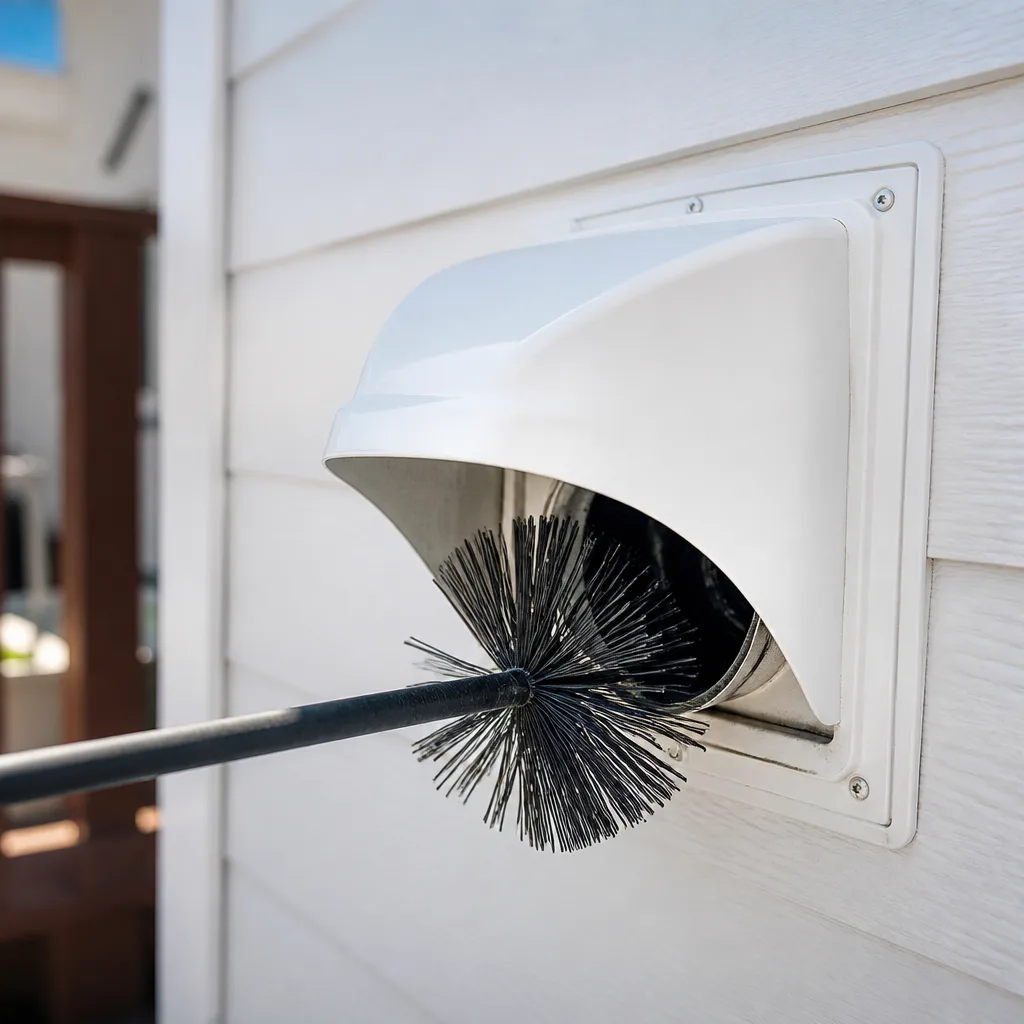 Dryer vent cleaning
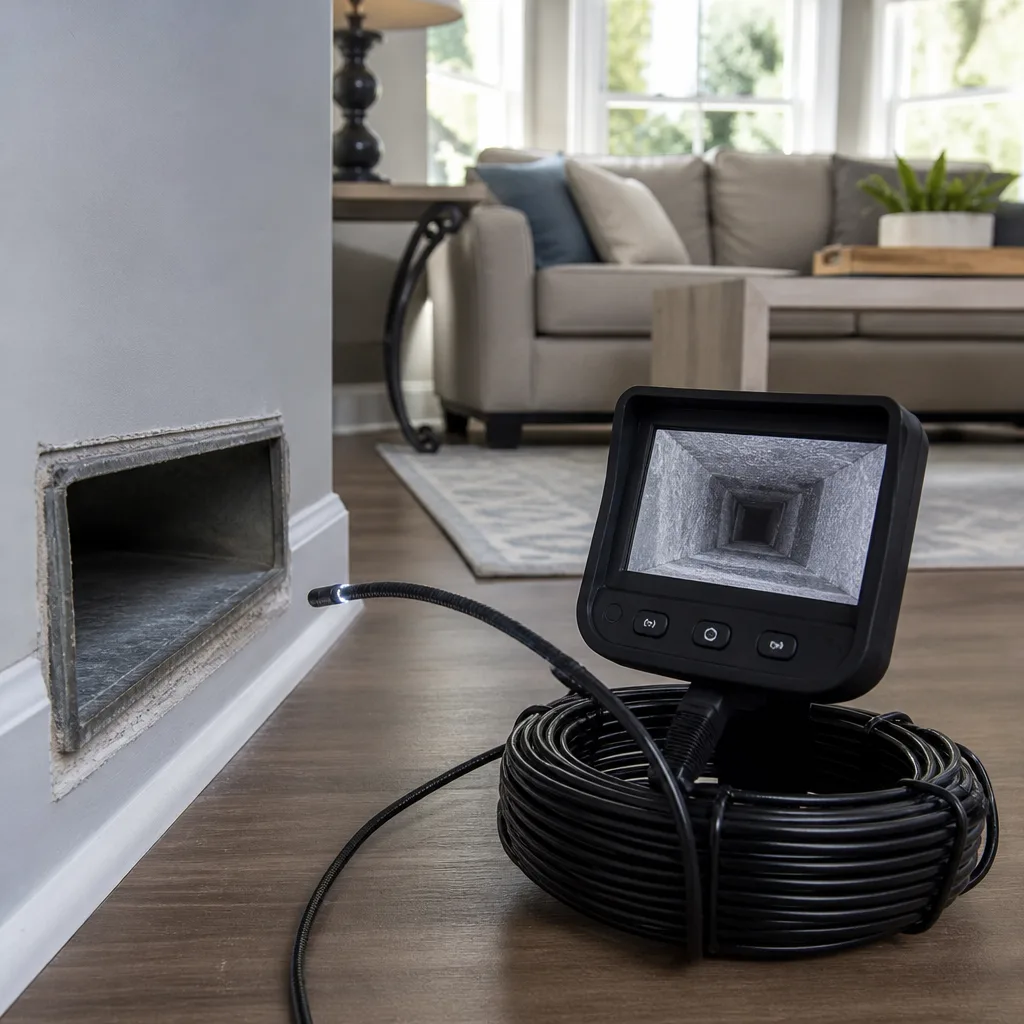 Camera inspection
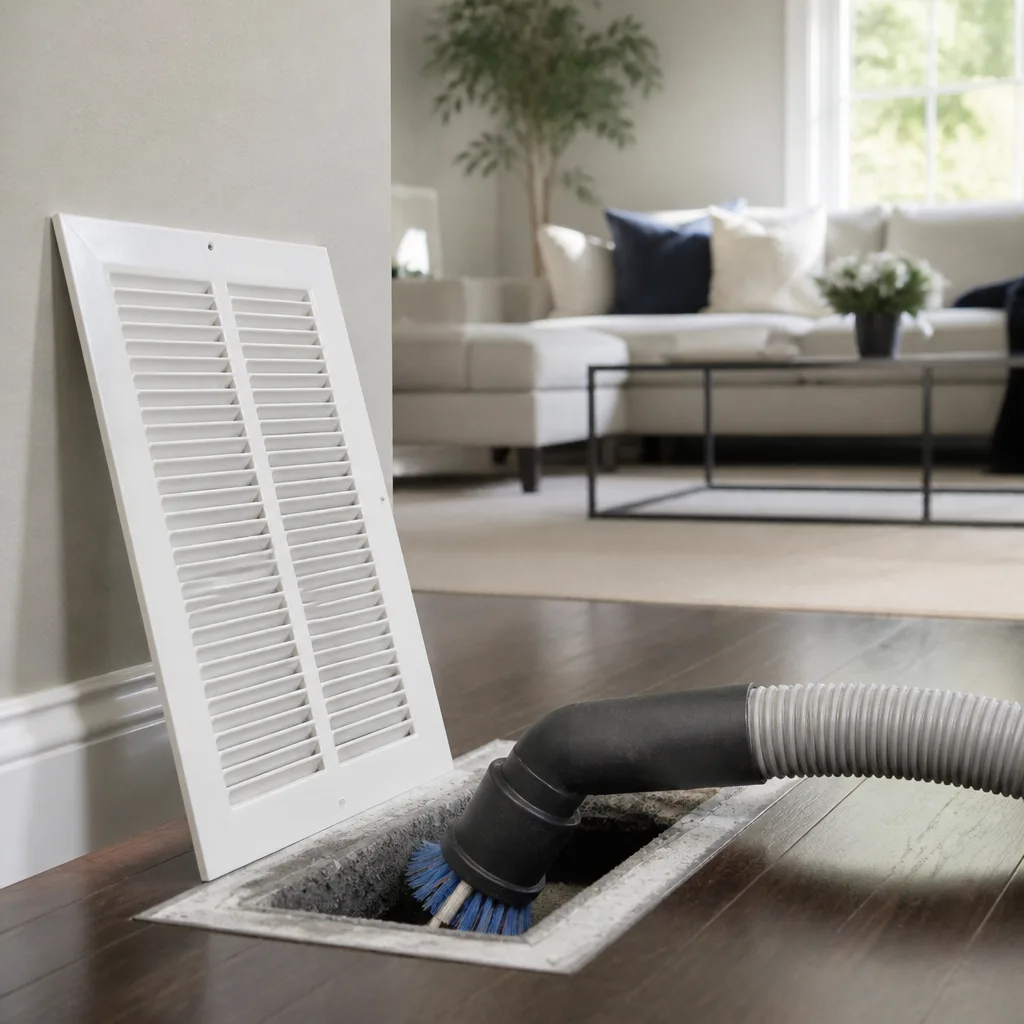 Sanitizing & deodorizing
Whole-system duct and dryer vent check with before-and-after photos - you see exactly what came out of your vents
That "$99 whole-house special" is a bait ad - the real number appears once they are in your hallway, or the "clean" is a shop-vac at the register. We photograph the inside of your ducts before and after instead.
Air Duct Cleaning Emergency Preparedness Guide for Turtle Rock Homes
Most emergency checklists for Turtle Rock homes cover the same things: water, batteries, important documents, a go-bag by the door. Almost none of them mention the air conditioning system. That’s the gap this guide fills. When wildfire smoke settles over the hills around Turtle Rock or a water line fails inside a home, the duct system becomes the part of the house most likely to hold onto the problem the longest, and the part homeowners understand least. Here’s what we’ve learned from air quality work in this neighborhood about protecting, shutting down, documenting, and recovering a duct system during and after the two events that matter most here: wildfire smoke and post-flood mold.
Quick Answer
In an air quality emergency, protect the duct system first by sealing or shutting off outdoor air intake during heavy wildfire smoke and by stopping the HVAC system entirely after any water intrusion until it’s been inspected and dried. Most smoke contamination is reversible with professional cleaning, but duct lining saturated by floodwater almost always needs assessment within 48 to 72 hours to avoid mold growth. Call (833) 700-4234 for a free estimate. We answer 24/7, and fast dispatch runs from 7am to 7pm, Sunday through Friday.
Styles & brands we work with
- Whole-home duct cleaning
- Dryer vent cleaning
- Camera inspection
- Sanitizing & deodorizing
Table of Contents
- Wildfire Smoke: The Pre-Event HVAC Protocol
- After the Smoke Clears: Assessing Your Ducts
- Post-Flood Mold Risk in Duct Systems
- Emergency Documentation for Insurance Claims
- Getting Emergency Duct Cleaning in Turtle Rock
- Common Mistakes to Avoid
- When to Call a Professional
- Frequently Asked Questions
Wildfire Smoke: The Pre-Event HVAC Protocol
Here’s the counterintuitive part: during a heavy smoke event, the instinct to “just keep the house comfortable” is exactly backward. Wildfire smoke doesn’t stay outside the way people assume. Fine particulate matter from smoke is small enough to pass through standard filters, settle on duct walls, and cling to the fibrous lining inside the system. Insulation is a sponge for odor, and once smoke particulate is embedded there, it keeps releasing a smoky smell long after the sky clears. The goal before and during a smoke event is to control what the system is allowed to draw in.
Decide between two modes: recirculate or seal. It depends on whether your system has the controls to do either cleanly.
- If your thermostat has a recirculation or “fan only” setting, use it to keep air moving inside the house without pulling fresh outdoor air. This circulates indoor air through the filter and doesn’t add smoke.
- If your system draws outside air directly or you can’t confirm it doesn’t, close the outdoor air damper if you have one and shut the system down when smoke is thickest. A closed system beats a running one that’s pulling smoke in.
- Change the filter before the event, not during. A loaded filter is a wall, not a barrier, and a clogged filter during smoke season turns your ducts into a reservoir.
- If you run a portable air cleaner, place it in the room you use most and run it on a middle setting. Used alongside a sealed system, it buys time.
If smoke is already in the house and the smell won’t leave the system, that’s the signal to stop running it and get eyes on the ducts. That’s where air duct cleaning in Turtle Rock becomes a recovery step, not a routine one.
After the Smoke Clears: Assessing Your Ducts
Once the outdoor air reads clean again, not every duct system in Turtle Rock needs the same response. Surface cleaning handles most cases. Duct lining replacement is rare but real. The difference comes down to how long the system ran during the smoke and whether the lining ever got wet or heavily loaded. Here’s how we walk through the assessment.
When surface cleaning is enough
- The home ran the system only briefly or on recirculation with a clean filter.
- Odor fades within a few days of outdoor air clearing.
- Dust and film appear mainly near registers and on the return-side surfaces.
- No moisture was introduced into the system at any point.
When lining replacement deserves a look
- The system ran continuously through the worst of the smoke, especially with a loaded filter.
- Smoke odor returns every time the fan runs, even after surface cleaning.
- The lining is visibly darkened, flaking, or delaminating.
- There’s any sign of past water intrusion in the ducts or plenum.
We use Rotobrush and Nikro professional duct cleaning systems on smoke recovery work because they agitate and extract at the same time, which matters for the sticky, fine-grained residue smoke leaves behind. For stubborn cases we bring in Abatement Technologies equipment for deeper particulate extraction. If the lining itself is the problem, cleaning removes the smoke on the surface but won’t fix a damaged liner, and that’s a decision to make with the numbers in front of you.
Post-Flood Mold Risk in Duct Systems
The window after a flood is shorter than most homeowners realize: 48 to 72 hours. If water reached the ductwork, the plenum, or the air handler, mold can begin to establish inside the system in that time. Once mold is growing on duct lining or the interior of the air handler, cleaning alone doesn’t solve it, and running the system spreads spores through every room it serves.
The steps after water intrusion follow a fixed order.
- Stop the HVAC system. Turn it off at the thermostat, and if water is still present, at the breaker. Running a wet system aerosolizes mold spores and risks electrical damage.
- Call a water damage or restoration professional. A duct company handles the ductwork, not standing water, wet drywall, or structural drying. The restoration side comes first.
- Document everything. Photograph the water line, the registers, the air handler, and any visible staining. Note the date and the time the water was discovered.
- Get the duct system assessed once it’s dry. A mold remediation-certified professional should evaluate whether cleaning and sanitizing is enough or whether contaminated components have to be removed and replaced.
- Sanitize, then verify. We use Abatement Technologies equipment for particulate and contaminant extraction, and Honeywell and Aprilaire filtration and humidity control components to help keep the system from going wet again.
We’re clear about the line: once mold is established, duct cleaning and sanitizing is one part of a remediation plan, and the certified remediation side of that plan comes from a qualified professional in that specialty. Our job is the ducts, the HVAC unit, and making sure the air pathway itself is clean and sealed afterward.
Emergency Documentation for Insurance Claims
Insurance adjusters don’t pay for “the house smelled smoky.” They pay for documented damage. For HVAC contamination, the file needs to show what happened, when, and what it cost to fix, and most homeowners only realize that after the claim is filed. Build the record while the event is fresh.
- Photographs with timestamps. Outdoor AQI readings from a phone, smoke visible inside the house, soot on registers, water lines at the air handler. Every shot should be identifiable as this system, this day.
- Written timeline. When the smoke event started, when the system was running, when you shut it down, when water was discovered, when it was dried.
- Filter photographs. A used filter is evidence of what the system pulled in. Photograph it before you throw it away.
- Professional assessment in writing. A written report from a duct or restoration professional is the strongest part of the file. Get it before cleanup starts.
- Receipts and the written estimate. The estimate sets the price, and the invoice matches it. Keep every copy.
If you’re not sure what to photograph, call us before cleanup begins. We can walk you through what an adjuster will want to see, and the assessment visit is a free estimate.
Getting Emergency Duct Cleaning in Turtle Rock
Emergency scheduling is not the same as routine scheduling. When a Turtle Rock homeowner calls after a smoke event or a water line failure, the difference that matters is whether the company on the other end can adjust its schedule to accommodate the event. There’s no reliable way to book same-day duct work from a website; it takes a phone call and a person who can move the calendar.
- Describe the event clearly. “Smoke infiltration during the weekend” and “water in the air handler” require different responses. Say which it is, and say it plainly.
- Have the documentation ready. Photos, timeline, and insurance information (if a claim is in play) speed the booking.
- Ask what equipment will be used. A professional-grade system like Rotobrush or Nikro on the truck means the job can be done thoroughly in a single visit. A shop vacuum will not handle smoke or mold residue.
- Ask whether duct repair and sealing is included. “We seal what we find” is the right answer. Cleaning without sealing misses gaps that let contaminated air back in.
- Confirm the estimate is free. Call (833) 700-4234. We answer 24/7. Fast dispatch from 7am to 7pm, Sunday through Friday. If a call comes outside dispatch hours, it’s booked into the next opening.
Our technicians have up to 11 years of experience, and that experience matters most on calls that come in under pressure. When we show up, we bring before-and-after photos so you can see what the ducts looked like when we started and what they look like when we finish.
Common Mistakes to Avoid
- Running the HVAC system through the worst of a smoke event. This is the single biggest mistake we see in Turtle Rock. It pulls smoke into the duct lining where it keeps releasing odor for weeks.
- Assuming a fresh filter is enough. A household filter catches some particulate, not the fine smoke that settles on duct walls. Filter changes help, but they’re not cleaning.
- Skipping the HVAC unit itself. Smoke and mold don’t stay in the ducts. The air handler, coils, and blower need to be cleaned too, which is why HVAC cleaning is a separate, necessary step in recovery.
- Turning the air conditioning back on after a flood. If water touched the system, running it spreads mold spores through every room. Shut it off and get it assessed first.
- Waiting more than 72 hours to call after water intrusion. The mold window in a wet duct system is 48 to 72 hours. Every day past that makes remediation harder and more expensive.
- Hiring a shop vacuum and a promise. Duct cleaning requires professional-grade equipment. If the crew shows up with a consumer vacuum and no source-removal plan, that’s not a recovery job.
- Forgetting the dryer vent entirely. Dryer vent lint is a leading cause of residential fires, and it’s easy to forget during a smoke or water event. If you’re already having the system looked at, have the vent checked too. You can book dryer vent cleaning as part of the same visit.
When to Call a Professional
Not every smoke event requires a call. Brief, light smoke that fades with the outdoor air usually doesn’t. But some situations do, and waiting makes them worse: the smell of smoke returns every time the fan runs; visible soot or dark film on the registers; any water reached the ducts, the plenum, or the air handler; musty odor in any room after cleaning; a family member with asthma or allergies reacting more than usual after an event; or an insurance claim that needs a professional assessment in writing. Air Duct Cleaning Turtle Rock offers free estimates in Turtle Rock. Call (833) 700-4234. We answer 24/7, and fast dispatch runs from 7am to 7pm, Sunday through Friday. Call outside dispatch hours and we’ll book you into the next opening.
Frequently Asked Questions
Air duct cleaning for a Turtle Rock home is set per job, and the final price is always the written estimate before any work starts. It depends on the size of the system, the number of vents, and whether the job is standard cleaning, smoke recovery, or post-flood recovery. Call (833) 700-4234 for an exact quote. Estimates are free.
Low quotes often come from companies with consumer-grade vacuums and no source-removal process, and the price grows once the technician is on site. We work on one flat price per system agreed before work starts, with no per-vent pricing and before-and-after photos of your own ducts. Call (833) 700-4234 for a free estimate and a number you can rely on.
Ask for before-and-after photographs taken inside your own ducts. That’s the only way to know, and we provide them on every job. We also use professional-grade equipment (Rotobrush, Nikro, and Abatement Technologies for deeper particulate work) so the job can be done in a single visit. Call (833) 700-4234 for a free estimate.
For most Turtle Rock homes, routine cleaning is done every few years, not annually. The exception is after a smoke event or a water intrusion, when the timeline is measured in days, not years. If you’re not sure where your home falls, call (833) 700-4234 for a free estimate and we’ll walk through it.
Only if you can confirm the system is running on recirculation without pulling in outside air. If you can’t confirm, shut it down during the worst of the smoke. Running a system that draws in outside air is how smoke gets into the duct lining in the first place. Call (833) 700-4234 if the smell won’t clear.
Stop the HVAC system, call a water damage restoration professional first, and get the duct system assessed within 48 to 72 hours. After a flood, mold can begin to establish inside wet ductwork in that window, and running the system spreads spores. Once the system is dry, call (833) 700-4234 for a free estimate on cleaning, sanitizing, and any needed duct repair and sealing.
The Bottom Line
The two air quality emergencies that matter most to Turtle Rock homes, wildfire smoke and post-flood mold, both have a short active window and a long recovery tail. Handle the window right and most systems come back clean with professional cleaning. Handle it wrong and the ducts hold onto the problem for weeks. Shut off outdoor air during smoke, stop the HVAC after water, document as you go, and call when the smell or the damage doesn’t clear. Our technicians have up to 11 years of experience with the equipment this work requires. For a free estimate across the full air pathway, from air duct cleaning to duct repair and sealing to air quality sanitizing, call (833) 700-4234. We answer 24/7, and fast dispatch runs from 7am to 7pm, Sunday through Friday.
Written by the team at Air Duct Cleaning Turtle Rock.
See the difference
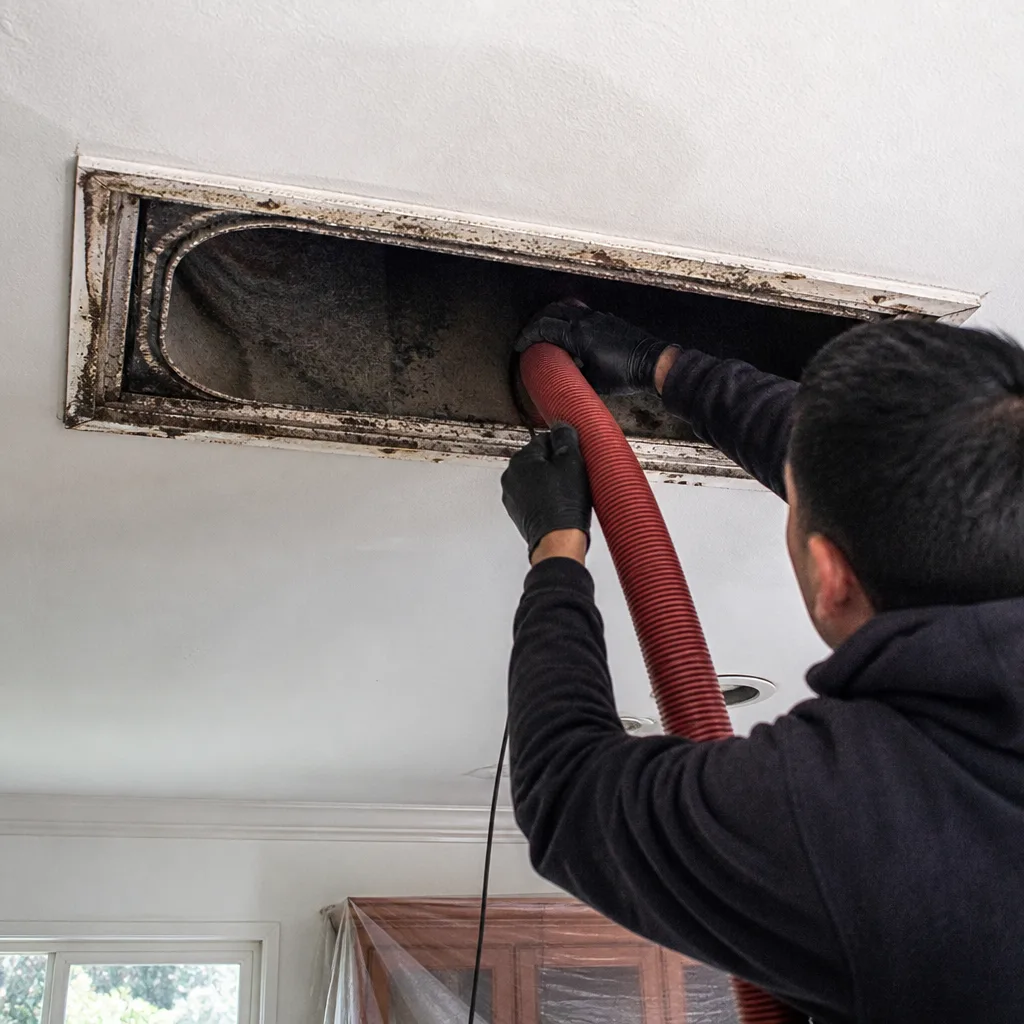 Before
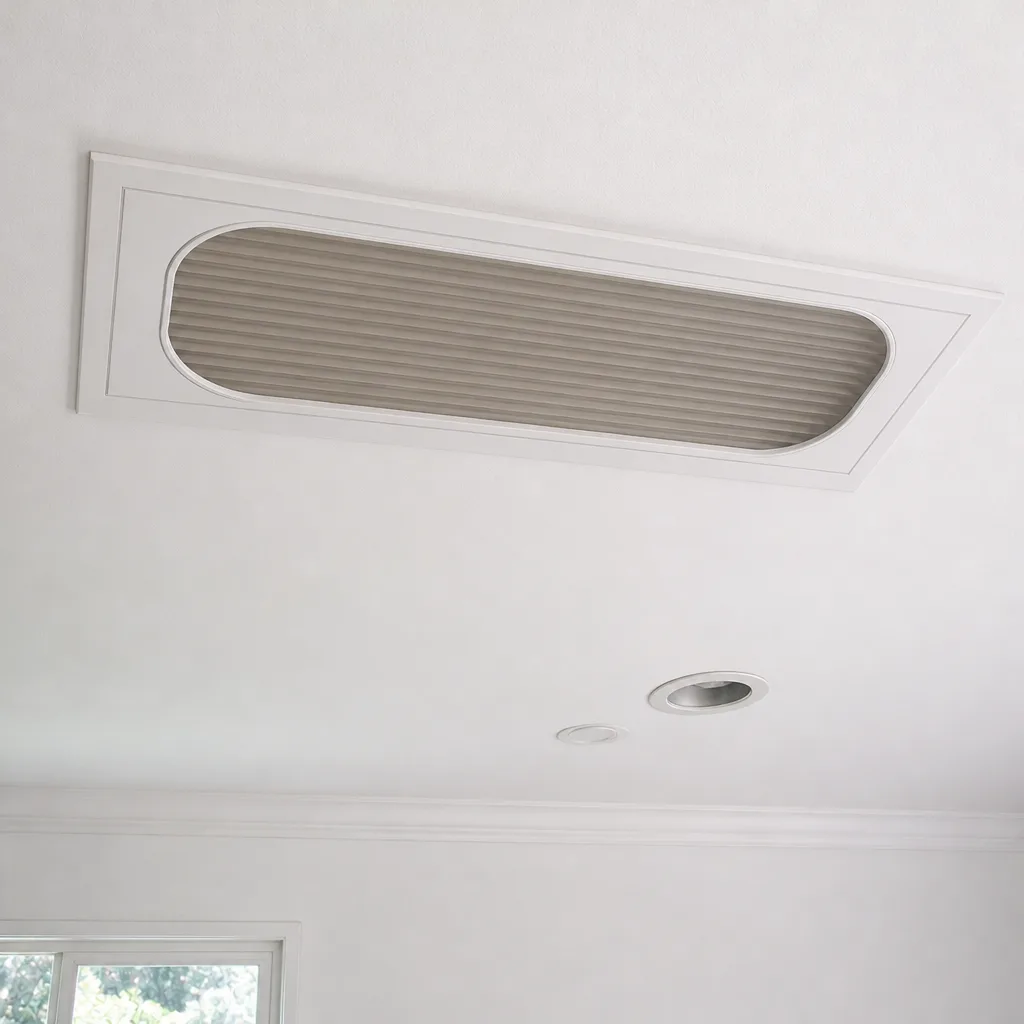 After
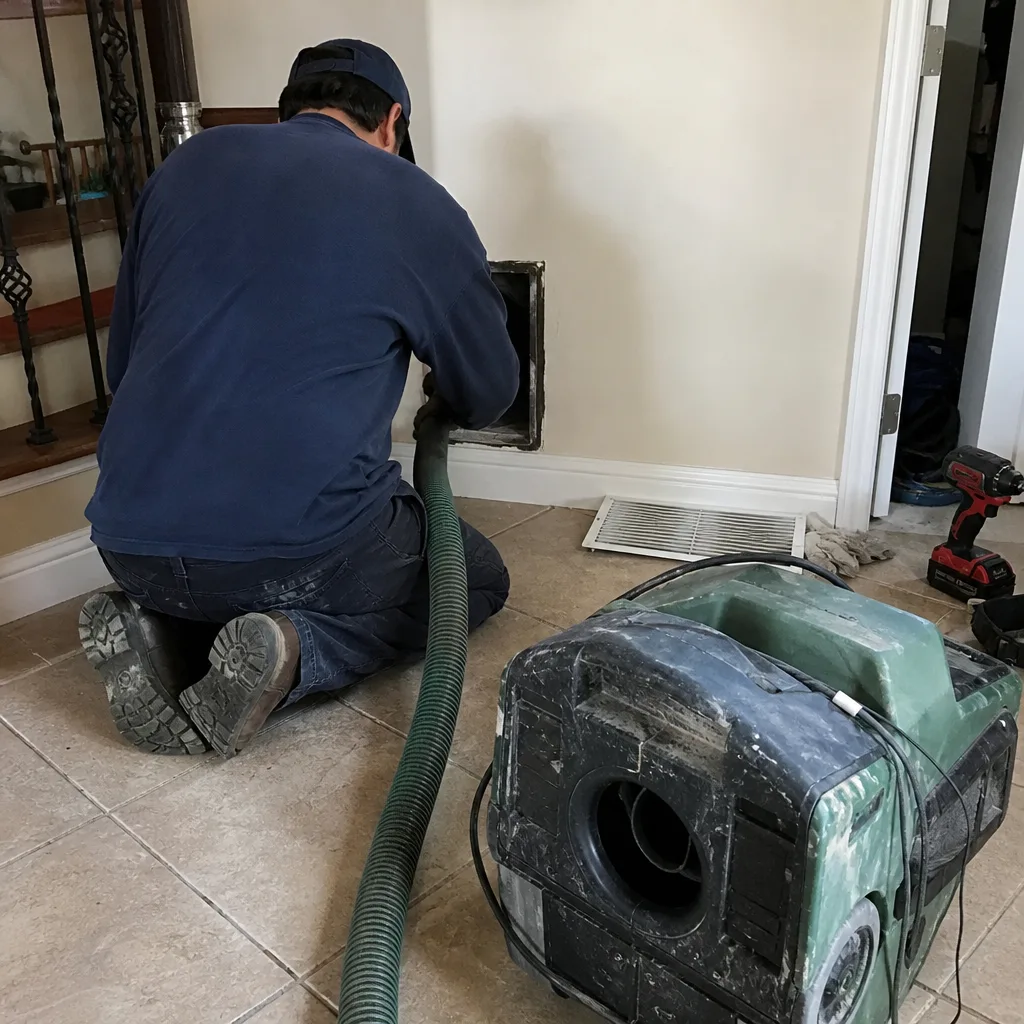 Before
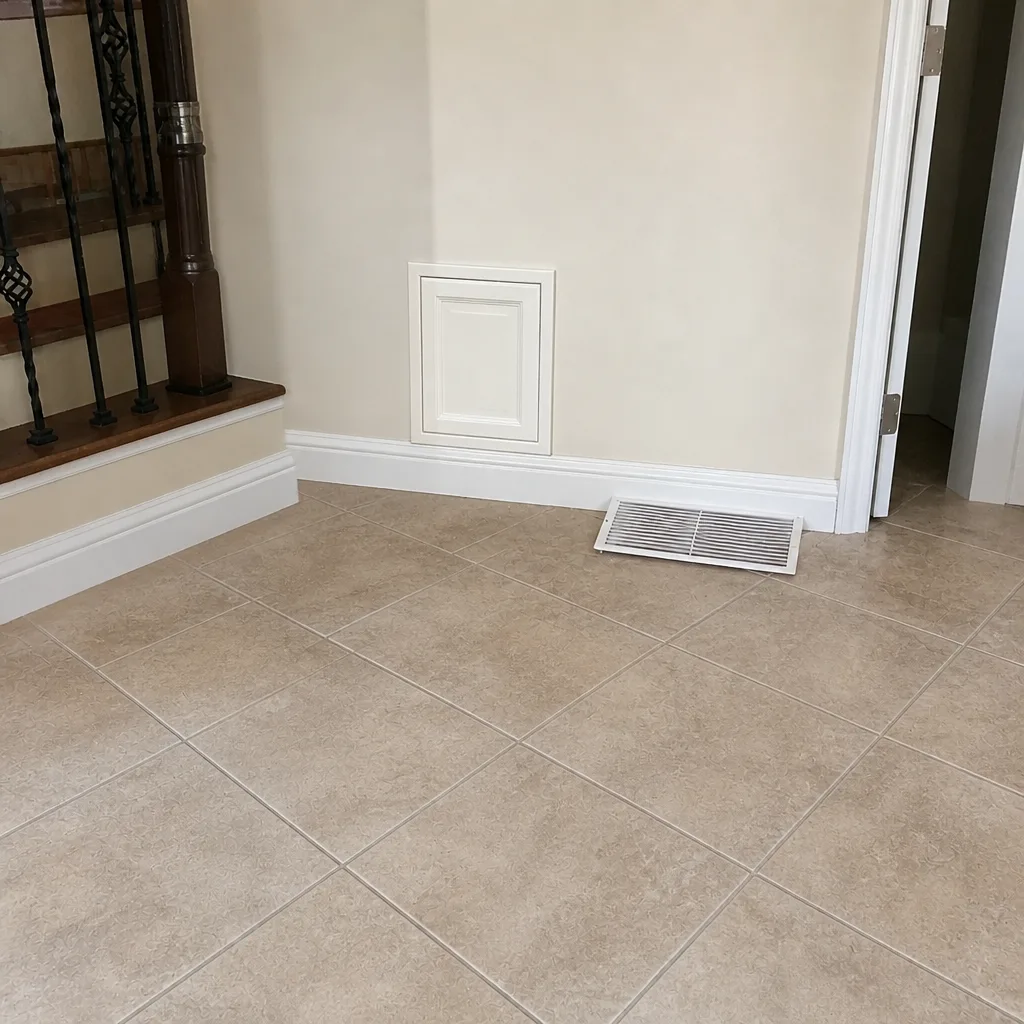 After
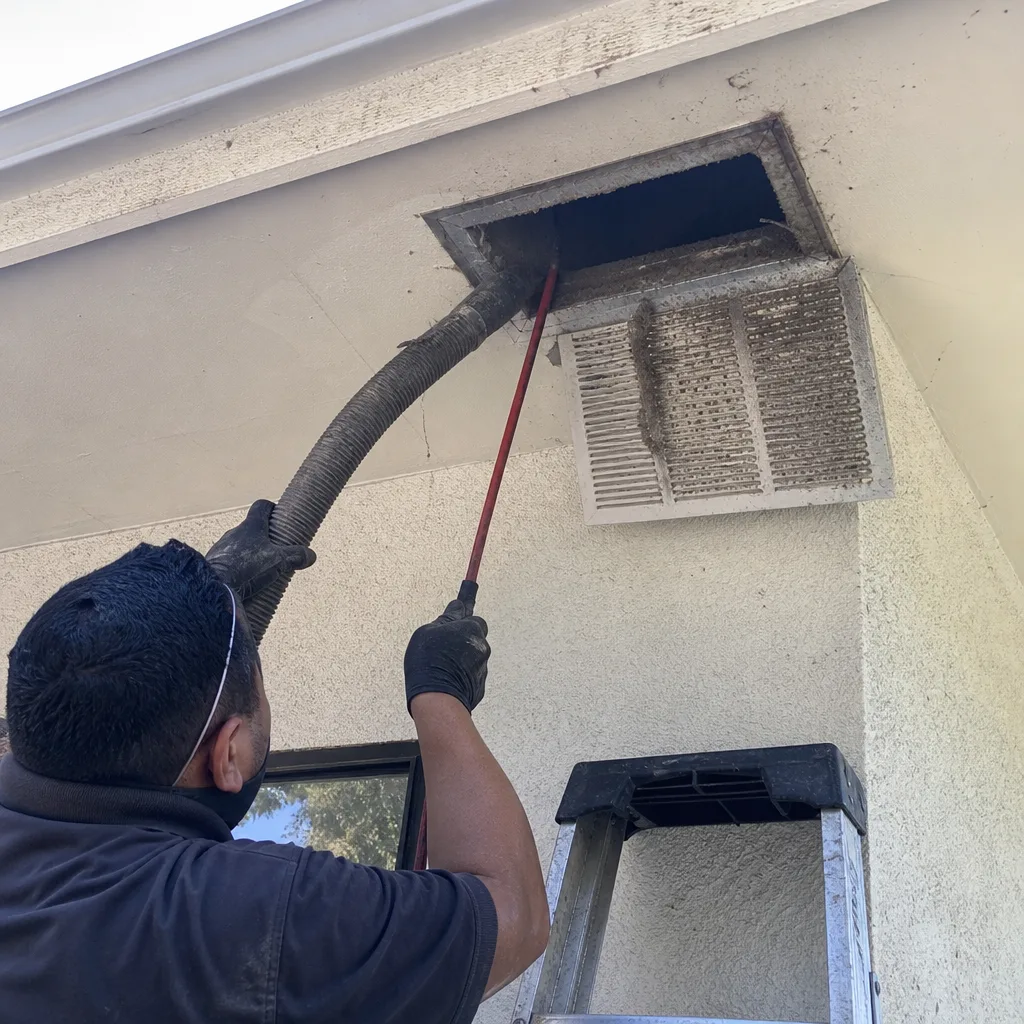 Before
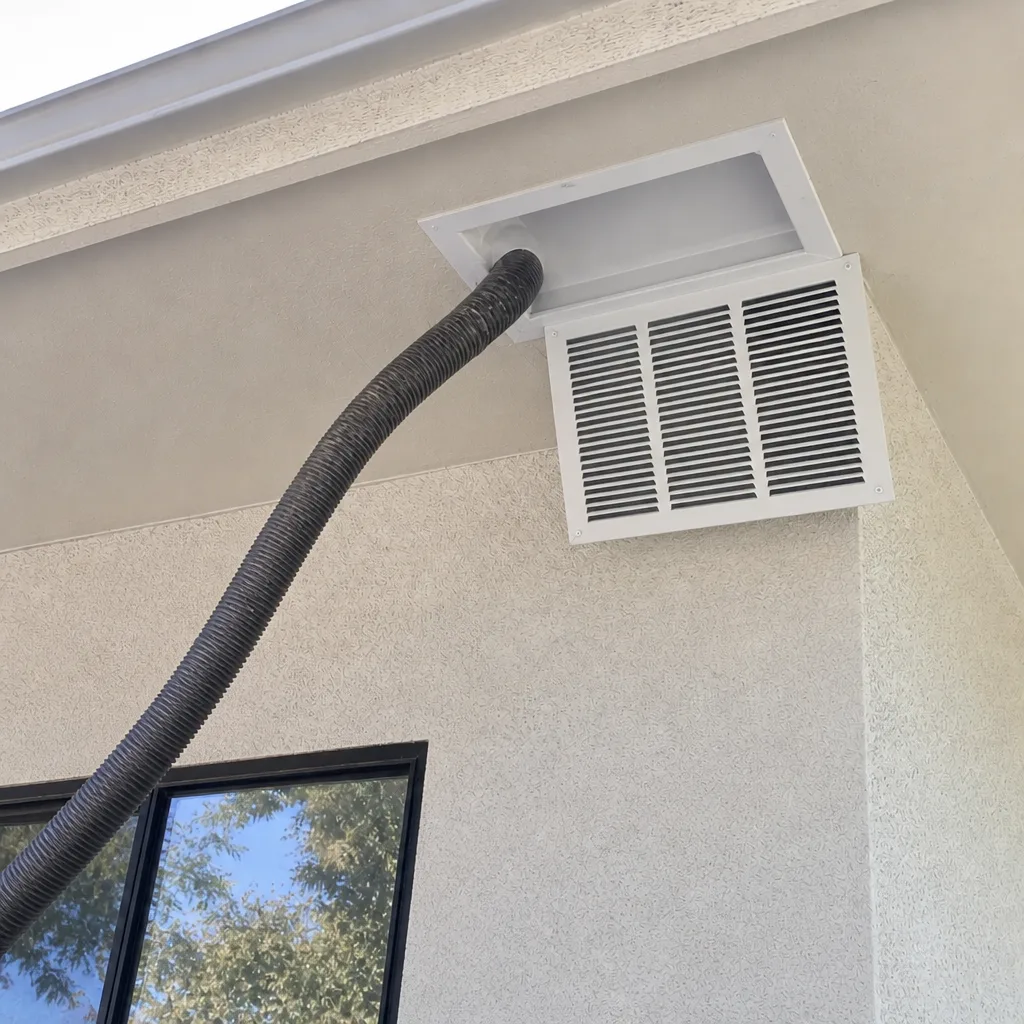 After