
Last updated November 24, 2026
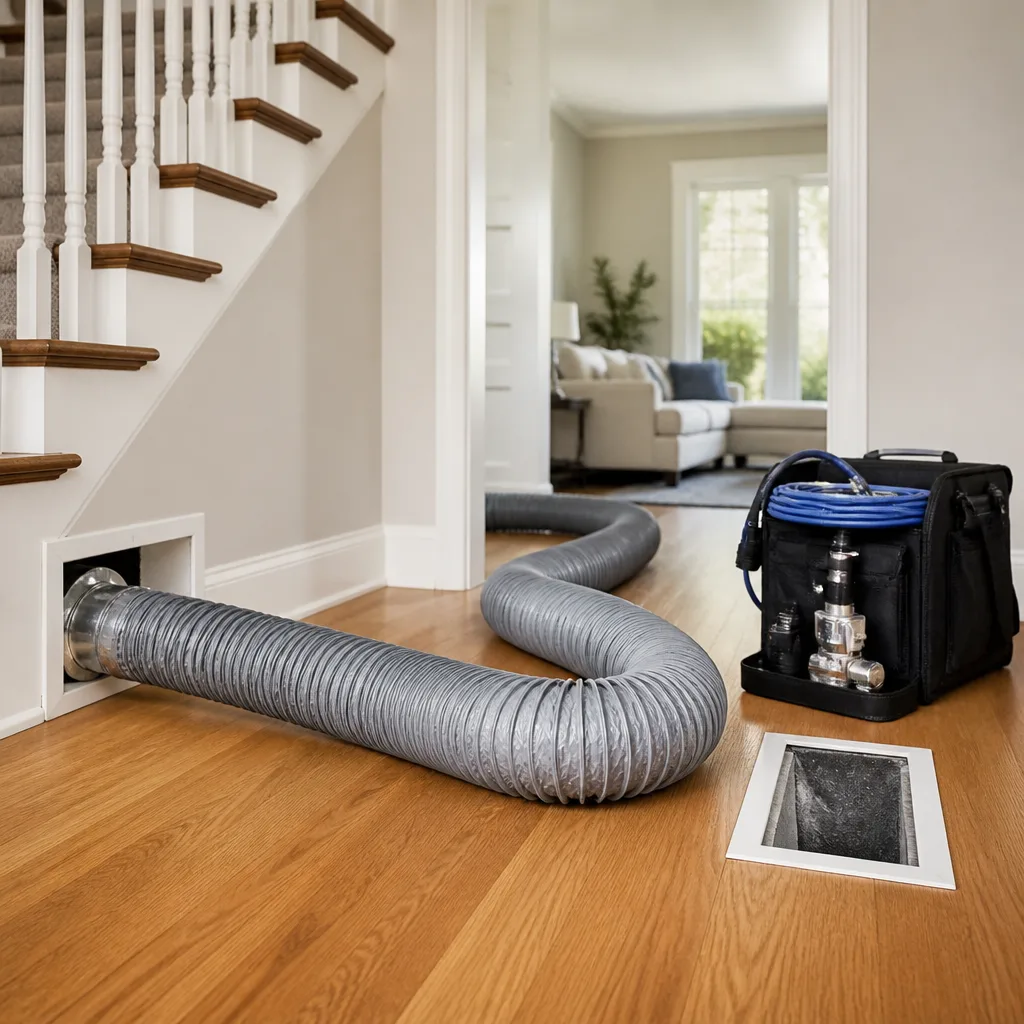 Whole-home duct cleaning
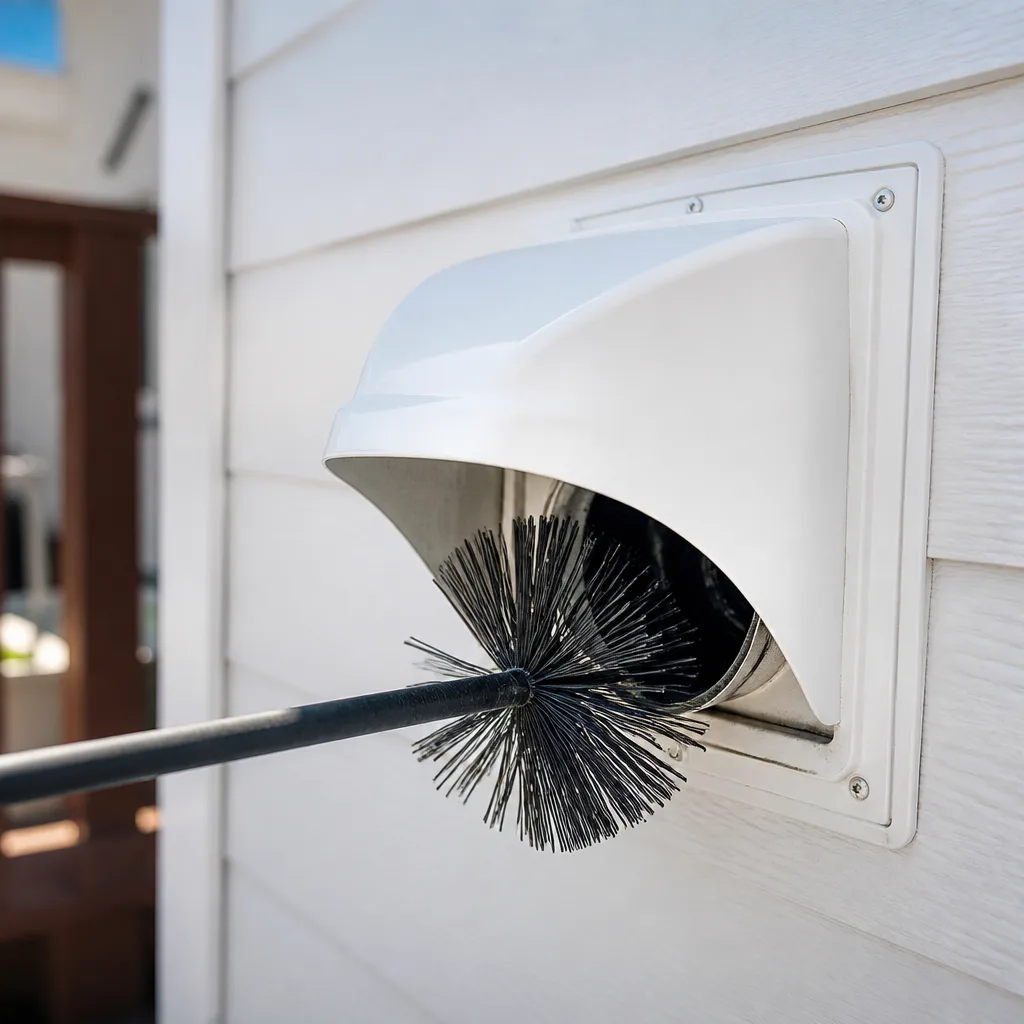 Dryer vent cleaning
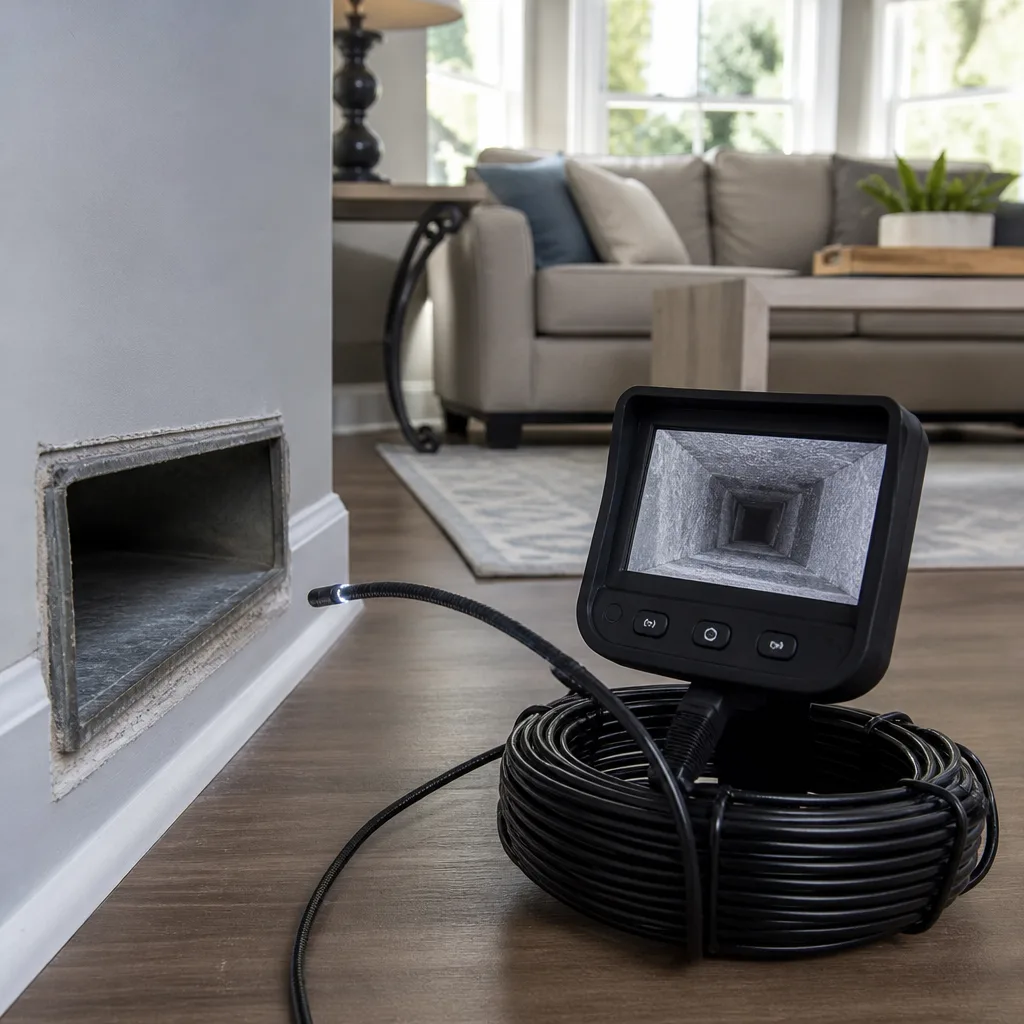 Camera inspection
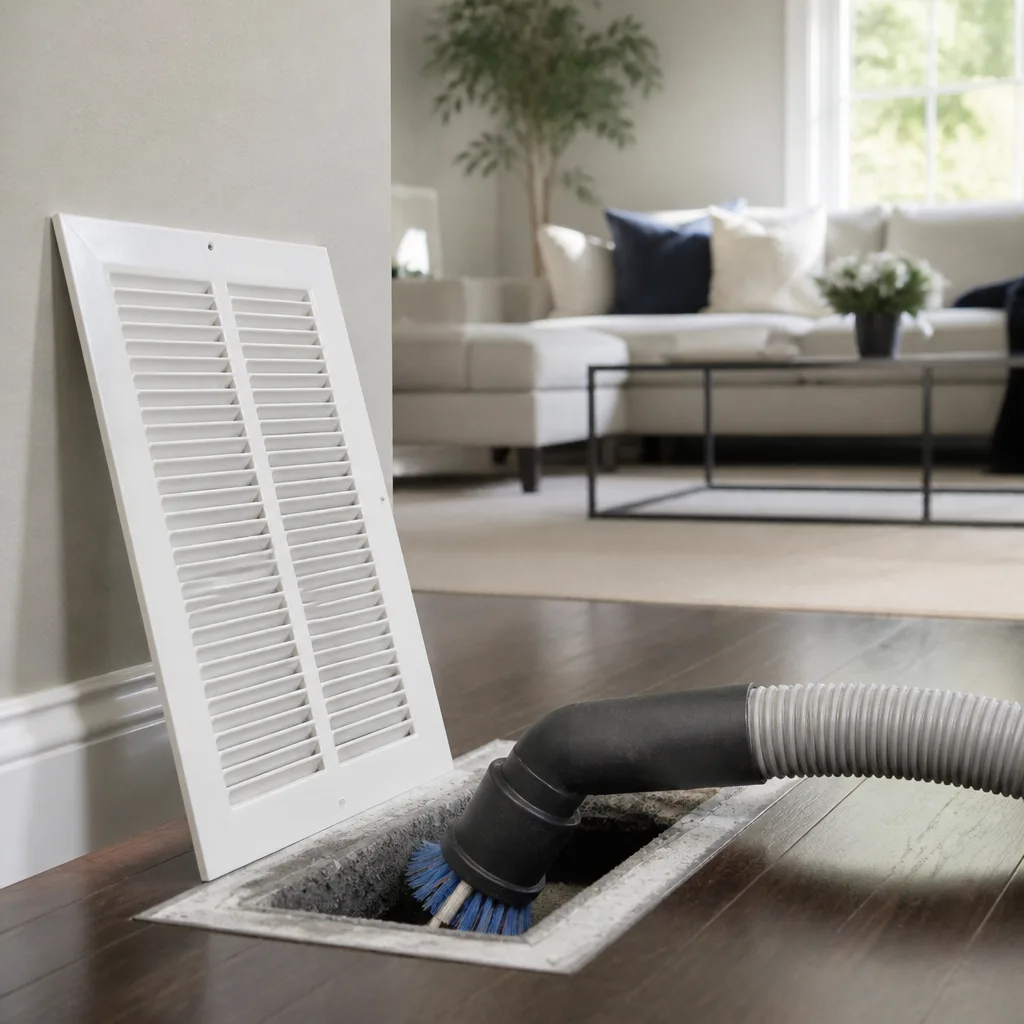 Sanitizing & deodorizing
Whole-system duct and dryer vent check with before-and-after photos - you see exactly what came out of your vents
That "$99 whole-house special" is a bait ad - the real number appears once they are in your hallway, or the "clean" is a shop-vac at the register. We photograph the inside of your ducts before and after instead.
Air Duct Cleaning Warning Signs: A Turtle Rock Homeowner’s Reference Guide
By the time you can see dust blowing from a supply register, the problem has usually been building for a year or more. The visible puff is the late stage, not the early one. The signals that actually matter in a Turtle Rock home are quieter: a room that never quite cools, a musty smell in the first few minutes after the system kicks on, a utility bill that creeps up while your rates stay the same. Most of us normalize those things because they arrive slowly and feel like ordinary house behavior. This guide walks through each early warning sign, how to test it yourself, and how to tell a cleaning problem from a repair problem, so you can act before a small restriction becomes an expensive one.
Quick Answer
The main warning signs of a duct system worth inspecting in Turtle Rock are inconsistent room temperatures, a musty odor that appears only in the first few minutes of system startup, rising energy bills with no rate change, visible dust at registers, and a whistling or weak airflow at one vent while others perform normally. Most of these appear long before mold or a collapsed duct is visible. If you notice two or more together, an inspection is the practical next step.
Styles & brands we work with
- Whole-home duct cleaning
- Dryer vent cleaning
- Camera inspection
- Sanitizing & deodorizing
Table of Contents
- The Cold Start Odor Pattern
- Uneven Room Pressure: The Tissue and Door Test
- Rising Utility Bills Without a Rate Change
- Construction Dust vs. Biological Growth
- The Quiet Signs Most Homeowners Miss
- How to Test Your Own Ducts: A Step-by-Step
- When It’s Cleaning vs. When It’s Repair
- Why Equipment Matters More Than the Quote
The Cold Start Odor Pattern
A musty smell that turns up in the first few minutes of HVAC startup and fades after ten minutes is one of the most useful early signals your duct system will give you. The pattern matters more than the smell itself. A brief odor at startup points to something particular developing along the air path, not to a general house smell. Once the system has run for a stretch, the air dilutes it and it becomes hard to notice. That’s why so many homeowners describe the smell as “sometimes” rather than “always.”
What’s happening: during the hours the system sits idle, moisture can collect in a few specific places, and the paper or fiber surface inside those areas creates the conditions biological growth needs. When the fan starts up, it pushes air across that material and carries the first evidence into the room. Once running, the growth keeps producing, but the concentration drops below what most people can detect.
The damp spots in a Turtle Rock home are usually the same handful of places:
- Inside flex duct runs that pass through unconditioned attic or crawlspace areas
- At the evaporator coil and drain pan where condensation forms as part of normal cooling
- Filter frames where a filter has stayed in place past the point it should have been changed
- Joints where duct tape has failed and humid air is drawn into the return side
If the odor is sharp and chemical, that’s a different signal: it often points to an overheating motor or a failing component, and it should be checked sooner rather than later. Musty and earthy is the pattern we’re describing here.
Uneven Room Pressure: The Tissue and Door Test
Rooms that don’t heat or cool evenly are usually described as “a house thing.” In most cases they aren’t, they’re a duct thing. When a supply run is partially blocked or a duct joint has opened up, that room gets less air than the system is sending its way, and the whole house has to compensate. The two tests below tell you, in under five minutes, whether the problem is airflow distribution rather than the equipment itself.
The tissue test
Hold a single-ply tissue against each supply register while the system is running on its normal setting. Paper that flutters steadily on every vent means airflow is roughly even. Paper that clings to one register and barely moves on another is your first clue that the duct serving that room is restricted. Do this on a mild afternoon so the system is running but not fighting a peak load.
The door test
Stand inside a room with the door closed and slightly pinch the edge of the door with your fingertips. If you feel noticeable suction pulling the door inward, the room is under negative pressure, meaning it isn’t getting enough supply air to balance the return. If you feel air pushing out around the door, the room is pressurized, meaning the return side is constricted or the supply is over-sized for the room. Both point at a duct balancing problem that a proper inspection can identify.
In Turtle Rock, hillside homes with split-level layouts often show the strongest version of this pattern: the upper floor cools faster than the lower floor, and the lower floor never quite catches up. That’s a common signature of a return duct that isn’t pulling its share from the warmer level.
Rising Utility Bills Without a Rate Change
A utility bill that climbs month over month while your rate per kilowatt-hour stays the same is one of the earliest indications of duct leakage or restriction, and it shows up before anything else. Here’s why: when a duct joint opens up in the attic or crawlspace, the system starts pulling in outside air or losing conditioned air before it reaches the room. The blower works harder, the system runs longer, and the bill climbs, without any noise or smell to alert you. A partially blocked return has a similar effect, because the fan has to work against more resistance to move the same volume of air.
What to watch for:
- An energy bill that climbs in steps over several months, not one sudden jump
- Bills that are higher than neighboring homes of roughly the same size running similar settings
- Equipment that runs longer than it used to, or cycles on more often
- A bill that goes up while the temperature outside hasn’t changed much
The tricky part is that utility bills also move for reasons unrelated to the ducts: rate adjustments, a new appliance, a change in how many people are home. That’s why the signal isn’t a single high bill, it’s a trend. Compare three or four months side by side and look for a gradual line, not a spike.
Air sealing is part of the answer here. When we inspect a system, we’re looking for gaps at joints, at the boot where the register meets the wall, and at the connection point between the main trunk and each branch. Duct repair and sealing closes those gaps so the system isn’t quietly leaking conditioned air into a crawlspace, and so the blower isn’t fighting a restriction every cycle.
Construction Dust vs. Biological Growth
Not all contamination behaves the same way, and the difference in how the symptoms appear tells you what you’re dealing with. Construction dust shows up as a sharp spike in visible dust and register residue right after work in the home, then tapers as the system pulls in fresh air. Biological growth shows a slow gradient: a gradual increase in musty odor, a slow build of dust at the registers, and a creeping symptom pattern over months. Homeowners who have lived through a remodeled room know the sharp version. The gradient version is the one that gets ignored for years.
Here’s how the two patterns usually read in a home:
- Construction dust (sharp spike): heavy dust at registers in the days following drywall, sanding, or a flooring project; a visible coating on return grilles; symptoms ease over several weeks once the work is done and filters are changed.
- Biological growth (slow gradient): a musty smell that appears in the first few minutes of startup; increasing nasal or throat irritation in one or two household members; a slight but steady increase in dust over months; filters that load faster than usual.
A construction spike is mostly a scheduling problem: clean after the dust has settled out and use the right equipment to avoid redistributing it. A biological gradient is a cleaning and moisture problem, which is where air sanitizing fits alongside a full duct cleaning. Fine particles and mold spores need proper extraction, not a shop vacuum. That’s the reason our work uses Abatement Technologies equipment: extraction rated for particulate and biological contaminants, beyond what a consumer vacuum can address.
The Quiet Signs Most Homeowners Miss
The warning signs that actually lead to a repair or a full cleaning rarely get described out loud. They get absorbed. Here are the ones Turtle Rock homeowners most often normalize for a year or more before calling:
- A room that never fully cools or heats. It’s “the hot room,” or “the cold room,” and eventually everyone stops noticing it. The single room that lags behind the rest is often fed by a duct that’s restricted, crimped, or leaking.
- Dust that returns within days of cleaning. Light dust is normal. A noticeable dust film that reappears on surfaces within 48 hours points at a supply that’s pushing debris into the room.
- Filter changes that have become more frequent than they used to be. A filter that loads faster is either doing more work because the ducts are dirtier, or the system is pulling in unfiltered air through a leak.
- Allergy-like symptoms that get worse inside the home and better away from it. If the pattern holds through both cool and warm months, the air path is worth a look.
- Whistling or hissing at one register while the others run quietly. Restricted airflow through a partially closed damper, a kinked flex run, or a collapsed inner liner produces this sound.
- A dryer that takes noticeably longer than it used to. Lint buildup in the dryer vent restricts airflow, which slows dry times and raises fire risk. It’s a separate system from your ductwork but sits in the same air-quality conversation, which is why we treat dryer vent cleaning as a core service rather than an add-on.
Each of these by itself is minor. Two or more together, sustained over a season, is a pattern worth investigating.
How to Test Your Own Ducts: A Step-by-Step
You can narrow down a duct problem before anyone comes out. These tests won’t replace an inspection, but they’ll help you describe what you’re noticing, and they’ll tell you whether the symptoms point to airflow or to contamination. Do them on a mild day so the system is running on a normal cycle.
- Note the airflow at every register. Walk room to room with a single tissue and hold it against each supply. Write down which rooms have a strong flutter, a weak flutter, or none. You’re looking for outliers.
- Do the door test. Close the door to the room that’s performing poorly and pinch the edge with your fingers. Feel suction, no movement, or gentle push? Note which.
- Check the filter. Pull it out and hold it up to a light. A filter you can see through is fine; one that blocks the light is loading the system more than it should. Note the date you last changed it.
- Sniff at startup. With the system off for at least an hour, turn it on and stand near a central register. Note any musty smell and how long it lasts. Ten minutes or less is the classic pattern.
- Look at the registers. Wipe a white cloth or paper towel across a supply grille. A light gray film is normal dust. A thick coating, dark streaks, or visible fuzz is worth noting.
- Compare your last four utility bills. Same rate, same household, steadily higher usage? That’s your third data point.
- Note any sound changes. Whistling, rattling, or a fan that sounds like it’s working harder than it used to.
If you come away from that list with two or three flags, an inspection will save time. Combustion appliances and gas lines near ductwork should never be adjusted or moved as part of DIY testing, and if you ever smell gas, leave the home and call your utility.
When It’s Cleaning vs. When It’s Repair
Not every warning sign leads to a full cleaning. Some point to a repair, some to a replacement, and some are simply maintenance. Here’s how we sort it during an inspection:
Signs the system needs cleaning
- Visible dust buildup inside the register boots or at the grilles
- A musty odor at startup with no airflow complaints
- Filter loading faster than usual with no visible leaks
- Recent construction or renovation in the home
- A slow gradient of dust and allergy symptoms over months
Signs the system needs repair or sealing
- One room with measurably weaker airflow than the rest
- Whistling at a register or a fan that sounds strained
- A utility-bill climb that tracks with the airflow complaint
- A visible gap at a joint, boot, or trunk connection
- Dust reappearing on surfaces within days of cleaning
Signs the system needs replacement
- Flex duct with a collapsed inner liner that can’t hold its shape
- Duct runs that have come apart at multiple joints in difficult-to-access areas
- Insulation that has soaked through and lost its ability to manage condensation
- Flex runs that were undersized for the room from the start
Most homes we look at in Turtle Rock are in the first or second category, and often in both at once. Cleaning a system without sealing the leaks it just cleaned out is a short-lived fix, which is why we seal what we find. Duct repair and sealing is part of a complete job, not an upsell. A component that’s failing structurally needs a repair conversation, not a cleaning.
Why Equipment Matters More Than the Quote
The number on the estimate is the last thing to look at, not the first. Duct cleaning is done with a range of equipment, and the tool dictates what actually comes out of the ducts. A consumer-grade shop vacuum attached to a register pulls some surface dust and leaves the rest. Professional-grade equipment, run on a full system, extracts debris from the entire air path, not just the first few feet from the vent.
Our technicians use Rotobrush and Nikro duct cleaning systems, the same class of equipment used by commercial and restoration contractors. Abatement Technologies extraction handles fine particulate and biological contaminants. We also work with Aprilaire and Honeywell air quality components, which matters when the job touches filtration and humidity control, not just debris removal. And we apply Guardsman-grade surface and protection standards to job-site care so the home looks the way it did when we arrived.
Three questions worth asking any company before you hire:
- What equipment will be on-site, and is it rated for full-system extraction or just register-side vacuuming?
- Does the work include duct repair and sealing, or is that a separate contractor I’ll need to hire?
- Will I get before-and-after photos of my own ducts, not stock images?
If the answer to the second question is “separate contractor,” you’ll end up making two calls, and the second one may undo what the first one just did. Our air duct cleaning covers the duct runs, the registers, and the sealing work in one visit, and HVAC cleaning addresses the coil, blower, and cabinet so the air source is clean before it enters the ductwork. Clean air starts at the source, and the source includes the equipment, not just the pipes.
Common Mistakes to Avoid
- Judging a system by its oldest room. If one room has never cooled well, the tendency is to treat it as a structural reality of the house. In a hillside Turtle Rock home, that room is usually fed by a duct that needs balancing or sealing, and the fix is often smaller than expected.
- Waiting for visible dust before acting. Visible dust is the late stage. The cold-start odor, the bill trend, and the door test are the early stages, and catching them there saves both the cleaning and the repair.
- Cleaning without sealing. A cleaning that leaves leaking joints in place will let the same contamination return faster. Ask whether sealing is included, and expect the answer to be yes.
- Replacing a filter with a higher MERV rating without thinking about restriction. A filter the system wasn’t designed for can add resistance, and in some homes that increases the very airflow problem you were trying to fix. Ask what the system was sized for before switching.
- Ignoring the dryer vent because it isn’t part of the HVAC system. Lint accumulation in the vent is a known fire risk and a separate service from duct cleaning. If dry times have stretched, treat it as a safety item.
- Hiring on price alone. A low number that grows once a technician is on-site is a familiar pattern in this trade. Ask for a flat price per system, agreed before work starts, with before-and-after photos at the end.
- Diagnosing from a single symptom. Any one sign on its own is reassuring. Two or three together, sustained, is the pattern worth acting on.
See the difference
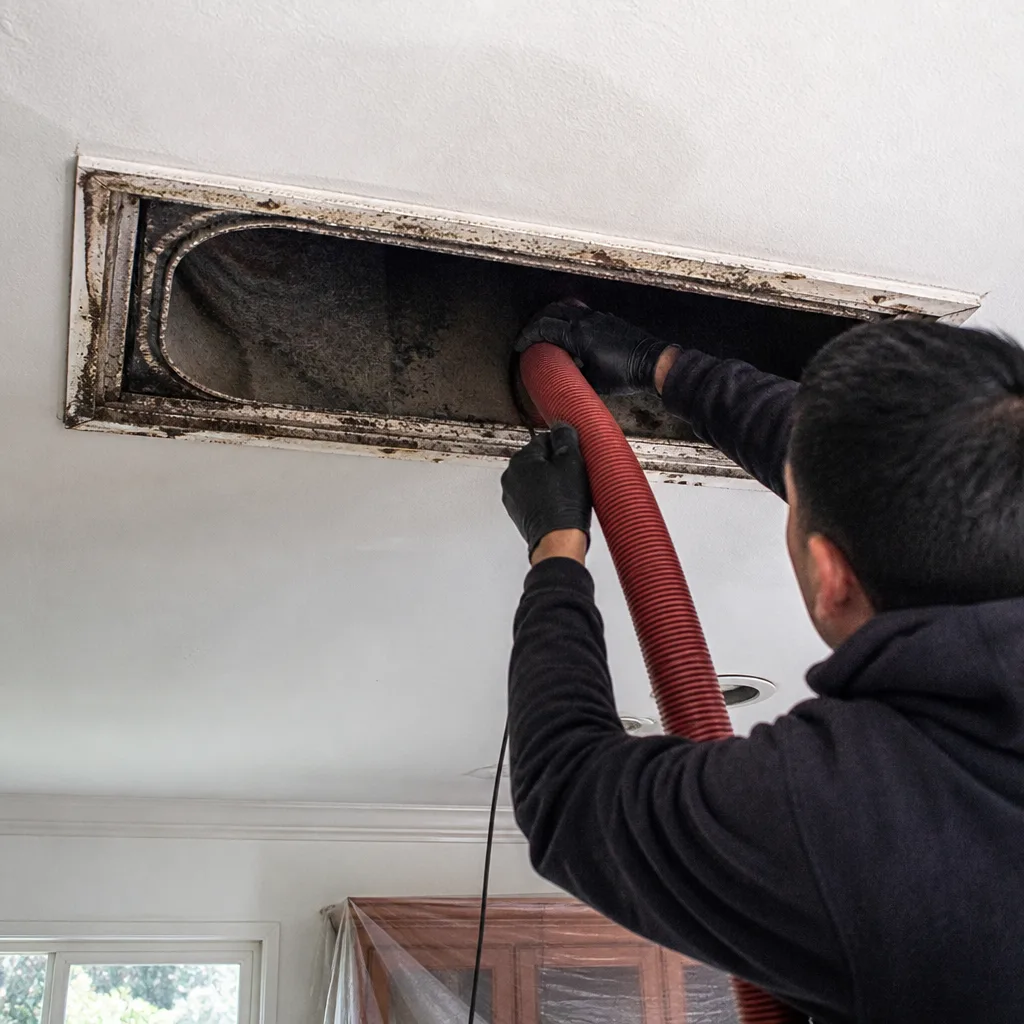 Before
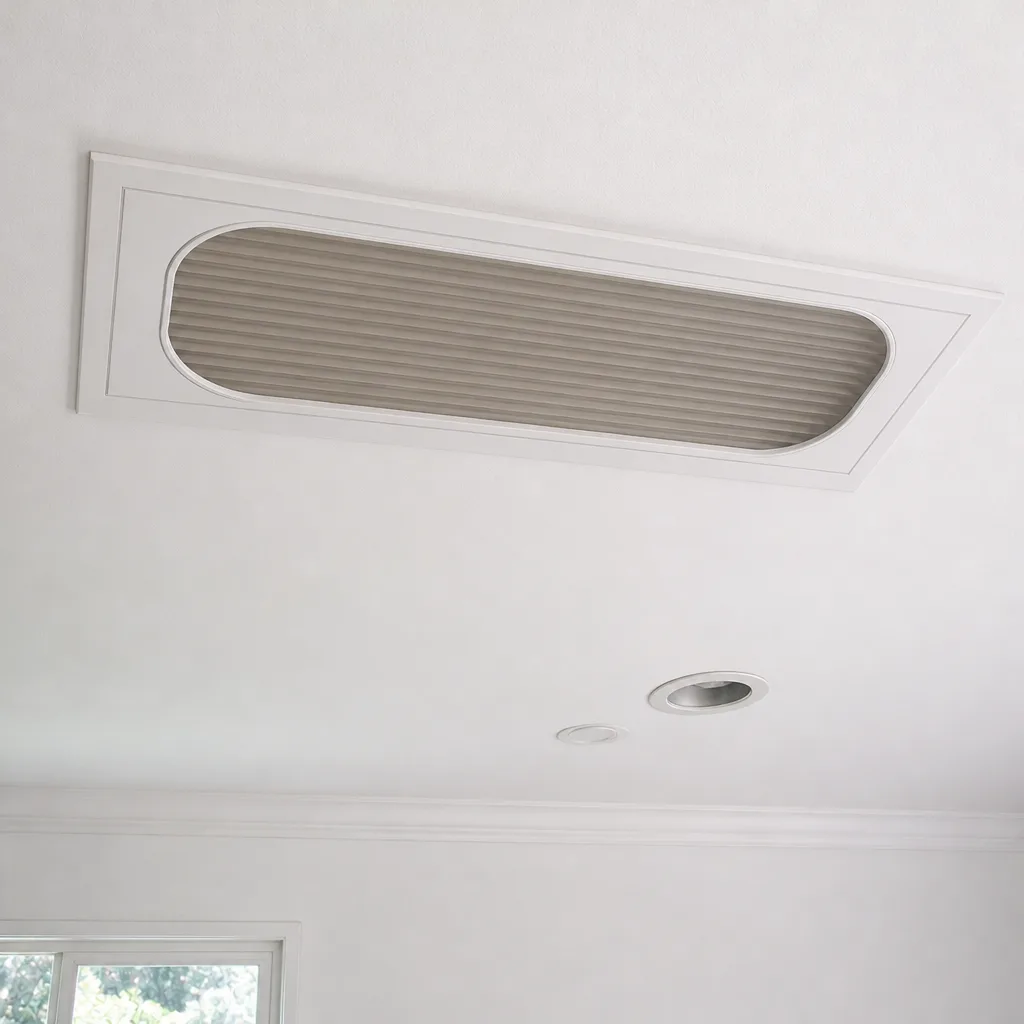 After
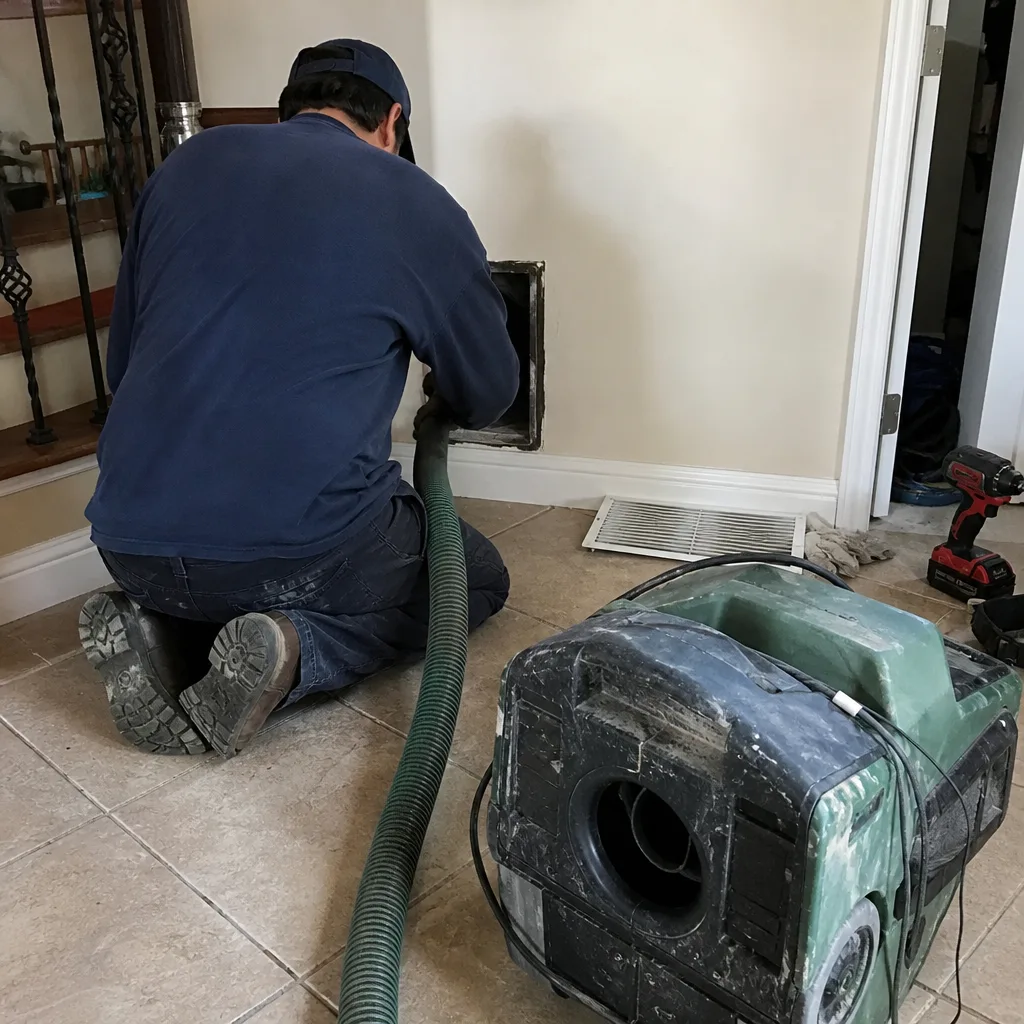 Before
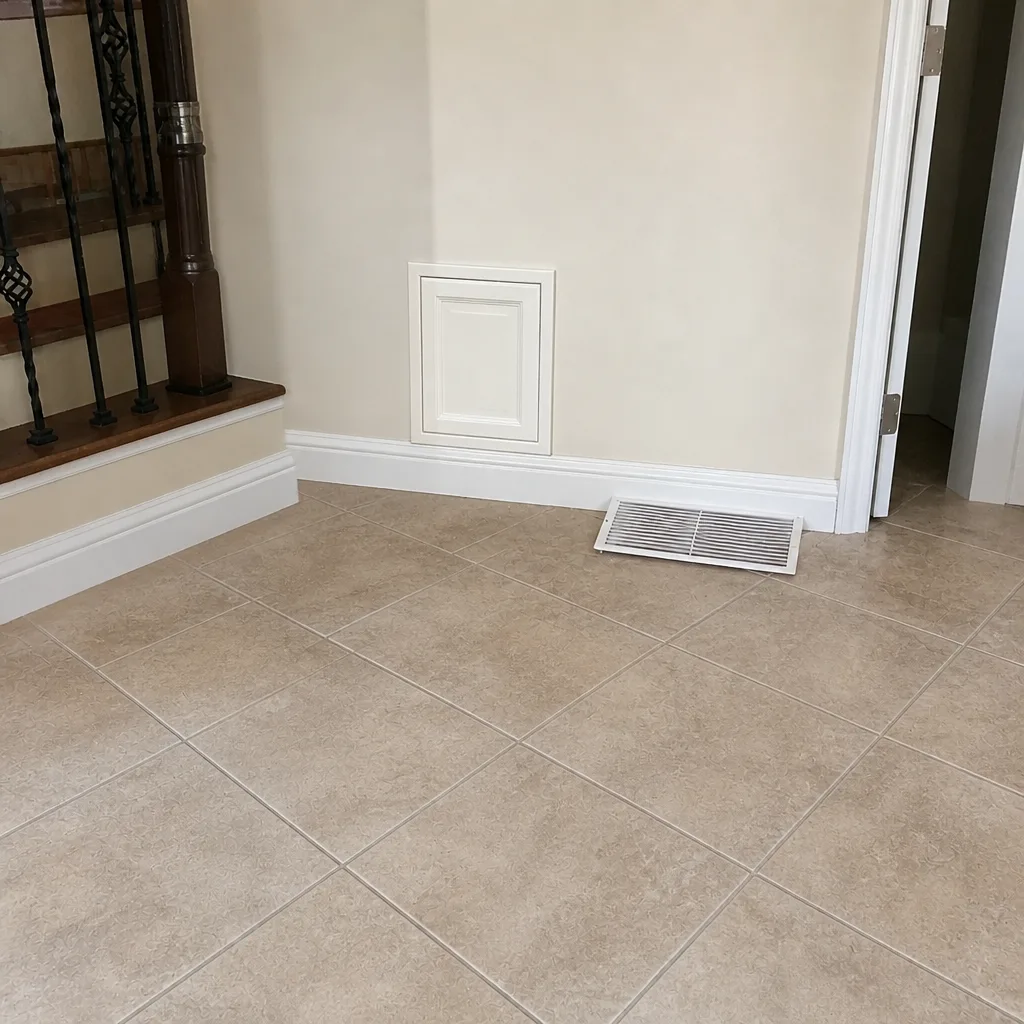 After
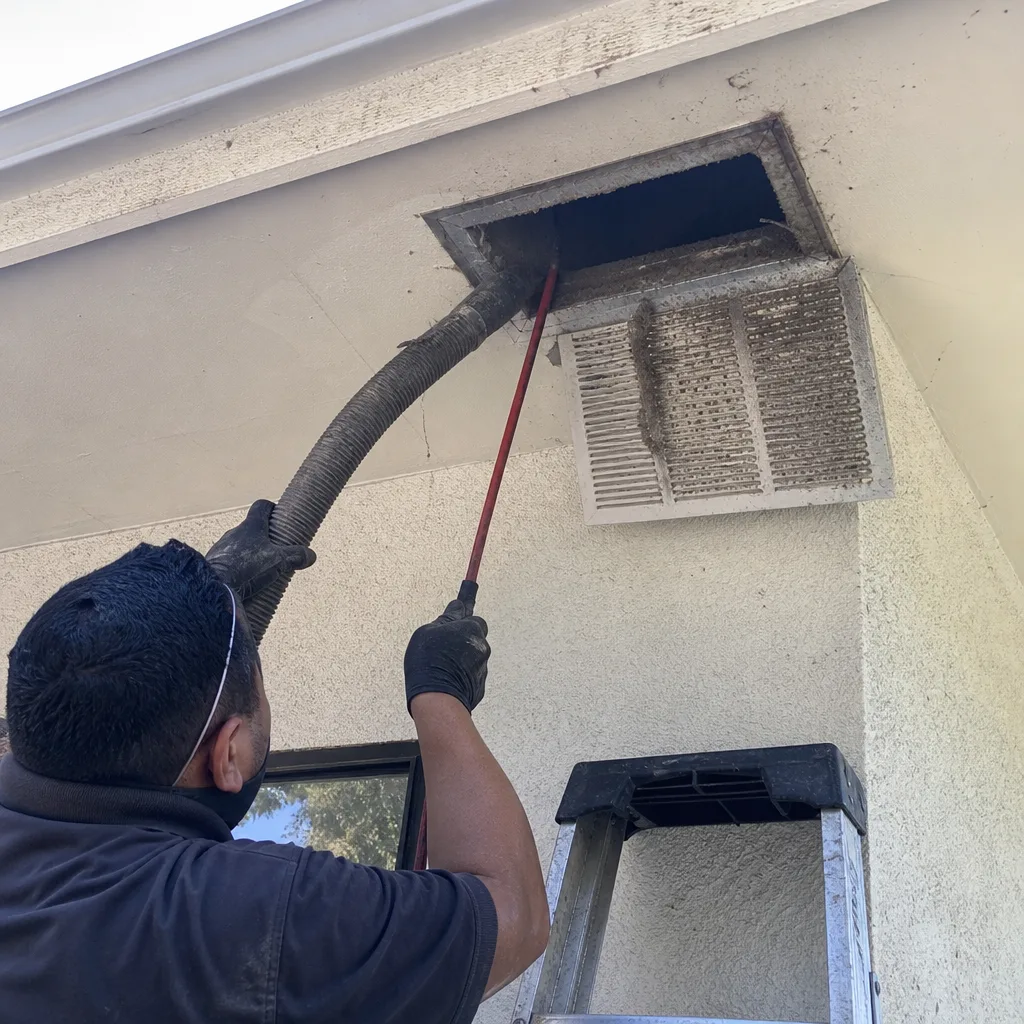 Before
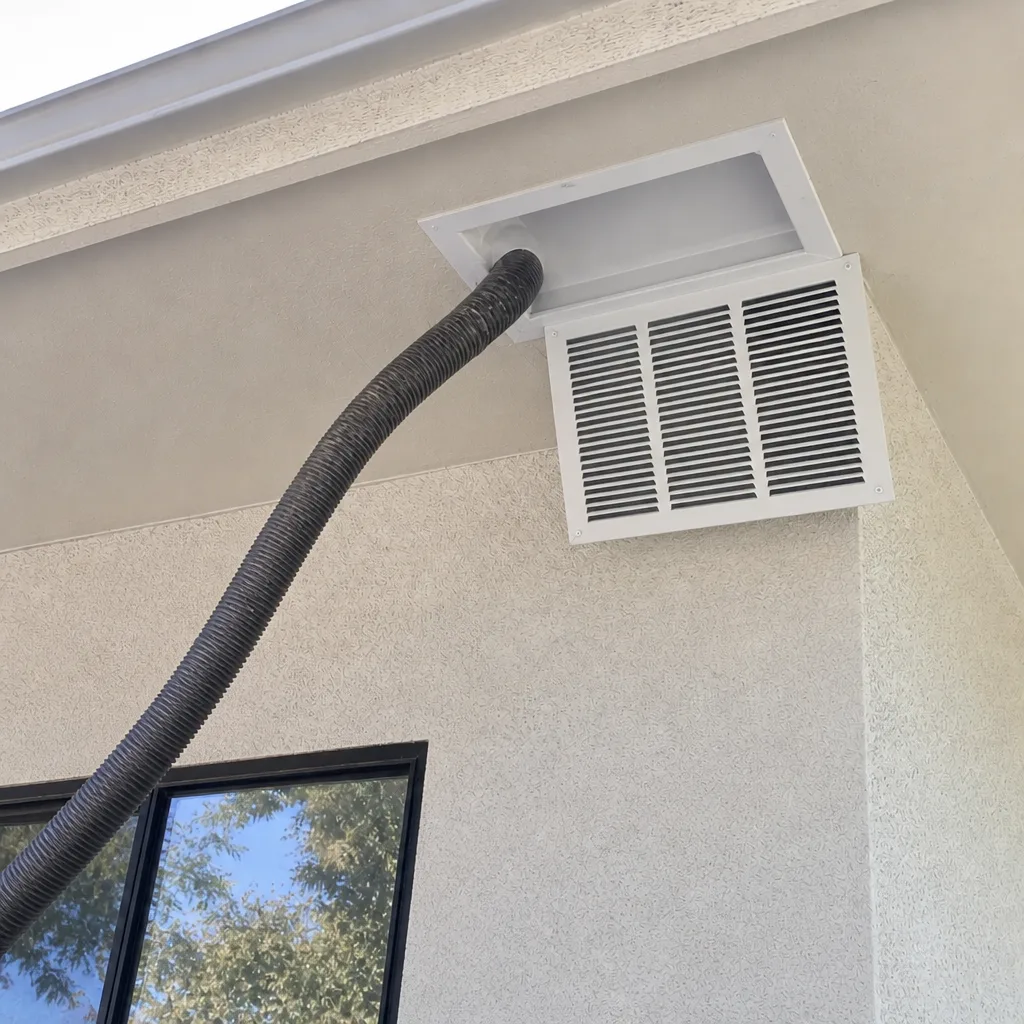 After
When to Call a Professional
Call when you’ve flagged two or more signs from the list above and they’ve held for a season. Call when a musty smell at startup has become noticeable to guests, not just to you. Call when one room lags behind the rest and the tissue test confirms it. Call when your utility trend shows a steady climb with no rate change. Call if a filter is loading faster than it used to and you can’t find a reason. Call if dry times have gotten longer. And call if you’ve just finished a renovation and want the system cleaned before you settle into the new space.
Our technicians have up to 11 years of experience reading exactly these patterns, and we bring professional-grade equipment to every job. Air Duct Cleaning Turtle Rock offers free estimates in Turtle Rock. Call (833) 700-4234. We answer 24/7. Fast dispatch from 7am to 7pm, Sunday through Friday. The local pro is licensed and insured as their state requires, and you get one flat price per system agreed before work starts, plus before-and-after photos of your own ducts.
Frequently Asked Questions
The earliest signs are usually a musty smell in the first few minutes of HVAC startup, one room that lags behind the others in temperature, and a utility bill that climbs gradually with no rate change. Visible dust at the registers typically comes later, after a year or more of accumulation. Two or more of these together is the pattern worth an inspection. Call (833) 700-4234 for a free estimate.
Because the smell is concentrated at startup and diluted once the fan has been running. During idle hours, moisture collects in flex runs, at the evaporator coil and drain pan, and around the filter frame. When the fan starts, it carries the first evidence of biological growth into the room, and within ten minutes that concentration drops below what most people can detect. If the pattern fits, an air sanitizing visit alongside a duct cleaning is the right conversation. Call (833) 700-4234 for a free estimate.
It’s priced per system, not per vent, and the written estimate sets the final price before any work starts. A whole-system clean is quoted after the technician sees the size of the home, the number of runs, and whether sealing is included. We don’t quote per-vent prices or teaser coupons. For an exact quote on your home, call (833) 700-4234.
Usually because they’re register-side vacuuming with a shop-class tool rather than full-system extraction with professional equipment. A low number that grows once the technician is on-site is a familiar pattern in this trade, and it usually means the work was never going to be a complete job at that price. Ask what equipment is coming, whether duct sealing is included, and whether you’ll get before-and-after photos. Call (833) 700-4234 for a flat-price quote.
Before-and-after photos of your own ducts, not stock images. Ask for them before you hire, and confirm that the photos will be taken inside your ductwork and not just at the registers. A technician who uses professional-grade equipment will have no trouble providing them. To schedule, call (833) 700-4234. We answer 24/7. Fast dispatch from 7am to 7pm, Sunday through Friday.
There’s no fixed schedule that fits every home. Renewed contamination depends on what’s going into the air path: pet dander, renovation dust, seasonal pollen, and moisture in flex runs all push the timeline shorter. A home with a musty gradient, faster filter loading, or recent remodeling benefits from a look sooner than one with no symptoms at all. Watch for the signs in this guide rather than counting years. Call (833) 700-4234 for a free estimate.
The Bottom Line
The signs that matter most are the ones easiest to ignore: a room that never quite cools, a smell in the first ten minutes of startup, a bill that creeps up with no rate change, a door that pulls when it shouldn’t. Visible dust and visible mold are late-stage evidence, and waiting for them usually means a bigger job. Read the early signs, test them yourself with a tissue, an open door, and a light behind the filter, then act on the pattern rather than on a single symptom. Cleaning, sealing, and the right equipment work together; one without the other leaves the same problem to resurface. Our technicians have up to 11 years of experience, and we work with Air Duct Cleaning Turtle Rock as our reference guide for how these jobs are scoped from start to finish. The local pro is licensed and insured as their state requires, and the estimate is free. Call (833) 700-4234. We answer 24/7. Fast dispatch from 7am to 7pm, Sunday through Friday.
Written by the team at Air Duct Cleaning Turtle Rock.