
Last updated November 24, 2026
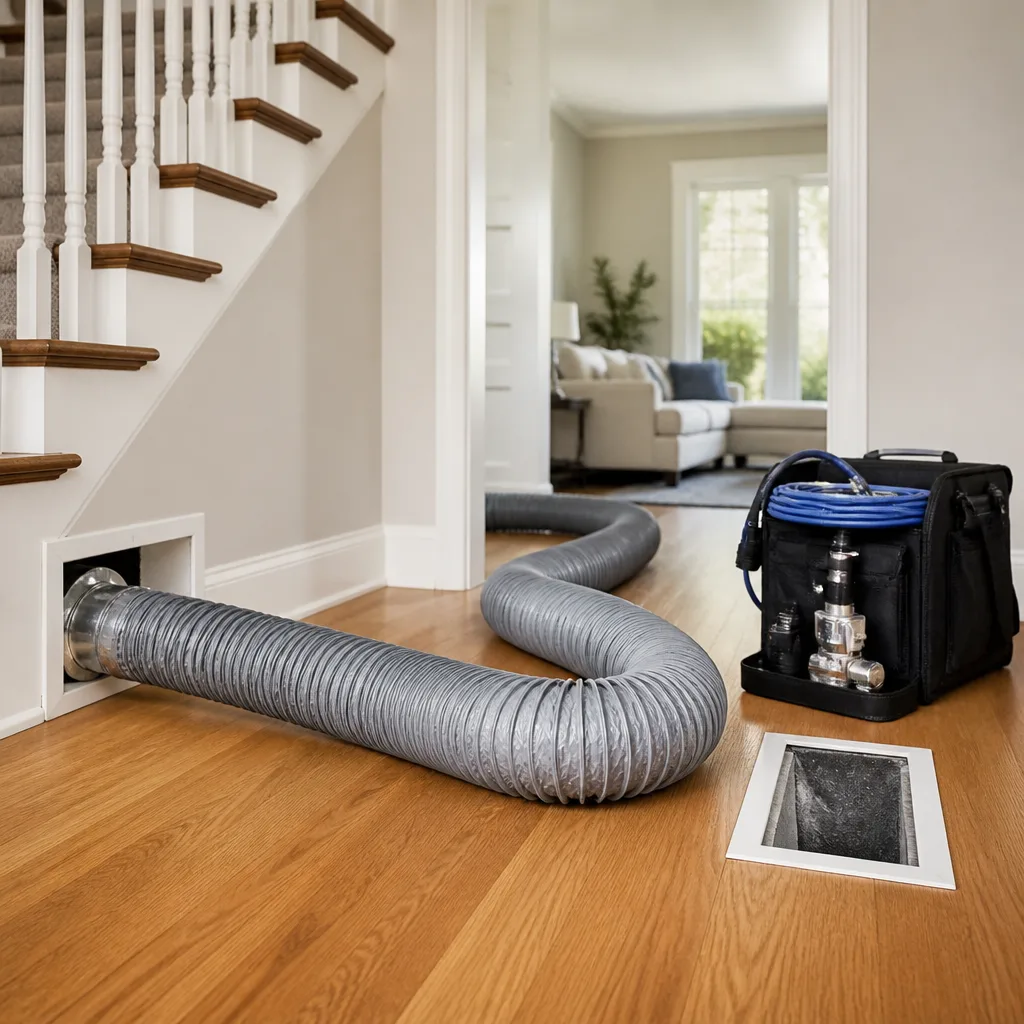 Whole-home duct cleaning
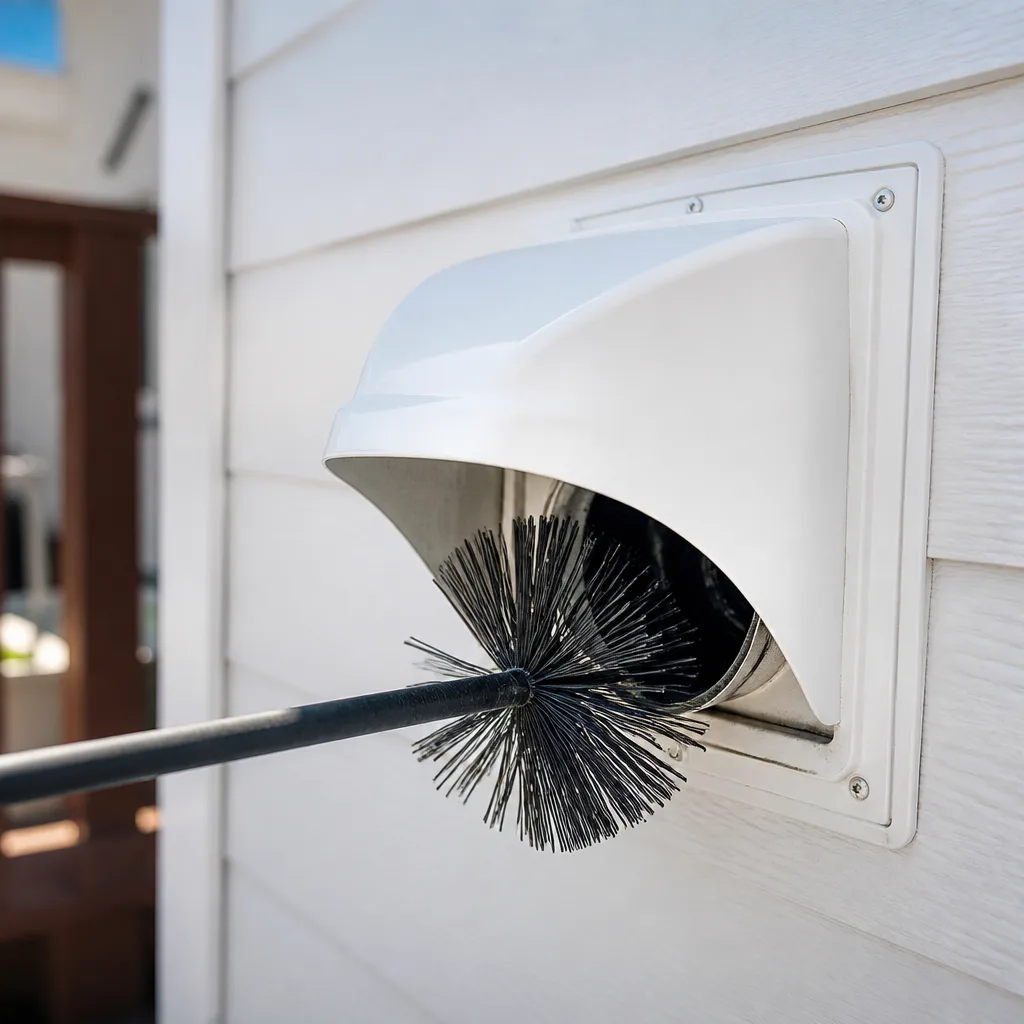 Dryer vent cleaning
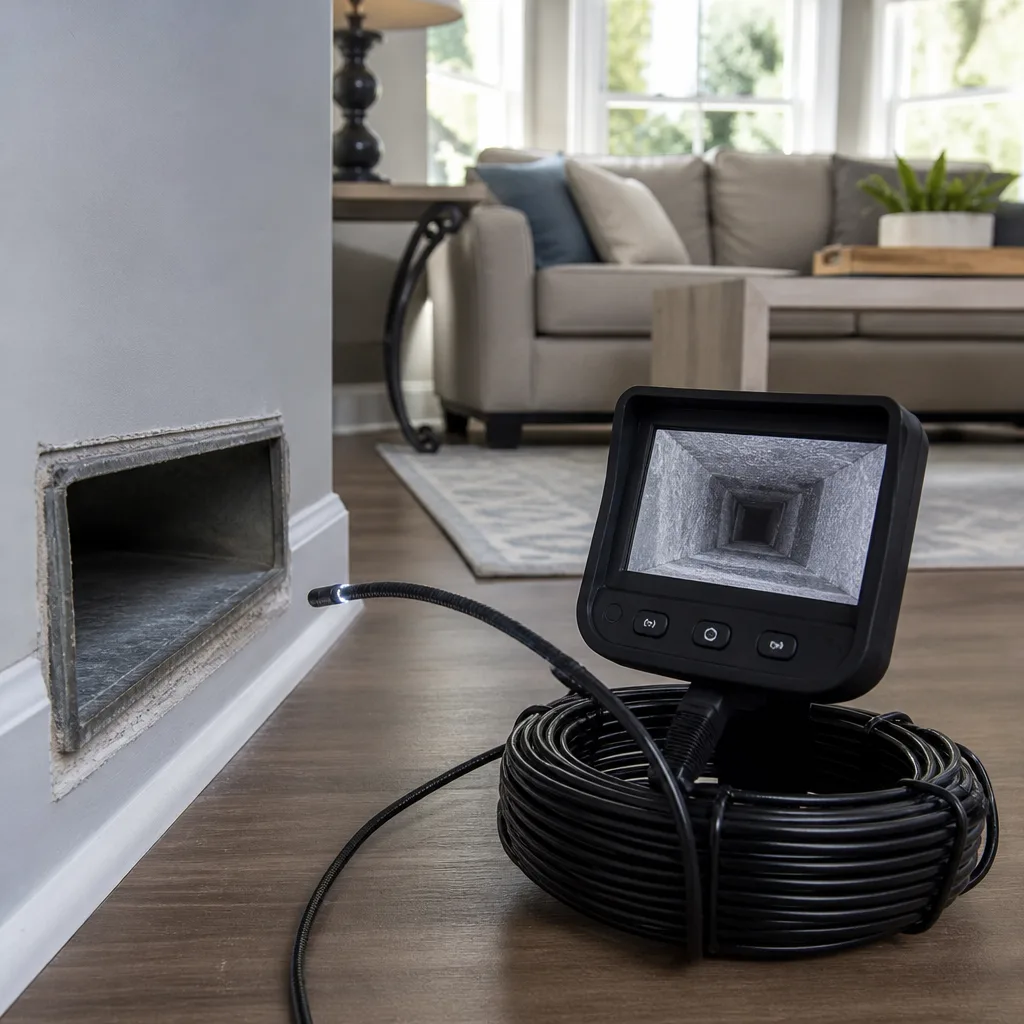 Camera inspection
 Sanitizing & deodorizing
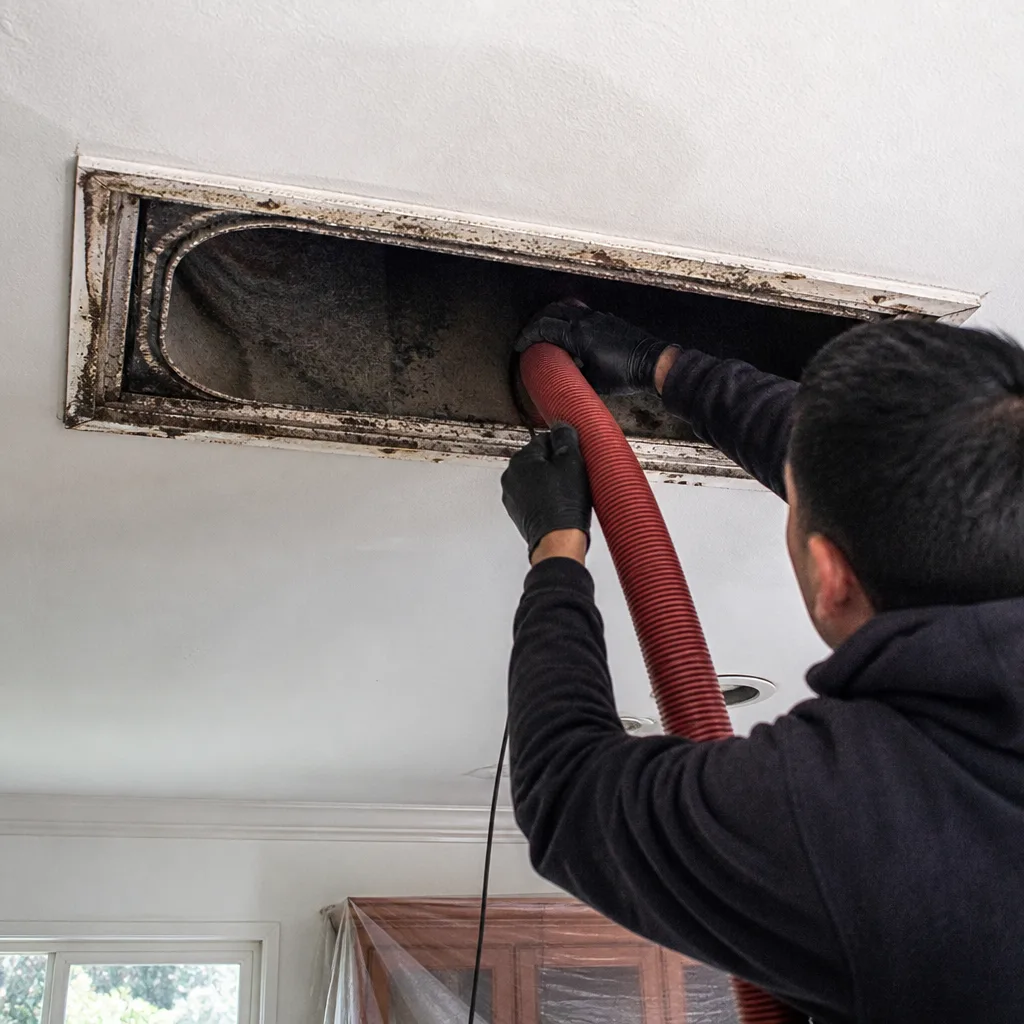
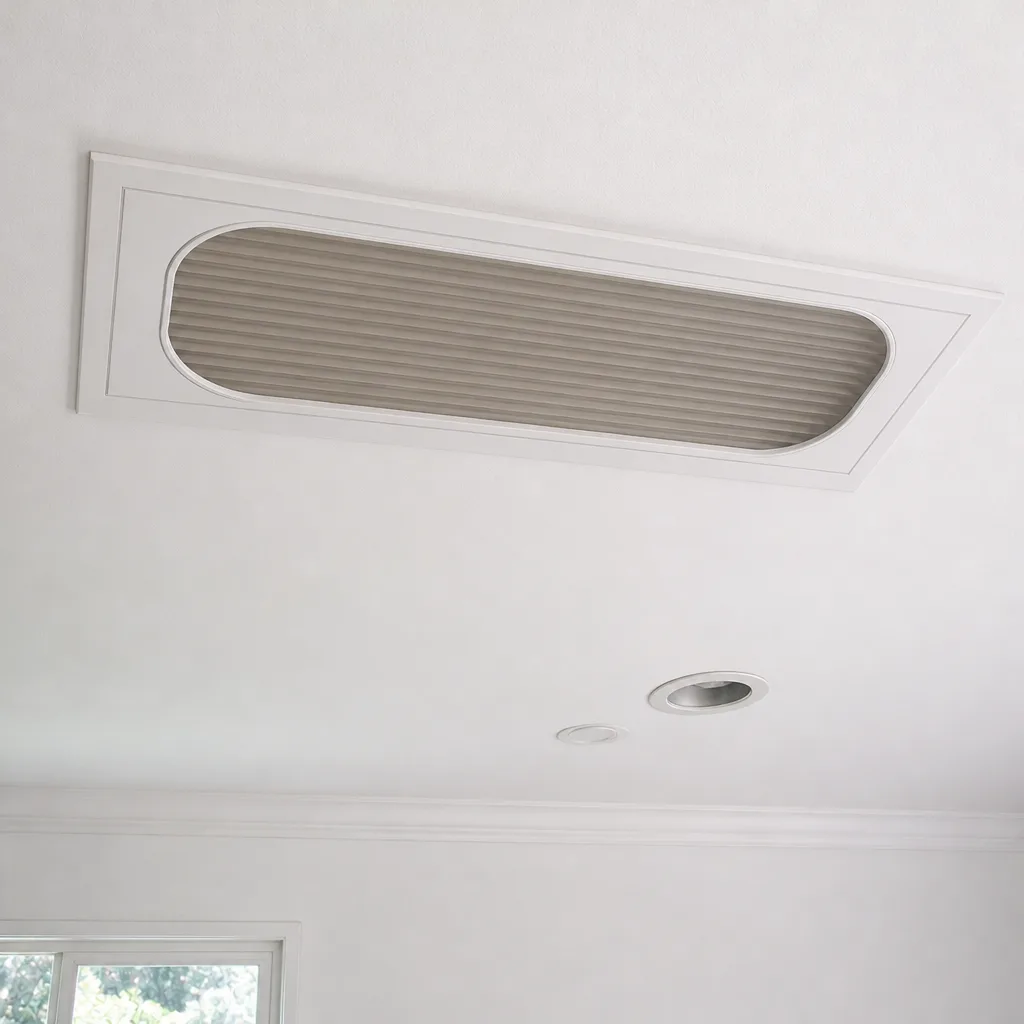
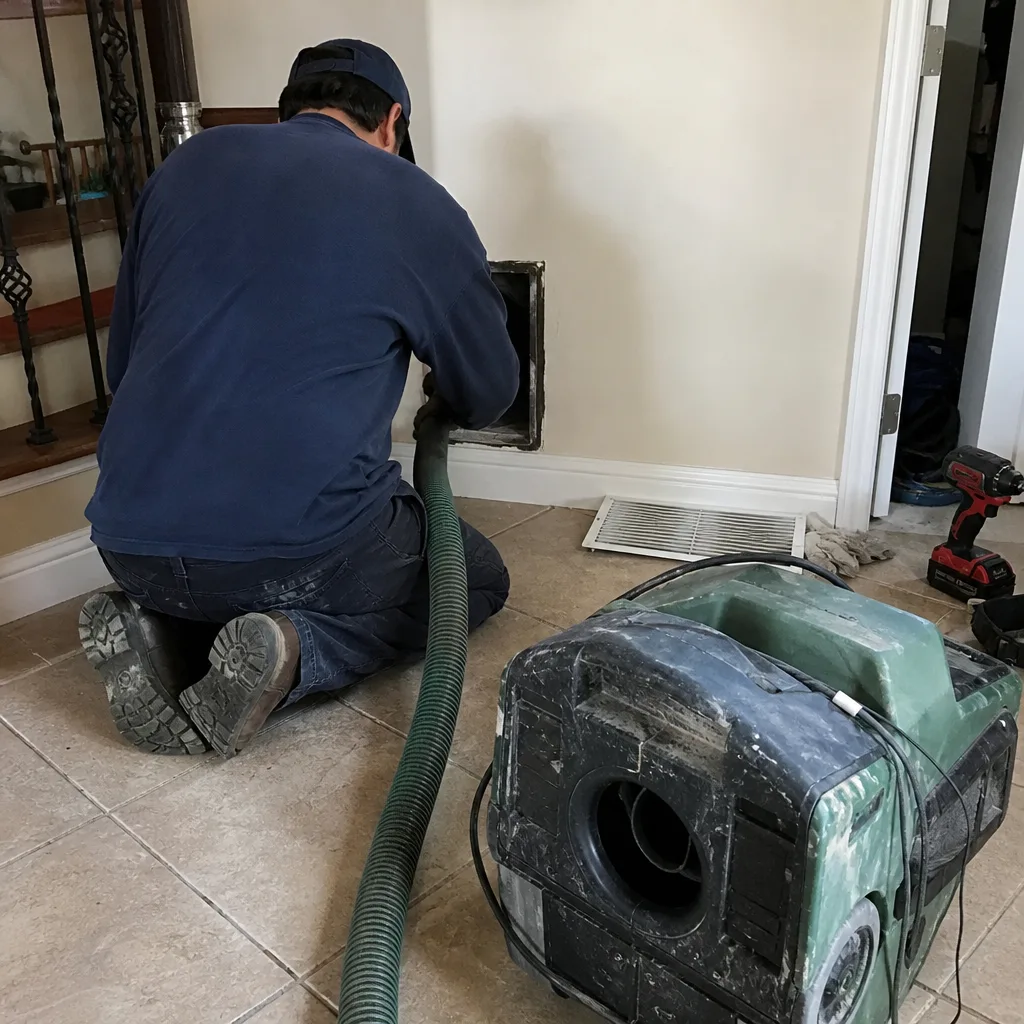
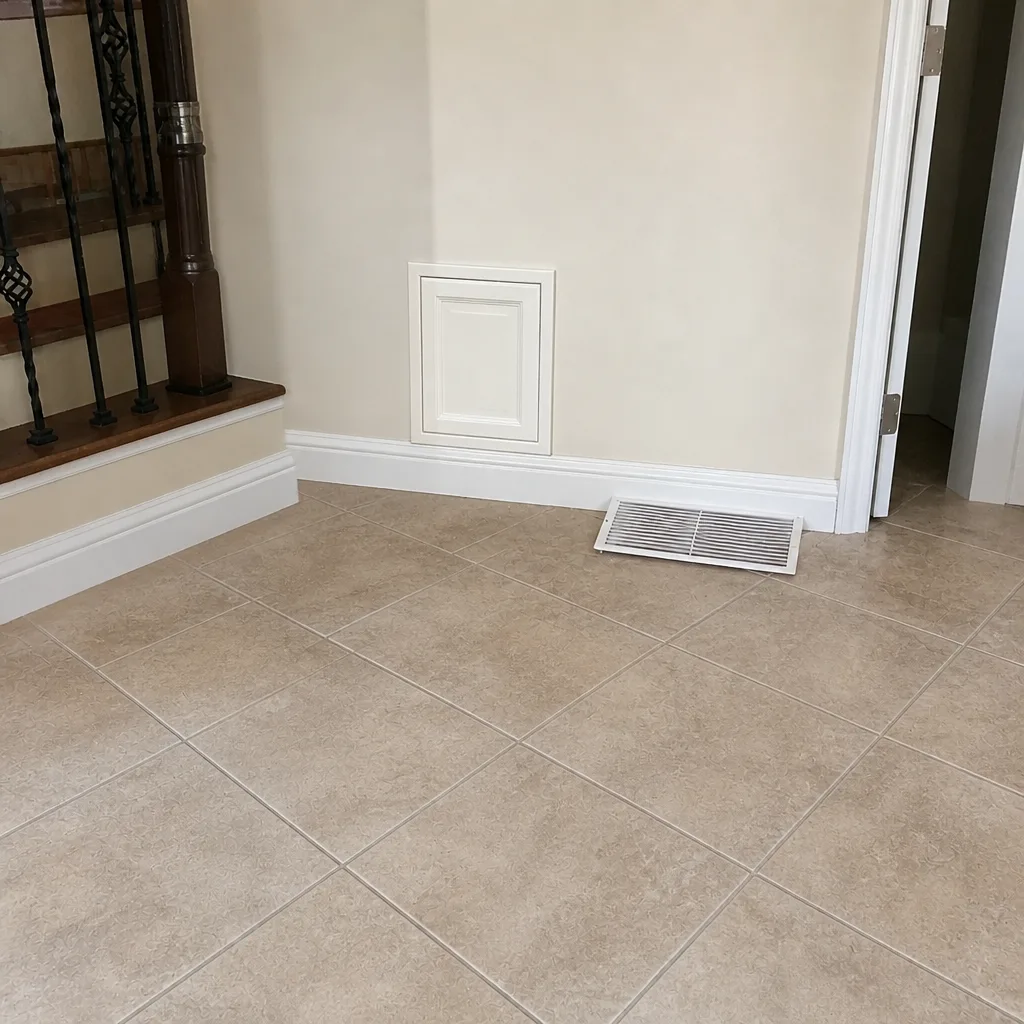
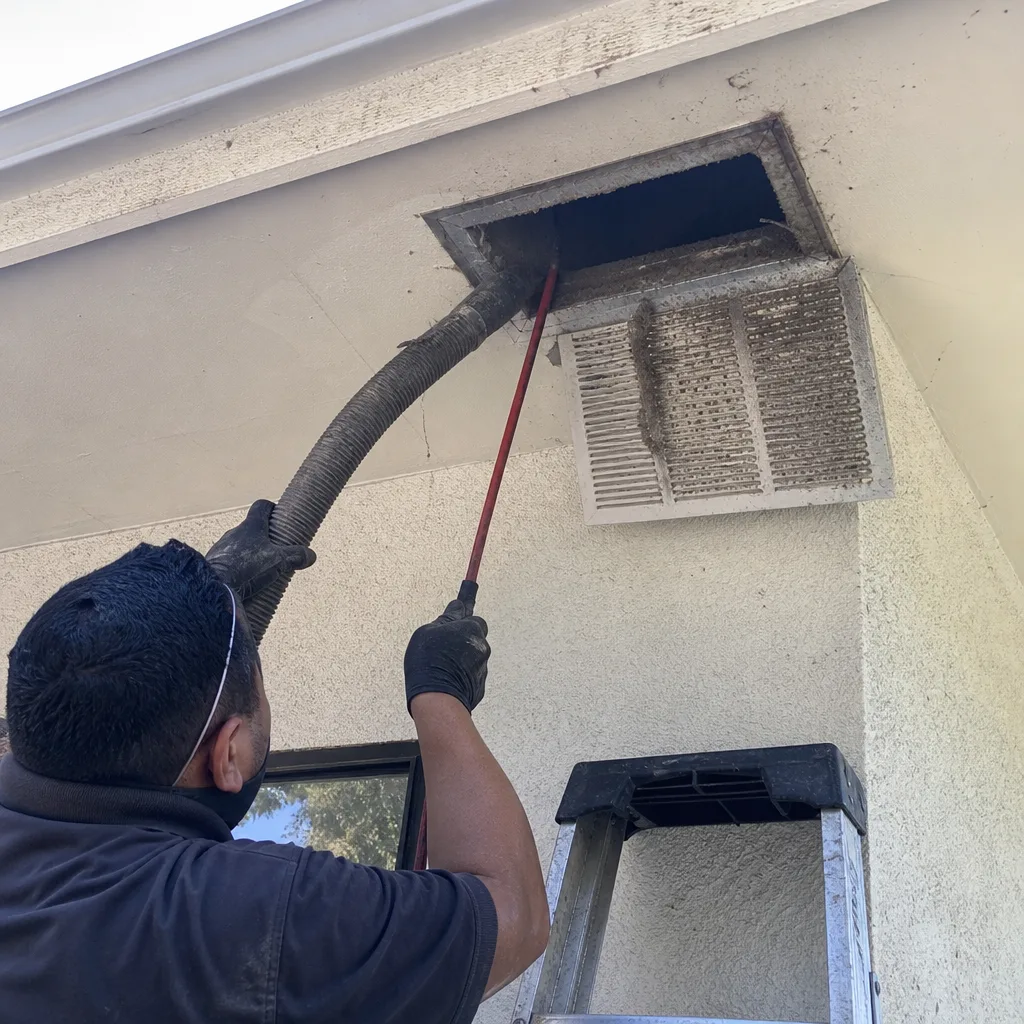
Whole-system duct and dryer vent check with before-and-after photos - you see exactly what came out of your vents
That "$99 whole-house special" is a bait ad - the real number appears once they are in your hallway, or the "clean" is a shop-vac at the register. We photograph the inside of your ducts before and after instead.
Air Duct Cleaning Permits, Codes & Inspections in Turtle Rock, CA: What You Need to Know
Here’s the part most homeowners never hear until it’s too late: no permit is needed to clean your ducts. But the moment a technician cuts into ductwork, adds a section, or reseals connections with mastic, you’re in permit territory under California Mechanical Code Section 603. Most Turtle Rock homeowners don’t find out until an inspector, a buyer, or an insurance adjuster asks a question they can’t answer. This guide draws the exact line between cleaning and modification, explains how Irvine’s building department sees the difference, and shows you how to keep a routine duct job from turning into an unpermitted remodel.
Quick Answer
Cleaning, vacuuming, and sanitizing your duct system does not require a permit in Turtle Rock or anywhere in the City of Irvine. Any work that cuts, adds, reroutes, or permanently reseals duct connections is a mechanical modification under California Mechanical Code Section 603 and typically does require a permit pulled by a licensed contractor. Before you book, ask the provider to separate “clean” from “modify” in writing so you know which scope needs a permit and who is responsible for pulling it.
Styles & brands we work with
- Whole-home duct cleaning
- Dryer vent cleaning
- Camera inspection
- Sanitizing & deodorizing
Table of Contents
- What actually triggers a permit in Turtle Rock?
- What California Mechanical Code and Title 24 say about ducts
- City of Irvine jurisdiction: who pulls the permit?
- How to read a quote and spot permit-required work
- What an inspection of duct work actually checks
- Disclosure requirements when selling an Orange County home
- Insurance implications of unpermitted duct modifications
- Common mistakes to avoid
What Actually Triggers a Permit in Turtle Rock?
The word “permit” gets attached to air duct cleaning in casual conversation, and that’s where a lot of confusion starts. Cleaning is maintenance. Maintenance on an existing system doesn’t need a permit. Modification does. In Turtle Rock, where many homes were built with the original rigid sheet-metal trunk-and-branch systems still in place, the question comes up the moment a technician proposes anything more than vacuuming.
These are the services that generally sit on the “clean” side of the line:
- Source removal of dust, debris, and built-up particulate from ducts
- Sanitizing treatment applied inside existing ductwork
- Filter replacement at the air handler or return grille
- Cleaning of registers, grilles, and diffusers
- Dryer vent cleaning (separate system, no mechanical permit)
- HVAC coil and blower cleaning inside the existing cabinet
These generally sit on the “modify” side, and that’s where a permit enters the picture:
- Cutting into, adding, or removing a section of duct
- Rerouting a run to serve a new room or relocated register
- Permanently sealing connection joints with mastic as part of a duct-sealing upgrade
- Replacing flex duct with rigid duct, or the reverse
- Reconnecting the air handler or plenum after HVAC replacement
- Adding a new return or supply branch
The distinction matters because a job described as “duct cleaning and sealing” can quietly cross from the first list to the second without anyone telling you. When mastic is applied to reseal an entire duct system as a leakage fix, that’s typically an alteration under California Mechanical Code Section 603, not routine maintenance. Our own position is simple: we clean and we sanitize, and when the scope calls for sealing or reconnection we tell you so in writing, because the permit and the licensed contractor belong on that side of the line. Our technicians have up to 11 years of experience, and one of the first things they’ll say on-site is whether what you’re asking for is cleaning or modification.
What California Mechanical Code and Title 24 Say About Ducts
Two different rule sets apply to ductwork in California, and they answer different questions. The California Mechanical Code governs how duct systems are installed, altered, and inspected. Title 24 governs energy performance: duct insulation, duct leakage, and how the system is sealed and tested. Neither one requires a permit to vacuum your ducts. Both one apply the moment a duct system is altered.
Here’s the practical read for a Turtle Rock homeowner:
- The California Mechanical Code sets installation and alteration standards. Section 603 covers duct construction and installation. Cutting in, adding, or reconnecting duct is an alteration under this code, and alterations need a permit in most jurisdictions, including Irvine.
- Title 24 requires duct systems in new construction and in many alterations to be sealed and, in specific cases, tested for leakage. If your job includes sealing duct joints as an energy fix, the requirement to test and document leakage can apply.
- Neither code requires a permit for cleaning, vacuuming, sanitizing, or filter service. Maintenance does not trigger mechanical permits.
- If a technician proposes to “upgrade” your duct system with new sealing or new duct runs, that’s work under both codes, and it needs a licensed mechanical contractor and a permit.
We hear the question most often after a homeowner has watched a technician start applying mastic to the trunk line and suddenly wondered whether what’s happening on their wall is still called cleaning. If that’s the question in your head, stop the work and ask. It’s a fair question, and the answer determines whether a permit is required. When in doubt, the City of Irvine building department is the authority, and a phone call before the work starts is cheaper than a phone call after.
City of Irvine Jurisdiction: Who Pulls the Permit?
Turtle Rock sits inside the City of Irvine, and Irvine’s building department has jurisdiction over mechanical permits for the neighborhood. That’s a detail worth knowing, because Turtle Rock’s HOA and Irvine’s permitting process are two separate systems, and neither one substitutes for the other.
When a permit is required for duct work, the licensed contractor performing the modification is the party who pulls it. That’s the ordinary rule, and it’s also the rule that protects you. A cleaning specialist who isn’t licensed for mechanical work shouldn’t be pulling a mechanical permit, and if they offer to, that’s a signal the scope crossed the line without being named.
Here’s how to sort it out before the work starts:
- Ask the provider to describe the job in writing as either “cleaning” or “modification.” Vague wording like “duct service” hides which one you’re buying.
- If modification is involved, ask who holds the mechanical license and who will pull the permit. Get the license holder’s name on the estimate.
- If the answer is “we handle the permit and the work in-house,” ask to see the mechanical license. A cleaning company is not a licensed mechanical contractor.
- Confirm with the City of Irvine building department directly if you want certainty. That’s the jurisdiction that governs Turtle Rock, and their answer is the one that counts.
- Keep the signed permit and the final inspection record with your home file. Both matter at resale.
We’re an air duct cleaning company, not a mechanical contractor, and we don’t try to be both. When we find a duct in Turtle Rock that needs to be cut, extended, or reconnected, we tell the homeowner that this part of the job belongs to a licensed mechanical contractor with a permit. That’s not us being cautious. It’s the boundary California draws, and respecting it is how you avoid a failed inspection later.
How to Read a Quote and Spot Permit-Required Work
Most permit problems start on the estimate, not on the truck. A quote that blurs cleaning and modification makes it impossible to know what you agreed to. The fix is simple: read the scope line by line and sort every item into two columns.
Ask yourself these questions of every line on the quote:
- Does this item remove something, or does it add or change something?
- Does it involve cutting, joining, or permanently resealing duct material?
- Does it touch the air handler, plenum, or a duct connection?
- Does it change the route, length, or number of ducts?
If every item is on the removal side, you’re buying cleaning. If any item is on the change side, that line may need a permit, and it needs to be described separately with a licensed contractor named and the permit holder identified.
Watch for these phrasing patterns on quotes, because each one hides the boundary:
- “Duct sealing included” without telling you how much mastic and where. Whole-system mastic sealing is a modification. Spot-sealing a single joint during cleaning is usually maintenance.
- “Reconnect included” after an HVAC replacement. Reconnection is a mechanical alteration under the code.
- “Insulation repair included.” Replacing duct insulation to Title 24 standards can trigger energy requirements along with the mechanical permit.
- “Full system restoration” or “system overhaul” with no line-item breakdown. Ask for the lines and sort them.
When we quote air duct cleaning for a Turtle Rock home, the estimate names each component we’ll clean and states plainly which items are cleaning and which, if any, would require a licensed contractor and a permit. We’d rather lose a job to a mechanical contractor than leave a homeowner with an unpermitted alteration they discover at resale.
What an Inspection of Duct Work Actually Checks
When a mechanical permit is pulled, the inspection is not a general assessment of how clean your ducts are. It’s a check that the modification was done to code. The inspector is looking at specific, measurable things, and knowing what they are tells you what to ask your contractor for.
Expect an inspection to check:
- Duct material and support. Rigid duct properly supported, flex duct not crushed or sagging, connections made with the appropriate fasteners.
- Sealing at joints and seams. Mastic or approved tape at the connections that were touched during the alteration.
- Insulation continuity. Duct insulation in conditioned space restored or replaced where it was disturbed.
- Leakage testing when the scope triggers Title 24 requirements.
- Clearance and access. The system is accessible for future service.
Cleaning has no inspection step because there’s nothing to inspect under the mechanical code. That’s the clean dividing line: if a permit was pulled, there’s an inspection, and if there’s an inspection, the work was a modification. If someone tells you they pulled a permit to clean your ducts, ask what the inspection is testing. A cleaning job doesn’t generate one.
For homeowners in Turtle Rock who’ve already had work done and want to know whether it went through inspection, the City of Irvine building department can confirm permit history for the property. That’s a piece of information worth having in your file whether you’re selling next year or staying put for a decade.
Disclosure Requirements When Selling an Orange County Home
California’s transfer disclosure requirements cover material facts about the property, and unpermitted mechanical work is a material fact. If a duct modification was done without a permit, and the seller knows it, that’s a disclosure item. The buyer can find it during escrow inspection anyway, and a discovered unpermitted alteration during escrow is one of the more expensive kinds of surprise, because it can delay closing and force retroactive permit work.
For a Turtle Rock seller, the practical checklist looks like this:
- Pull the permit history on your property from the City of Irvine building department before you list. It tells you what’s on record and what isn’t.
- Match every duct modification you can remember to a permit. If a modification has no permit, decide before listing whether to disclose it as-is or to permit it retroactively.
- Keep the cleaning invoices too. A dated cleaning invoice establishes what was done and when, and it separates routine maintenance from any modification in your file.
- When you complete a permitted modification, keep the signed permit and the final inspection approval in your homeowner file. It’s a simple piece of paperwork that clears up a lot of questions later.
An unpermitted duct modification doesn’t automatically kill a sale, but it does force a negotiation on price or timing. A functioning system with a permit is easier to sell than a functioning system without one, and much easier than a system the buyer’s inspector flags.
Insurance Implications of Unpermitted Duct Modifications
Insurance claims are where unpermitted work gets expensive quietly. An adjuster inspecting damage after a water event, a fire, or an HVAC failure is looking at the entire system that touches the loss. Ductwork is part of that system. If a modification was made without a permit and without inspection, an adjuster can raise questions about the work’s compliance with code, and that can affect how the loss is evaluated.
The scenarios where this comes up most often:
- A leak in a rerouted duct line traced to a connection that wasn’t permitted or inspected.
- A fire loss where the dryer vent or duct system is part of the investigation.
- An HVAC failure during a claim where the reconnection is found unpermitted.
- A mold claim where the duct system was modified without documented compliance.
We’re not insurance advisors and we don’t interpret policy language, but we can tell you what adjusters ask for, because we’ve been asked. They want to see documentation: what was done, who did it, when, and whether the work was permitted and inspected. The best time to build that file is before anything goes wrong.
This is where routine service pays off. A regular HVAC cleaning record establishes that the system was maintained on a schedule and that the components were documented as they stood. If a modification is later done, that cleaning record shows you were paying attention to the system before and after. It’s not a legal shield. It’s just a paper trail you’d rather have.
Common Mistakes to Avoid
- Assuming cleaning needs a permit. It doesn’t. Cleaning, sanitizing, filter service, and register cleaning are maintenance. Confusing them with modifications makes you ask the wrong questions and book the wrong scope.
- Letting a cleaning quote quietly include sealing. Mastic sealing of the duct system is an alteration under the mechanical code, not routine cleaning. If sealing is on the quote, ask who holds the mechanical license and whether a permit is required.
- Skipping the permit on a duct addition because it seems small. A single added register is still a mechanical alteration. Small sizes don’t get exemptions under California Mechanical Code Section 603, and Irvine’s building department decides what’s permitted, not the contractor’s judgment.
- Trusting the HOA process to cover permits. Turtle Rock’s HOA review and the City of Irvine building department are separate. HOA approval of exterior work doesn’t mean the mechanical work inside the walls was permitted.
- Not checking permit history before listing. Buyers’ inspectors will find unpermitted modifications. Pull the City of Irvine permit history yourself before you list so you control the timing and the conversation.
- Discarding cleaning and inspection records. Keep every cleaning invoice and every inspection approval in a home file. They’re the clearest evidence of what was done to the system and when.
- Booking a “full system overhaul” without a line-item breakdown. A vague scope hides the cleaning-versus-modification boundary. Ask for line items, sort them, and only sign the ones you understand.
See the difference
 Before
 After
 Before
 After
 Before
 After
When to Call a Professional
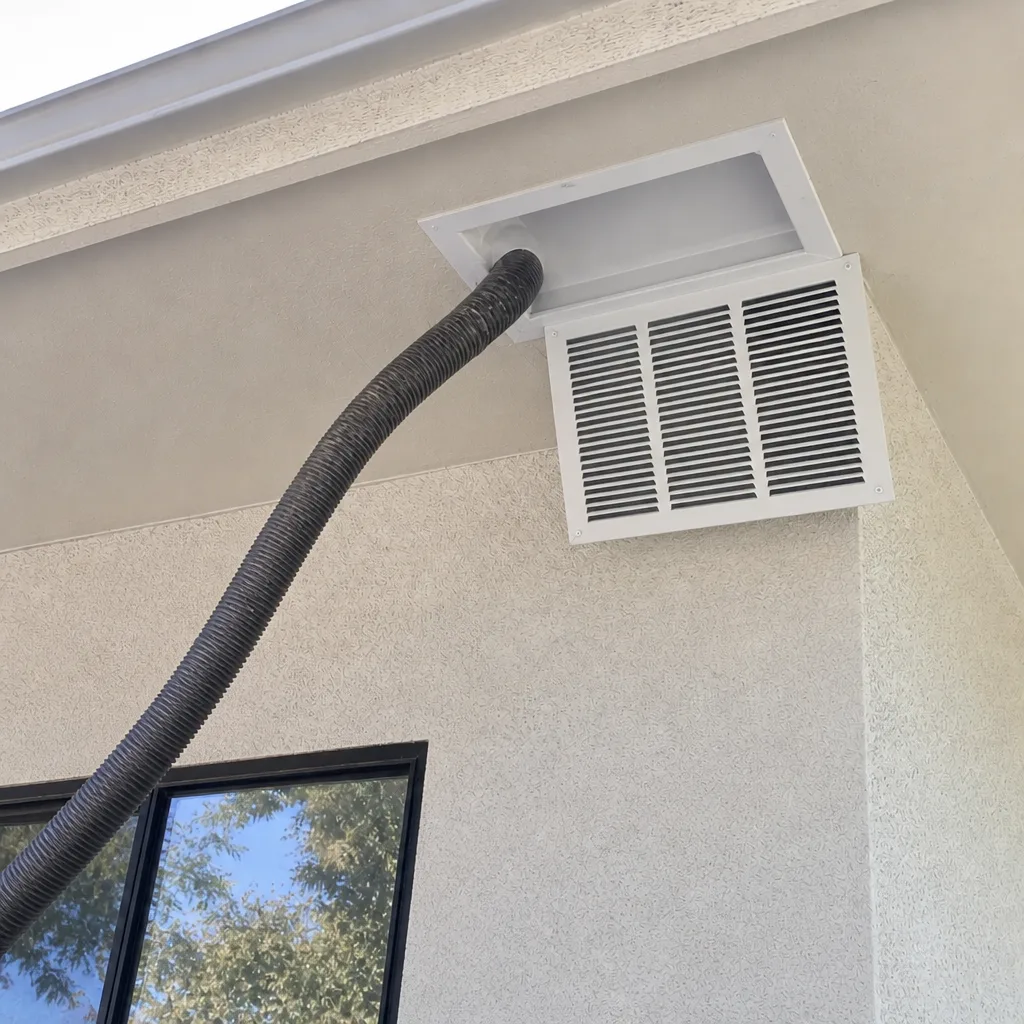
The right call is different for cleaning than it is for modification, and it’s worth getting clear on both. Call a duct cleaning specialist when you notice dust buildup on registers, musty odors when the system kicks on, worsening allergy symptoms indoors, rising HVAC energy use with no obvious cause, or when it’s been a while since the ducts were last serviced. Call a duct cleaning specialist too when the dryer is taking longer to dry a load, because lint accumulation in the dryer vent cleaning pathway is a documented fire risk and one worth getting ahead of. Air Duct Cleaning Turtle Rock offers free estimates in Turtle Rock: call (833) 700-4234.
Call a licensed mechanical contractor with a permit when the scope involves cutting into ductwork, adding a run, reconnecting the air handler, replacing flex with rigid, or resealing the full system. That’s the boundary. If a provider can’t tell you which side of it they’re on, find one who can.
Frequently Asked Questions
No. Air duct cleaning in Turtle Rock doesn’t require a permit from the City of Irvine, because cleaning is maintenance, not a mechanical modification. Sanitizing, filter service, register cleaning, and dryer vent cleaning also don’t require a mechanical permit. If the scope includes cutting, adding, or permanently resealing duct connections, that’s a modification and it typically does require a permit. Call (833) 700-4234 for an exact quote. Estimates are free.
California Mechanical Code Section 603 applies to the installation and alteration of duct systems, and Title 24 applies to duct insulation, sealing, and leakage testing. The mechanical code governs how the work must be done and when a permit is required. Title 24 governs the energy performance standards of the altered system. Cleaning is not covered by either requirement.
The licensed mechanical contractor performing the modification is responsible for pulling the permit from the City of Irvine building department. Turtle Rock is inside Irvine, so Irvine is the jurisdiction of record. A cleaning specialist shouldn’t be pulling a mechanical permit, and if the company offering to do so can’t show a mechanical license, that’s the signal to look elsewhere. Call (833) 700-4234 if you want help sorting a scope. Estimates are free.
Nothing happens automatically. The issue surfaces at a resale, during an insurance claim, or if a neighbor’s complaint brings an inspector to the property. At that point, a prospective buyer or an adjuster can ask for documentation, and the absence of a permit becomes a negotiation or a claim question. Retroactive permitting is possible but adds cost and time. The cleaner path is a permit pulled before the work starts.
Read every line and ask whether it removes something or changes something. Cleaning removes debris from existing duct; that’s no permit. Additions, cuts, reroutes, reconnections, or whole-system sealing change the duct system; those are modifications. Ask the provider to write out each line as either “cleaning” or “modification.” If they can’t, the quote is hiding the boundary. Call (833) 700-4234 for a quote that names each component clearly. Estimates are free.
Duct cleaning itself doesn’t, because maintenance isn’t a material fact. Unpermitted duct modification can be a material fact under California’s transfer disclosure requirements, and a seller who knows about it is generally expected to disclose it. The practical move is to pull the City of Irvine permit history before you list. It tells you exactly what’s on record and what isn’t.
Most homes in Turtle Rock benefit from a duct cleaning every few years, and faster if the household has allergy sufferers, pets, recent remodel dust, or a system that’s been running hard. Dryer vents are worth checking more often, since lint accumulates with every load. There’s no single rule, which is why a walk-through estimate is more useful than a schedule. Call (833) 700-4234. We answer 24/7. Fast dispatch from 7am to 7pm, Sunday through Friday.
The Bottom Line
Cleaning is not modification, and only one of those needs a permit. Cleaning, sanitizing, filter service, and register work are maintenance in Turtle Rock, and they don’t require anything from the City of Irvine. Cutting into duct, adding a run, reconnecting the air handler, or resealing the full system are alterations under California Mechanical Code Section 603, and those need a licensed contractor and a permit. The entire game is knowing which scope you’re buying before work starts. Ask for the quote in writing, sort every line into cleaning or modification, and keep the paperwork. That’s the difference between a clean system and a closed-escrow headache.
If you’d like a written estimate that separates cleaning from modification, and a technician who’ll say plainly which side of the line your job sits on, give us a call. Professional-grade extraction with Rotobrush and Nikro, full-system thinking from the duct to the vent to the filter, and a scope you can read. Air Duct Cleaning Turtle Rock handles ductwork throughout the neighborhood with the same equipment commercial and restoration contractors use. Call (833) 700-4234 for a free estimate. We answer 24/7. Fast dispatch from 7am to 7pm, Sunday through Friday.
Written by the team at Air Duct Cleaning Turtle Rock.